

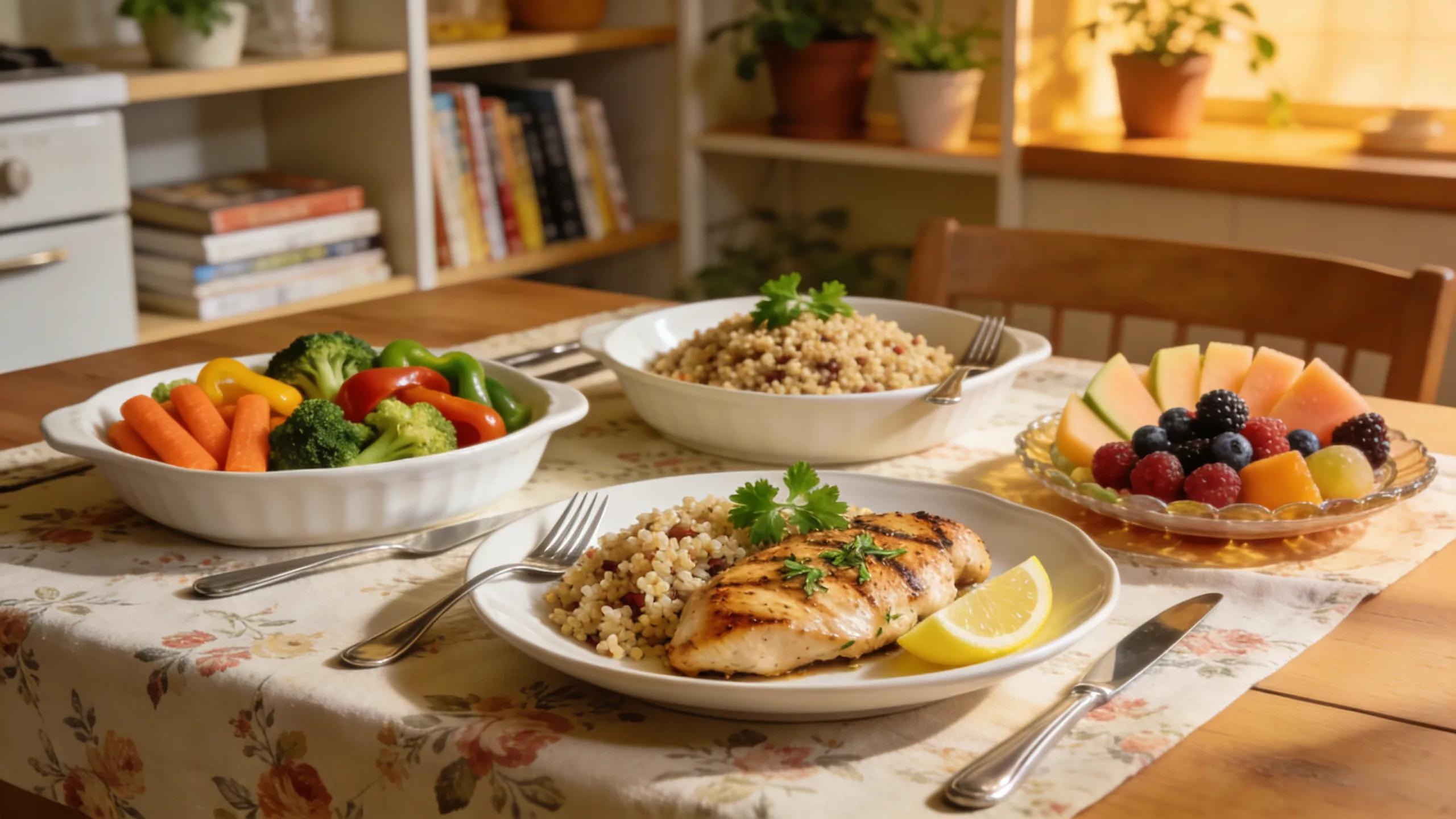
As people age, a balanced diet becomes key to feeling well and staying active. Seniors often face specific nutritional hurdles, so meals should meet needs and still taste great. This article looks at nutritious meal choices, simple recipes, and hydration tips that support health and enjoyment. We focus on the nutrients and flavours seniors tend to prefer and outline practical meal planning for caregivers and nutritionists who want food to be both healthy and appealing.
What Are the Key Nutritional Guidelines for Balanced Senior Meals?
Balanced senior meals should centre on nutrient-dense foods that deliver the calories, vitamins, and minerals older adults need. Adjustments may be required for digestion, heart health, or bone strength. Choosing whole foods with varied flavours helps seniors get essential nutrients while keeping meals enjoyable.
Which Vitamins and Proteins Support Healthy Aging?
Vitamins A, B, C, D, and E each support different aspects of ageing—bone health, energy and brain function among them. Including quality protein from lean meats, fish, legumes, and dairy helps maintain muscle and aid repair. A diet with these nutrients supports vitality and better quality of life.
How to Tailor Low Sodium and High Protein Diets for Seniors?
To keep sodium low and protein high, swap salty seasonings for herbs, spices and citrus. Choose beans, tofu, lean meats and fish to boost protein without excess salt. These swaps help seniors meet dietary goals while enjoying full-flavoured meals.
How Can Easy Healthy Recipes for Elderly Improve Meal Preparation?
Simple, healthy recipes cut prep time and reduce stress for caregivers and seniors. Using pre-chopped veg and quick-cooking grains makes balanced meals quicker to assemble. These approaches also support seniors who want to stay involved in cooking.
What Are Quick and Flavorful Meal Ideas for Seniors?

There are numerous quick and flavorful meal ideas that cater to seniors’ tastes and nutritional needs:
- Veggie Omelet: Packed with colorful vegetables and served with whole-grain toast, this dish offers a nutritious start to the day.
- Quinoa Salad: A refreshing salad made with quinoa, diced vegetables, and olive oil delivers a protein boost along with essential nutrients.
- Baked Salmon: This simple dish is rich in omega-3 fatty acids and pairs well with steamed broccoli or a side of brown rice for a wholesome meal.
Quick recipes like these save time and give seniors tasty, nutrient-rich choices they can look forward to.
Which Cooking Methods Enhance Flavor While Preserving Nutrients?
Cooking methods affect flavour and nutrient levels. Steaming, grilling and baking often keep more vitamins and add good taste—steamed veg keeps more nutrients than boiling, for example, and grilling adds flavour without extra fat. Using these methods helps seniors enjoy meals that are both tasty and nourishing.
Why Is Hydration Important for Senior Health and Taste Perception?
Hydration directly affects health and how food tastes. Older adults often feel less thirsty, which raises dehydration risk and can harm wellbeing. Encouraging regular fluid intake helps keep seniors healthy and improves their enjoyment of food.
What Are Simple Ways to Encourage Water Intake Among Seniors?

To promote hydration, try a few practical tactics:
- Flavored Water: Infuse water with fruit or herbs for a mild, appealing taste.
- Regular Reminders: Set times to drink so fluids are consumed throughout the day.
- Variety of Fluids: Offer herbal teas or broths as alternatives to plain water.
These simple steps make drinking easier and can boost both health and meal enjoyment.
How Does Hydration Affect Taste Bud Sensitivity in Older Adults?
Proper hydration helps maintain taste sensitivity, which often declines with age. Dehydration can dull flavours, so keeping fluids up can make meals taste better and support a healthier appetite.
How Do Cultural Taste Preferences Influence Senior Nutrition Plans?
Cultural tastes shape food choices and meal satisfaction. Designing menus that include traditional ingredients and familiar flavours helps seniors enjoy eating and stay connected to their food heritage.
What Are Popular Flavor Profiles Among Diverse Senior Populations?
Different cultures offer flavour profiles you can use when planning meals for seniors:
- Mediterranean: Dishes featuring olive oil, garlic, and fresh herbs are widely enjoyed.
- Asian: Flavors such as ginger, soy, and sesame are commonly favored.
- Latin American: Spicy elements like cilantro, lime, and adobo can enhance flavor.
Incorporating these familiar tastes helps honour tradition while supporting good nutrition.
How Can Caregivers Customize Meals to Honor Senior Food Traditions?
Caregivers can include traditional recipes and cooking techniques to make meals feel familiar. Using customary spices and methods bridges nutrition with nostalgia and can improve appetite and satisfaction.
What Role Do Caregivers and Nutritionists Play in Planning Senior-Friendly Diets?
Caregivers and nutritionists work together to create meal plans that meet health needs and personal tastes. Their collaboration balances dietary limits with pleasing flavours to improve the dining experience.
How Can Caregivers Prepare Meals That Are Both Nutritious and Tasty?
To balance health and flavour, caregivers can try these approaches:
- Incorporate Fresh Herbs and Spices: These can enhance flavors without adding excessive sodium or unhealthy fats.
- Focus on Presentation: A well-presented meal can heighten the eating experience, making it more enjoyable for seniors.
- Adapt Texture: Depending on a senior’s chewing ability, varying textures (soft, crunchy) can improve meal appeal.
Applying these simple tactics helps make mealtimes more enjoyable and nutritious for seniors.
Why Is Professional Nutritional Guidance Essential for Senior Meal Planning?
Nutritionists provide tailored advice that considers medical conditions like diabetes or hypertension. Professional guidance helps ensure meal plans meet health goals while staying aligned with food preferences.
What Are the Best Practices to Enhance Flavor in Nutritious Senior Meals?
Boosting flavour in healthy meals makes them more satisfying. Focus on fresh ingredients, smart seasoning and balanced textures to lift taste without compromising nutrition. Best practices for enhancing flavor include choosing vibrant produce and seasoning thoughtfully.
Which Herbs and Spices Are Safe and Effective for Senior Palates?
herbs and spices can add flavour and health benefits. Safe, useful choices are:
- Basil: A fresh herb that complements many dishes, offering a sweet aroma.
- Turmeric: Known for its anti-inflammatory properties, it adds a warm, earthy flavor.
- Cinnamon: Often used in sweet dishes, it can enhance flavor without added sugar.
These seasonings enrich meals and can support nutrition when used appropriately.
How Can Texture and Presentation Improve Seniors’ Meal Enjoyment?
Texture and presentation matter. Offering varied textures and colourful plating can stimulate appetite and make meals more appealing. Simple plating and fresh garnishes can lift the overall experience.
Many older adults face challenges with nutritional status that can affect their overall health and sensory perception.
Nutritional Status and Chemosensory Perception in Older Adults
Many older adults show suboptimal nutritional status.
Nutrition and chemosensory perception in the elderly, C Murphy, 1993
Frequently Asked Questions
1. How can I ensure my senior loved one is getting enough protein in their diet?
Include protein at every meal and snack. Use lean meats, fish, eggs, dairy, beans, and plant proteins like quinoa or nuts. Try dishes such as omelets, yogurt parfaits or bean soups, and consult a nutritionist for personalised targets.
2. Are there specific cooking tips to retain nutrients when preparing senior meals?
Yes. Prefer steaming, baking or blanching over long boiling, use minimal water and cook until just tender. Add raw fruits or salads when appropriate and avoid overcooking to keep nutrients and texture.
3. What seafood options are beneficial for seniors and why?
Fatty fish like salmon, mackerel and sardines are rich in omega-3s, which support heart and brain health. Shellfish such as shrimp and scallops provide lean protein and minerals. Include seafood regularly and cook it fully for safety.
4. How can I adapt meals for seniors with swallowing difficulties?
Modify textures by mashing or pureeing foods and use thickeners for soups and sauces. Work with a healthcare provider or speech therapist for safe, tailored recommendations that keep meals nutritious and enjoyable.
5. What are some hydration tips specifically for seniors who dislike drinking plain water?
Offer infused water with fruit or herbs, herbal teas, or diluted juice. Include high-water foods like cucumbers, watermelon and soups. Using colourful cups can also make drinking more appealing.
6. How can I incorporate more fruits and vegetables into my senior’s diet?
Add fruits and veg to every meal: smoothies for breakfast, chopped veg in omelets or pasta, and small fruit portions for snacks. Getting seniors involved in prep can increase their interest in eating these foods.
7. What advice do you have for making meals visually appealing for seniors?
Use colourful ingredients, attractive plates and simple garnishes like fresh herbs. Vary textures and shapes to create interest. A pleasing presentation can boost appetite and dining satisfaction.
Conclusion
Meal planning for seniors should blend nutrition with pleasure so dietary needs are met without sacrificing taste. Easy, nutritious recipes foster independence and better meal satisfaction. By respecting preferences and traditions, caregivers can create mealtimes that support health and enjoyment. Discover our collection of senior-friendly recipes and resources to transform your loved one’s dining experience today.
