Personal care and assistance services are designed to support individuals with daily activities, ensuring they maintain their independence and quality of life. These services may include help with bathing, grooming, dressing, and mobility, tailored to meet the specific needs of each client.
For example, caregivers can assist with personal hygiene routines and provide companionship during these activities, fostering a comfortable environment. This personalized approach not only aids in physical tasks but also enhances emotional well-being, making clients feel valued and cared for.
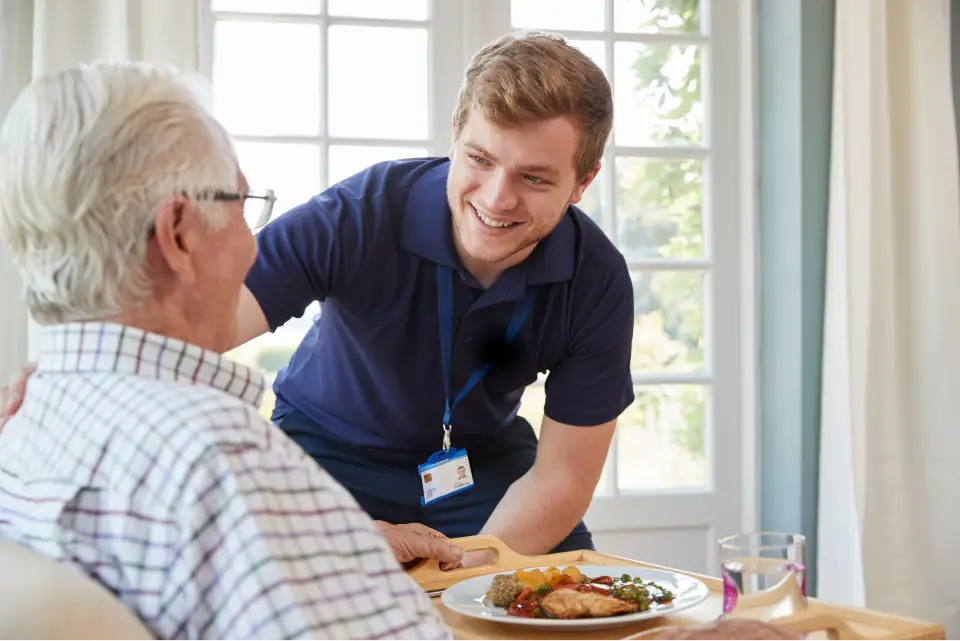
Meal preparation and diet planning are essential services that focus on providing nutritious meals tailored to the dietary needs of clients. This service ensures that individuals receive balanced nutrition, which is crucial for their overall health and well-being.
Caregivers can assist in planning weekly menus, preparing meals, and accommodating any dietary restrictions, such as low-sodium or diabetic-friendly options. This not only promotes healthier eating habits but also allows clients to enjoy their meals, contributing to a more fulfilling daily routine.
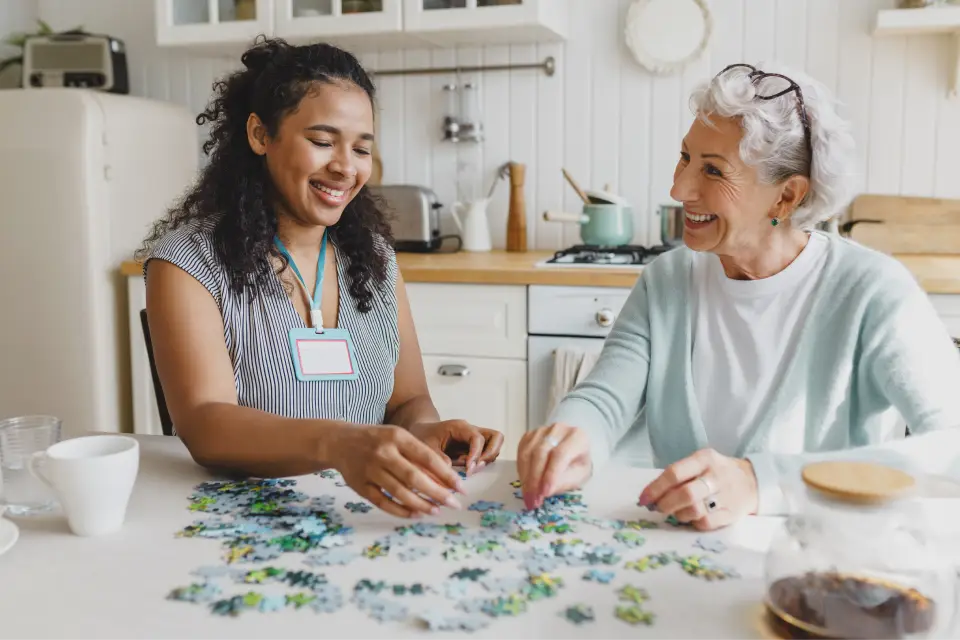
Companionship and recreation services are vital for enhancing the emotional and social well-being of clients. These services provide companionship through engaging activities, helping to reduce feelings of loneliness and isolation often experienced by the elderly.
Activities might include playing games, going for walks, or engaging in hobbies that clients enjoy. By fostering social interaction, caregivers can help clients maintain cognitive function and emotional health, making their daily lives more enjoyable and meaningful.
Transportation and errands support services are designed to assist clients in maintaining their independence by providing reliable transportation for essential activities. This service is particularly beneficial for those who may have mobility challenges or do not drive.
Caregivers can help clients attend medical appointments, grocery shopping, or social outings, ensuring they remain connected to their community. This not only facilitates access to necessary resources but also encourages clients to engage with family and friends, enhancing their overall quality of life.