

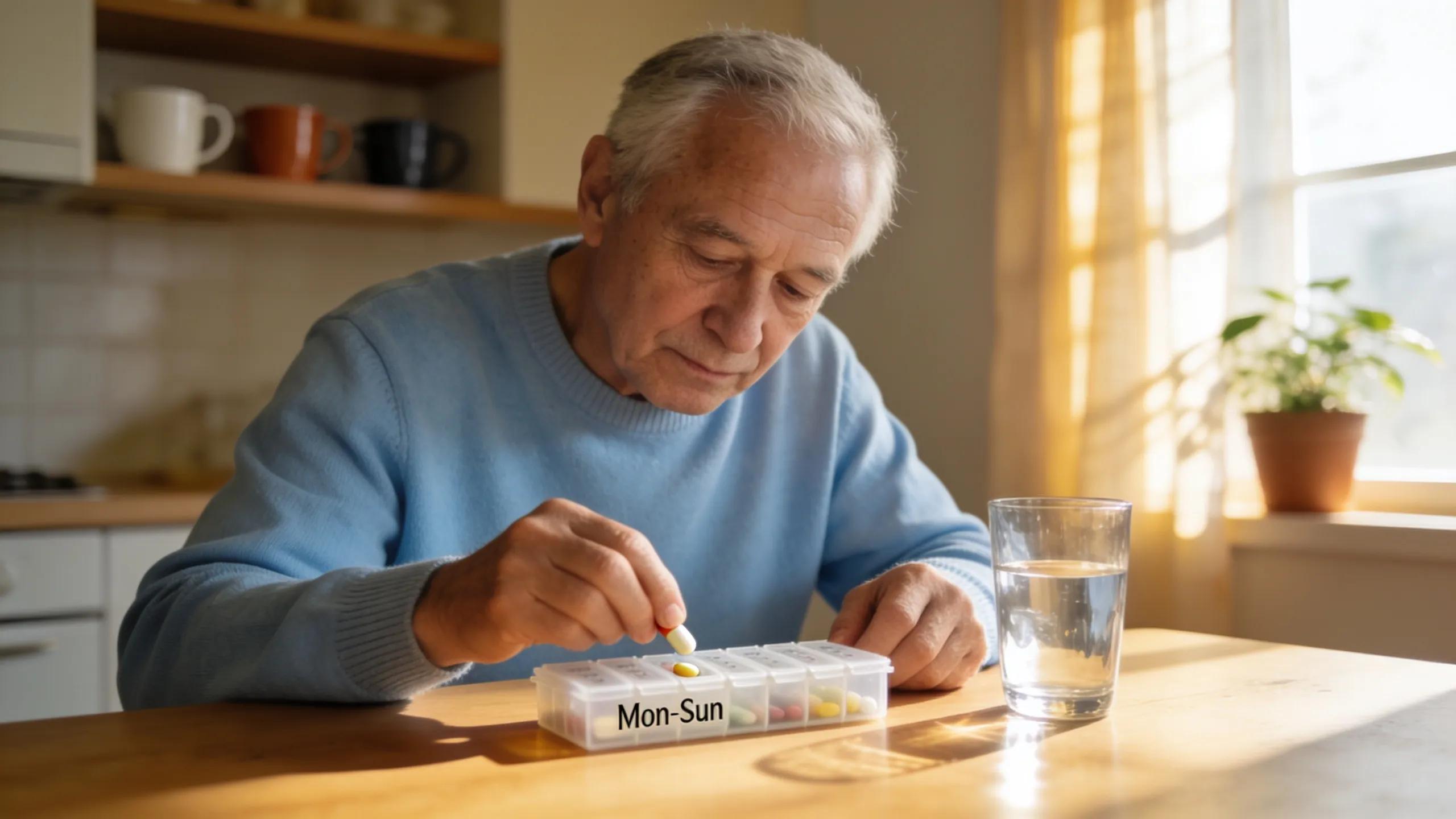
Managing medications well is essential for seniors to stay healthy. Age can bring memory lapses, complex regimens, and side effects that make adherence harder. This article outlines practical strategies, technology options, and personalised care plans that improve adherence and outcomes. Caregivers and seniors will find actionable steps to make medication routines easier. The sections that follow cover proven approaches, the value of medication synchronization, and the benefits of home health care services.
Effective Medication Adherence Strategies for Seniors
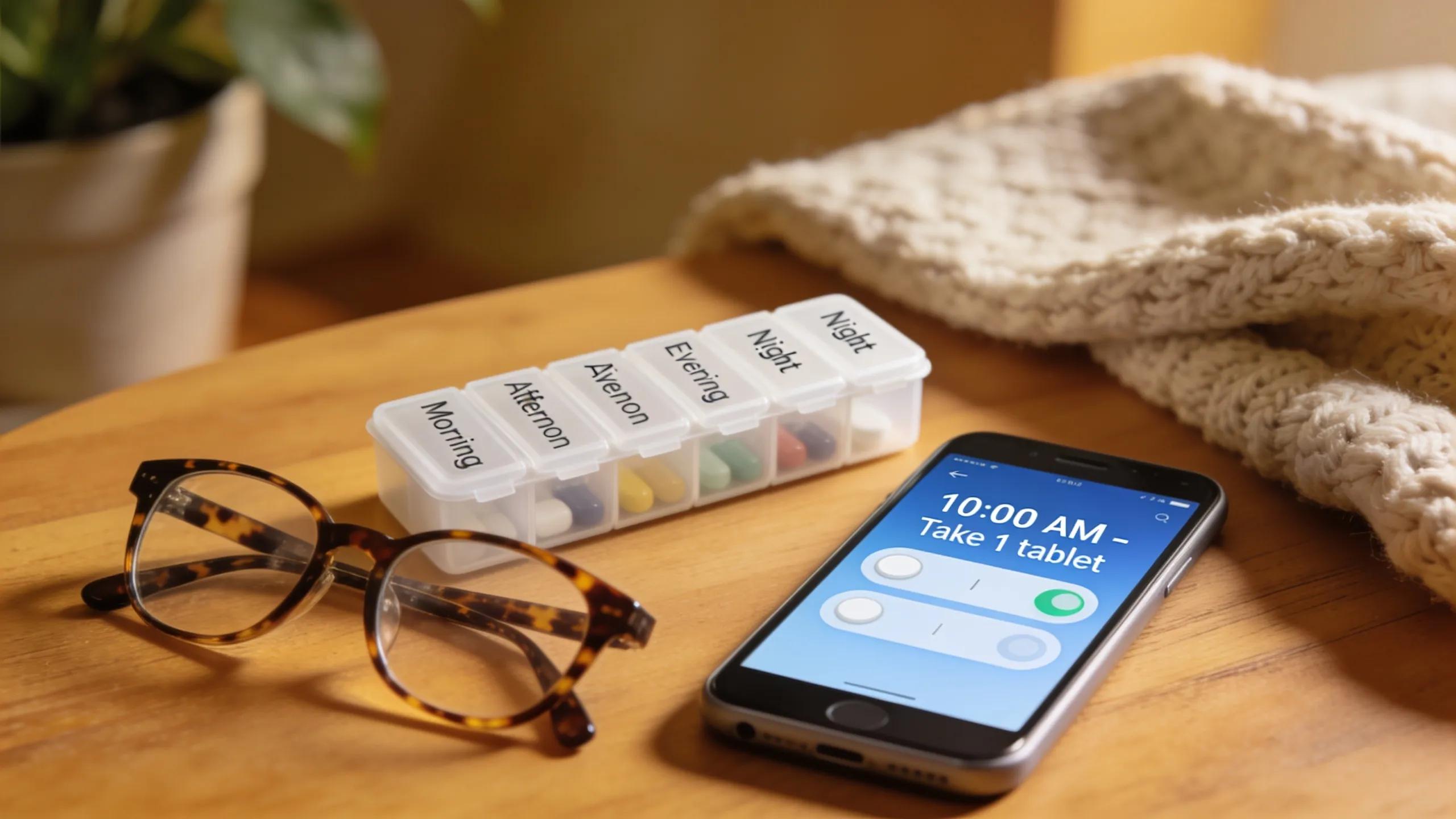
Simple, practical methods improve organisation, reminders, and support so seniors can manage medications more independently.
-
Medication Reminders: Utilizing tools such as alarms, smartphone apps, or pill organizers can help seniors remember their medication schedules. These reminders provide timely notifications and enhance punctuality in taking medications.
-
Educational Outreach: Providing education about the importance of adherence can improve understanding and motivate seniors to stick to their prescribed regimens. This can include workshops or one-on-one sessions with healthcare professionals.
-
Family Involvement: Engaging family members in the medication management process can benefit seniors significantly. Families can provide support through reminders and by organizing medications, which fosters a collaborative approach to healthcare.
Information Hub also offers targeted home health care services that support these tactics and help seniors stay on track with their medications.
How Do Medication Reminders Improve Senior Compliance?
Reminders—via apps, texts, or simple alarms—give timely prompts that reduce missed doses and help seniors follow complex regimens.
Research shows reminders often raise adherence rates, which helps control chronic conditions and can lower hospital visits. Built into a daily routine, reminders also boost confidence and independence for seniors.
Smart Medication Adherence Systems for Seniors
Figure 2 illustrates the key benefits of the smart and systematic medication reminder system, emphasizing synchronization reliability to support medication adherence among older adults and chronically ill patients.Smart and Systematic Medication Reminder System Design Using IoT Enabled Logical Sensors, 2025
Why Is Medication Synchronization Important in Senior Care?
Medication synchronization aligns refill dates so multiple prescriptions are renewed together, reducing confusion and simplifying routines.
The benefits of synchronization include:
-
Reduction of Missed Doses: By ensuring that all medications are scheduled for the same date, seniors are less likely to forget to take or refill them.
-
Family Peace of Mind: Family members can feel more secure knowing their loved one’s medications are organized effectively, thus promoting their health and safety.
Synchronization also streamlines communication between patients and providers, making it easier to update or change medications when needed.
How Does Home Health Medication Management Support Seniors’ Health?
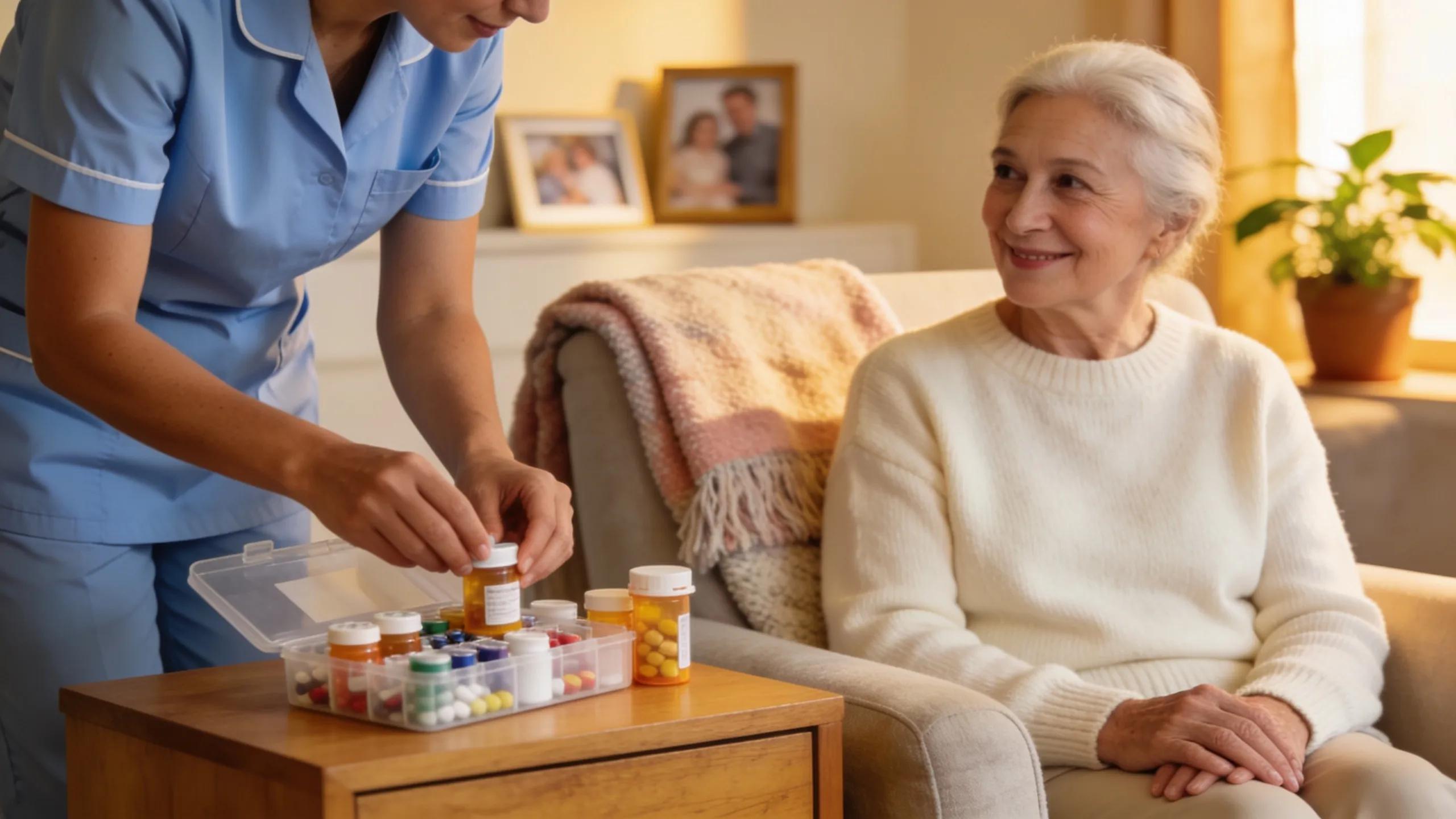
Home health medication management adds personalised oversight—organising doses, monitoring adherence, and adjusting plans to fit each senior’s needs.
Key benefits include:
-
Consistency in Medication Adherence: Trained caregivers ensure that seniors take their medications correctly and on time.
-
Independence for Seniors: Seniors can manage their health in the comfort of their own homes, fostering a sense of autonomy.
-
Family Reassurance: Families can feel at ease knowing that their loved ones are supported and monitored in their health journeys.
Organisations like Information Hub train caregivers to improve adherence and meet seniors’ unique needs, offering services such as medication management and tailored support.
What Are Personalized Care Plans in Medication Management?
Personalised care plans are tailored approaches that match a senior’s medications, conditions, and preferences to create a clear, safe regimen.
Components of a personalized care plan may include:
-
Detailed Medication Review: Assessing current medications to identify potential interactions or duplications.
-
Patient Evaluation: Understanding the patient’s cognitive and physical capabilities to customize the regimen accordingly.
-
Ongoing Monitoring: Regular follow-ups to reassess the effectiveness of the medication plan and make necessary adjustments.
When care plans are personalised, seniors are more likely to follow them, which improves health outcomes over time.
IoT-Enabled Personalized Medication Management for the Elderly
We will analyse IoT applications that support personalised regimens, adherence tracking, and intelligent drug delivery to improve elderly care.MediServe: An IoT-Enhanced Deep Learning Framework for Personalized Medication Management for Elderly Care., S Kapse, 2025
How Do Related Support Services Enhance Medication Compliance?
Related support services layer extra help around seniors and caregivers—offering training, community programmes, and resources that make adherence easier.
Key components of related support services include:
-
Community Resources: Access to local community programs can offer valuable information and support networks for seniors.
-
Caregiver Training: Educating caregivers on medication management techniques ensures they can effectively support their loved ones.
-
Access to Educational Resources: Providing seniors with literature or online resources about their medications fosters informed decision-making.
Combining these services creates holistic support that encourages adherence and wellbeing. For example, meal preparation and diet planning can complement medication routines by supporting nutrition and timing.
Artificial Intelligence for Tailored Geriatric Care and Enhanced Health Outcomes
Healthcare systems face major challenges from an ageing population and need efficient, personalised solutions to remain sustainable. This study highlights the role of tailored recommendations and targeted interventions to help older adults navigate complex care.
AI-Driven decision-making for personalized elderly care: a fuzzy MCDM-based framework for enhancing treatment recommendations, A Aljohani, 2025
Which Techniques Monitor and Manage Medication Side Effects for Seniors?
Monitoring side effects helps catch problems early and lets clinicians adjust treatment before issues worsen.
-
Observation Techniques: Caregivers can monitor their loved ones for any unusual changes in behavior or health that may indicate side effects.
-
Reporting Mechanisms: Establishing a communication channel where seniors can report side effects can facilitate timely adjustments to their medications.
-
Role of Caregivers: Caregivers play a vital role in observing and advocating for seniors, ensuring that any side effects are communicated to healthcare professionals.
Using observation, clear reporting, and caregiver advocacy helps seniors tolerate medications better and improves overall satisfaction with treatment.
How Can Side Effect Monitoring Reduce Hospitalization Risk?
Spotting side effects early prevents escalation and lowers the chance of emergency care or hospital stays.
The benefits of proactive side effect monitoring include:
-
Early Detection: Identifying potential problems allows for quicker interventions, which can prevent more serious health complications.
-
Enhanced Communication: Regular updates between caregivers and healthcare providers ensure that everyone is informed about the patient’s condition.
-
Improved Patient Outcomes: Fewer medical emergencies result in a lower incidence of hospitalizations.
With regular monitoring and timely communication, seniors are safer on their medications and more likely to stay healthy at home.
What Role Do Caregivers Play in Medication Risk Management?
Caregivers are central to reducing medication risks. Their daily oversight, reminders, and reporting make treatments safer and more reliable.
Responsibilities of caregivers in medication risk management include:
-
Monitoring and Reporting: Observing for side effects and communicating any concerns to healthcare providers.
-
Support for Adherence Efforts: Acting as reminders and organizers to help seniors take their medications appropriately.
-
Fostering Independence: Empowering seniors to participate in their health management while offering assistance when necessary.
When caregivers work with trained agencies like GHHCA, they gain skills and access to services that reduce risks and support senior health.
What Technology Solutions Aid Senior Medication Management?
Technology offers practical tools—apps, smart dispensers, and telehealth—that simplify routines and improve adherence.
Popular technology solutions include:
-
Medication Management Apps: These can send reminders and track medication intake.
-
Digital Pillboxes: Smart pill organizers that alert users when it’s time to take their medication.
-
Telehealth Services: Allowing seniors to consult with healthcare professionals remotely for advice and medication management.
Used well, these tools reduce missed doses and give seniors and caregivers clearer medication records and easier access to care.
How Can Patient and Caregiver Education Improve Medication Compliance?
Education gives seniors and caregivers the knowledge to follow regimens safely and confidently.
Key components of education include:
-
Understanding Medication Importance: Patients must recognize how their medications help manage their conditions.
-
Effective Organization Techniques: Teaching seniors how to organize their medications can improve adherence rates.
-
Reinforcement Strategies: Regular check-ins and reviews can help reinforce the correct practices related to medication management.
Clear, repeated education empowers seniors to manage medicines correctly, which improves outcomes and independence.
What Are Measurable Benefits of Improved Senior Medication Adherence?
Better adherence delivers measurable gains in health, fewer emergencies, and a higher quality of life for seniors.
Key benefits of improved adherence include:
-
Reduction in Hospitalizations: Adherence to medication regimens can help prevent complications that lead to emergency care.
-
Improvement in Quality of Life: Consistent medication use supports better management of chronic conditions, resulting in enhanced overall well-being.
-
Increased Independence: Effective medication management allows seniors to maintain their autonomy while managing their health effectively.
Overall, improving medication adherence through clear strategies, technology, and caregiver support leads to safer, more independent living for seniors.
Frequently Asked Questions
How do I know if my senior loved one is struggling with medication adherence?
Look for missed doses, confusion about schedules, or health changes. Noticeable forgetfulness or withdrawal can also signal trouble. Talk with them regularly and, if needed, ask a healthcare professional to assess their medication routine.
Can medication management software help seniors with their prescriptions?
Yes. Software can track schedules, send reminders, and flag possible side effects. Many apps also show refill dates and appointment alerts, which help seniors and caregivers stay organised and on schedule.
What should caregivers do if a senior experiences side effects from medication?
Record the symptoms and how often they occur, then contact the senior’s healthcare provider promptly. The provider may change the dose or medication. Keep monitoring the senior and follow any new instructions closely.
What is the role of a pharmacist in senior medication management?
Pharmacists review medications, advise on interactions, and teach proper use. They can suggest alternatives and work with providers to optimise therapy, helping seniors take medicines safely.
Are there specific community resources available for seniors regarding medication management?
Yes. Many communities offer workshops, support groups, and synchronisation services through local health departments or home health agencies. Caregivers should explore local programmes to find practical help and education.
How can technology be integrated into medication management for seniors?
Introduce tools gradually: start with reminder apps or a simple electronic dispenser, then add telehealth visits as needed. Choose solutions that match the senior’s comfort with devices and routines to improve uptake.
What benefits can seniors expect from improved medication adherence?
Seniors who stick to their regimens often see fewer hospital visits, better control of chronic conditions, and greater independence. Consistent medication use also helps maintain daily function and quality of life.
Conclusion
Effective medication management—built on clear strategies, the right technology, and personalised support—helps seniors stay healthier and more independent. Use available services and resources to create a reliable routine for you or your loved one and improve overall wellbeing.
