


Managing medications for senior loved ones is vital to their health and independence. As people age, medicine schedules often get more complex, increasing the risk of errors and missed doses. This article lists ten practical tips for handling medications at home. Youan expect clear strategies for organisation, reminders, and routines that support safety and promote autonomy. Use these steps to make medication management simpler and improve quality of life for seniors. The sections below cover reminders, organisation methods, and involving family in care.
Medication Reminders
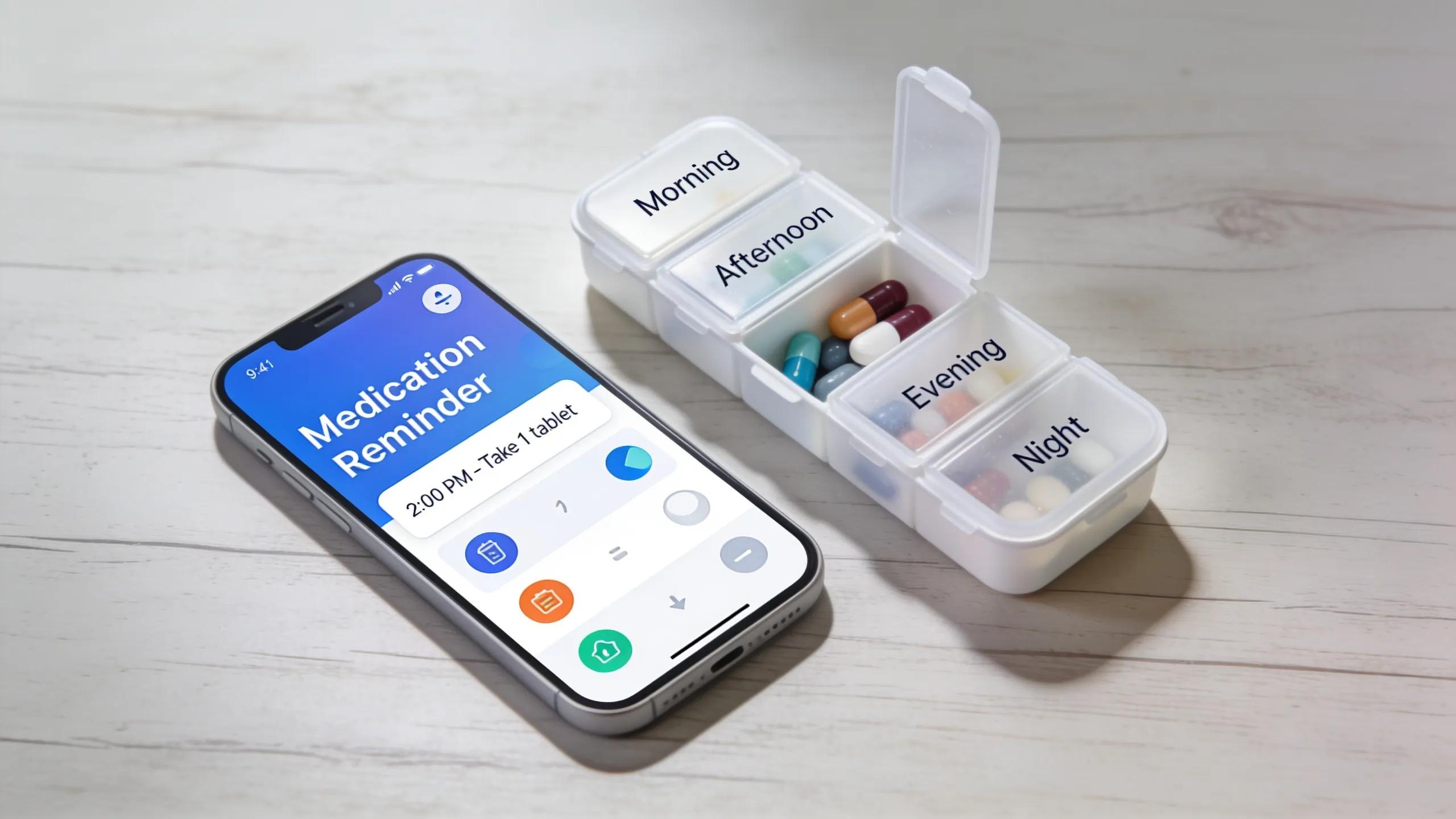
Setting reminders reduces missed doses and supports steady medication use. You can use phone alarms, apps, or simple timers to prompt medications at the right times. Studies show regular reminders help with memory lapses that cause missed doses. Family members can reinforce schedules by checking in and offering encouragement. That teamwork builds a reliable support system and helps seniors stick to their prescriptions.
Organize Medications
Clear organisation cuts errors and confusion. Use pill organisers to sort daily doses so seniors can access the right pills easily. Digital tools and automated dispensers can track schedules and release correct doses when needed. Together, these methods create a dependable routine for medication administration, improving safety and efficiency. For comprehensive support in this area, consider exploring medication management services.
What Tools and Techniques Help Simplify Medication Scheduling?
Simple tools make scheduling easier. Pill organisers with day and time compartments prevent double-dosing. Alarms or smartphone reminders cue the correct times. Family members can check organisers weekly to confirm doses were taken. Combining these tools creates a predictable, low-friction routine.
Establish Routines
Daily routines help medications become part of normal life. Tie doses to regular activities like meals or bedtime to build consistency. Tailor routines to the seniornd their habits so taking medications feels natural rather than burdensome. Personalized routines lower the chance of missed doses.
Monitor for Compliance
Regular monitoring shows whether a medication plan is working. Keep a simple log of when medicines are taken or missed to spot patterns. Use that information to adjust support or talk to a clinician. Periodic medication reviews with healthcare professionals ensure each drug still fits the seniornd their health goals.
Refill Reminders
Refill reminders prevent gaps in treatment. Use calendars or apps that alert you when prescriptions need renewing. Keep an organised medication cabinet and inventory so you know whatnd how much you have on hand. That reduces last-minute stress and keeps therapy uninterrupted.
Promote Independence

Supporting independence preserves dignity. Teach seniors to use pillboxes and set their own reminders when they can. Explain each medicationnd common side effects so they feel informed and confident. Encourage self-management while staying available to help when needed.
Educate on Medications
Clear education reduces anxiety and builds adherence. Explain each drugy purpose, dose, and possible side effects in simple terms. Invite questions and review instructions during routine health visits so seniors understand why each medication matters.
Create a Safe Environment
A safe setup lowers the risk of mistakes. Store medicines in a labelled, organised spot that senior can reach easily, and check expiration dates regularly. Remove unused drugs and use visible reminders like a whiteboard or medication chart to track doses and schedules.
Involve Family Members
Family involvement creates a stronger support network. Relatives can help organise medications, track doses, and offer reminders. Keep communication open so everyone knows the current schedule and any changes. A coordinated approach improves accountability and the seniorare experience.
The Pivotal Role of Family Caregivers in Older Adult Medication Adherence
Family caregivers for older adults play a critical role in facilitating medication adherence, particularly within Asian countries. Numerous determinants of medication adherence identify family support, including caregivers, as a key factor. While the relationship between family support and adherence may not always be statistically significant, understanding the influence of family caregivers on medication adherence is crucial, especially in the context of improving adherence rates in Asian populations. The role of family caregivers in medication adherence of elderly in Asian setting: a scoping review, 2023
Regular Check-Ins
Short, regular check-ins keep medication plans on track. Ask how the schedule is working, note any side effects, and address new concerns. Ongoing conversations help adjust care as needs change and strengthen trust between caregiver and senior.
What Are the Biggest Medication Adherence Challenges for Seniors at Home?
Seniors often face memory issues, complex regimens, side effects, and physical limitations that make taking medicines harder. These factors can cause missed or incorrect doses. Targeted strategies and steady support are needed to help seniors maintain health and independence.
Why Do Seniors Often Miss or Mistake Their Medications?
Misses and mistakes commonly stem from cognitive decline, unclear instructions, or physical challenges like opening bottles. Poor lighting or cluttered spaces can worsen errors. Better organisation and consistent routines reduce these risks.
How Can Caregivers Help Improve Medication Compliance?
Caregivers improve compliance by simplifying instructions, setting reminders, and organising doses. Regular, open conversations about how medicines affect the senior build trust and let caregivers resolve concerns quickly. That hands-on support boosts adherence and wellbeing.
How Can You Organize Medications Effectively for Senior Loved Ones?
Choose organisation methods that match the seniorapabilities and make medicines easy to find and identify. Label containers clearly and keep a simple inventory. For extra support, consider home health aide services that focus on medication compliance.
What Tools and Techniques Help Simplify Medication Scheduling?
Helpful tools include day-and-time pillboxes, automatic dispensers that release doses at set times, and mobile apps that send reminders and log intake. These options reduce manual tasks and lower the chance of missed doses.
How Should You Store Medications Safely at Home?
Store medicines in a cool, dry place away from sunlight to preserve effectiveness. Use locks for sensitive medicines when needed and conduct regular inventory checks to remove expired or unused items. That keeps the home safe and orderly.
What Are Common Medication Errors in Seniors and How to Prevent Them?
Common errors include wrong doses, missed doses, and taking medicines at the wrong times. These mistakes can cause poor treatment outcomes, so preventive steps are essential.
What Risks Are Associated with Incorrect Dosing or Timing?
Incorrect dosing or timing can lead to side effects, reduced treatment benefit, or toxicity. Too much medication can be harmful; missed doses can render treatment ineffective. Clear routines and monitoring help prevent these problems.
What Strategies Reduce Medication Mistakes in Home Settings?
Use single-dose packaging, clear labels, and reminder systems like alarms or notifications to lower mistakes. Regular check-ins let caregivers catch confusion early and correct issues before they cause harm.
How Can Technology and Reminders Improve Medication Adherence for Seniors?
Technology offers practical support for adherence. Devices and apps provide timely prompts, track intake, and alert caregivers when doses are missed. Reliable services, such as home care support, can further assist seniors in staying on schedule.
What Types of Medication Reminder Devices Are Suitable for Elderly?
Options range from simple alarm clocks to smartphone apps with custom alerts. Smart pill dispensers automate dosing and can notify caregivers if a dose is missed. Choose the level of tech that matches the senioromfort and needs.
How Do Automated Reminders and Alerts Support Caregivers?
Automated alerts reduce the need for constant oversight by sending reminders to both seniors and caregivers. They improve communication, flag missed doses, and let caregivers step in only when needed—making care more efficient and reliable.
What Should You Know About Medication Interactions and Nutrition for Seniors?
Diet can change how medications work. Certain foods affect absorption or increase side effect risk, so awareness and clinician guidance matter. Coordinate meals and meds to avoid unintended interactions.
How Can Food Affect the Effectiveness of Medications?
Some foods can block or boost drug absorption—grapefruit, for example, interacts with many medicines and can raise side effect risk. Discuss foodnd drug interactions with healthcare providers and use proper meal preparation and diet planning to manage these issues.
Which Nutritional Tips Help Avoid Negative Medication Side Effects?
A balanced diet, good hydration, and enough fibre support digestion and stable drug absorption. Track any changes in how medications affect the senior when diet changes occur, and raise concerns with a clinician if needed.
When Should You Recognize Side Effects and Seek Medical Help?
Spotting side effects early protects health. Caregivers and seniors should watch for new or worsening symptoms and act promptly when they appear.
What Are the Warning Signs of Medication Side Effects in Seniors?
Watch for unusual fatigue, new pain, appetite changes, altered mood, or other sudden shifts in health. These can signal adverse reactions that need review.
How Should Caregivers Respond When Side Effects Are Suspected?
If side effects are suspected, contact the healthcare provider right away. Quick reporting lets clinicians adjust treatment and keeps the senior safe. Regular appointments also help track medication effects over time.
Frequently Asked Questions
How can caregivers track medication adherence effectively?
Keep a simple medication log that records taken and missed doses to reveal patterns. Use tracking apps for automated records and reminders. Regular conversations with the senior help address problems and keep routines working.
What is the role of pharmacists in senior medication management?
Pharmacists review medication lists, check for interactions, and advise on safe use and storage. They can suggest alternatives and counsel seniors on proper dosing. Working with pharmacists improves safety and treatment outcomes.
What types of healthcare professionals should get involved in medication management for seniors?
Primary care physicians, pharmacists, and geriatric specialists should collaborate on medication plans. Nutritionists can advise on diet-related drug interactions. A coordinated team ensures safer, more effective care.
What are the signs of medication misuse among seniors?
Signs include mood or behaviour changes, unexplained complaints, more missed doses, or confusion about medication purpose. Monitor closely and consult a healthcare professional if misuse is suspected.
How can technology improve communication between caregivers and seniors regarding medications?
Shared calendars, messaging apps, and medication management tools let caregivers and seniors coordinate reminders and report side effects. Telehealth and video calls support regular check-ins with clinicians and strengthen communication.
What strategies can caregivers use to educate seniors about their medications?
Explain one medication at a time, use visual aids like charts or colour-coded pillboxes, and encourage questions. Involving family members reinforces learning and shared responsibility for adherence.
Why is it important to regularly review medications for seniors?
Regular reviews ensure medications remain effective and safe as health changes. Reviews identify unnecessary drugs, interactions, or side effects and confirm treatments match current health goals. Periodic assessment supports better outcomes and quality of life.
Conclusion
Organised systems, clear reminders, and family involvement make medication management safer and more manageable for seniors. These practical steps support adherence, protect health, and preserve independence. Start applying these tips to see measurable improvements in medication routines and overall wellbeing, and explore available resources to support your caregiving role.
