

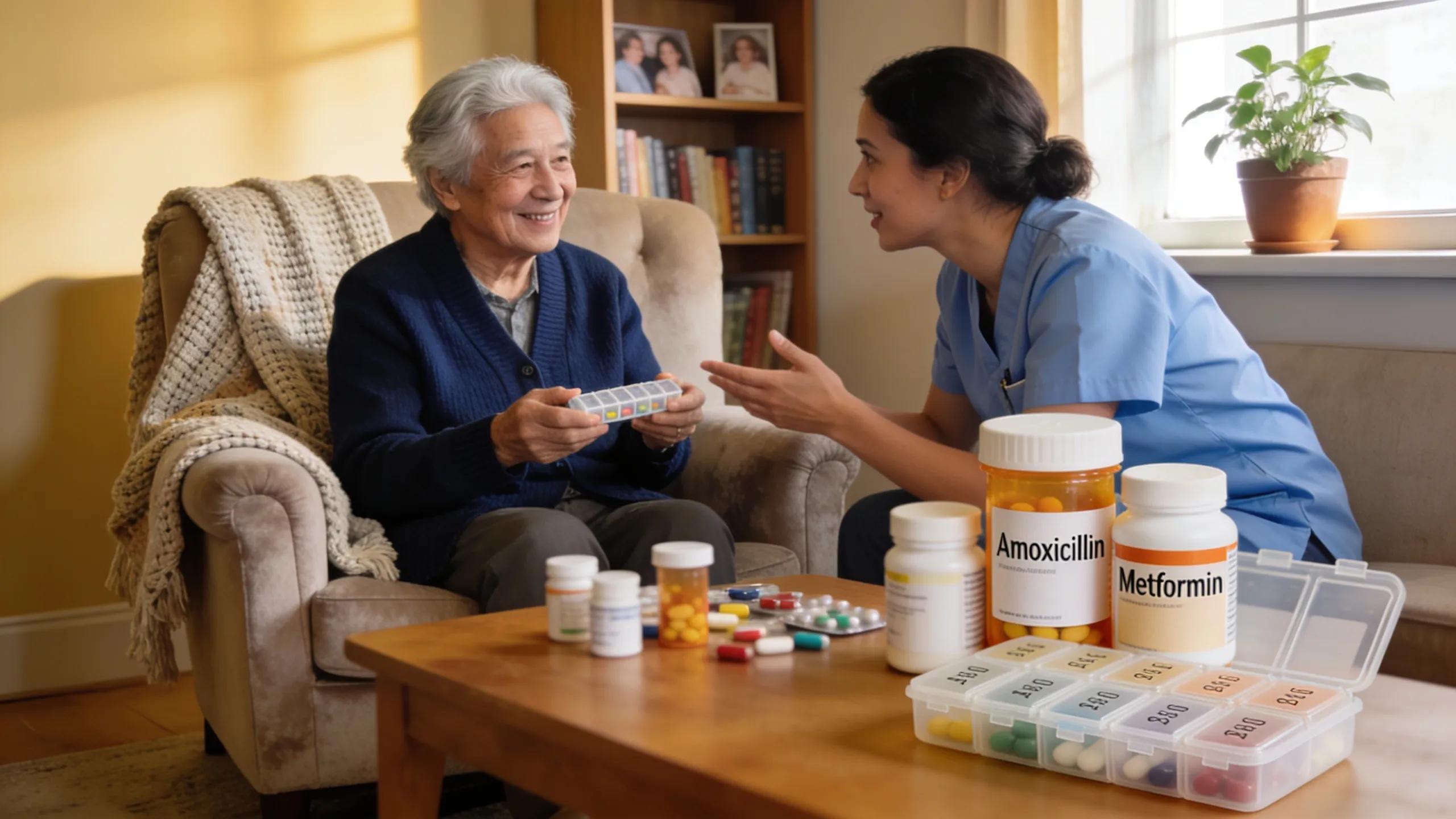
In-home medication management is vital for seniors’ health. Complex regimens and close monitoring make clear communication between caregivers and healthcare teams essential. This article explains how good communication improves adherence and health outcomes, outlines common challenges, and shows practical tools and technologies that support safe, compliant medication routines.
Methods of Communication:
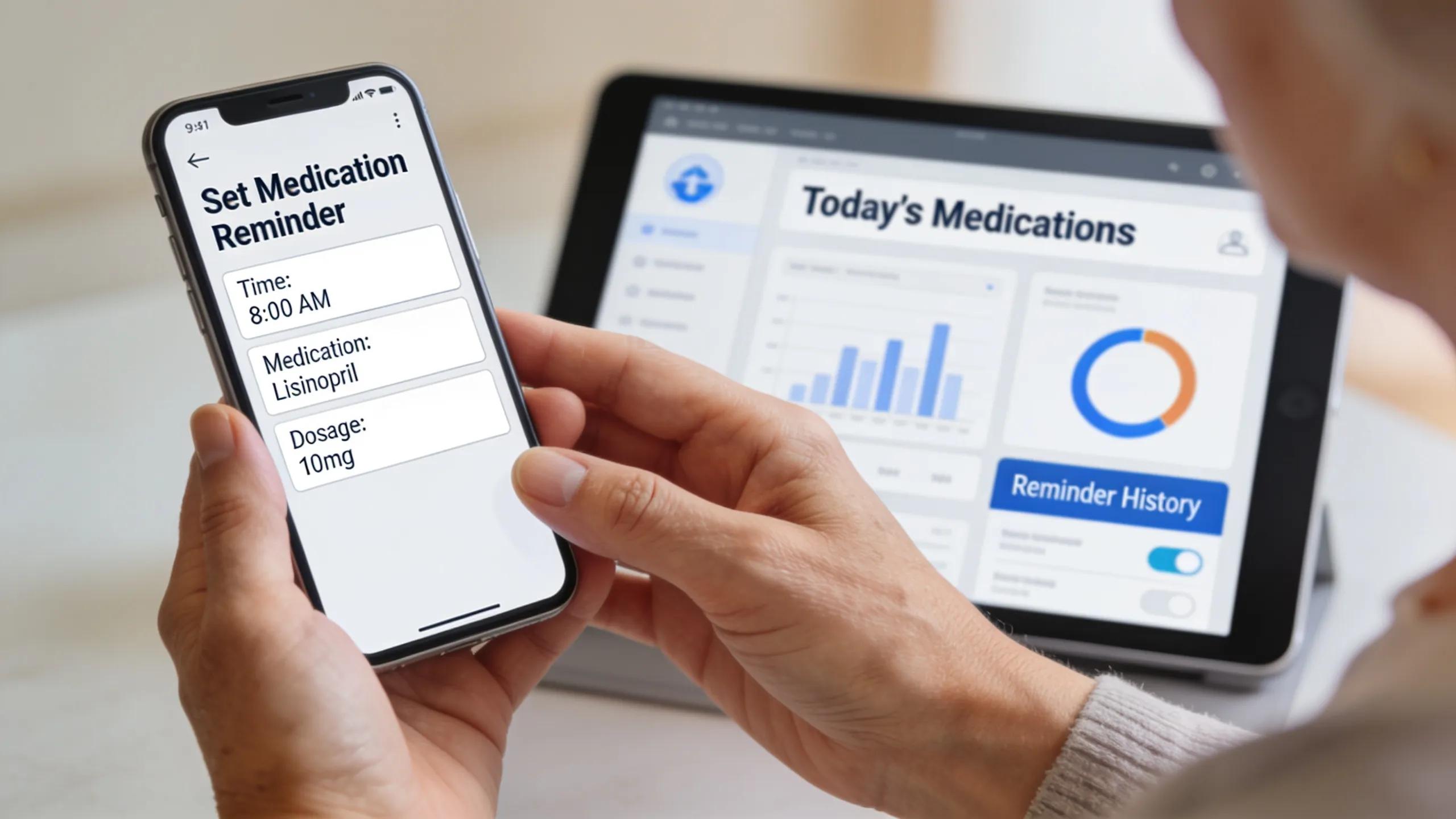
Reliable communication methods help ensure seniors get the right medications at the right time. Caregivers and providers can use a mix of observational reporting, reminders, and direct contact to keep medication plans on track.
-
Observation and Reporting by Caregivers: Caregivers often monitor the senior’s health and report any changes or concerns regarding medication side effects or missed doses directly to healthcare providers.
-
Refill and Appointment Reminders: Automated systems can be set up to send reminders for medication refills and upcoming medical appointments, ensuring that seniors stay on track with their treatment plans.
-
Direct Communication with Doctors: Establishing a direct line of communication allows caregivers to relay any urgent issues regarding a senior’s medication, enabling quick adjustments to be made when necessary.
These methods create a structure that supports comprehensive medication management, ultimately leading to better health outcomes.
Potential Challenges:
Medication management at home comes with challenges that can affect adherence and safety. Recognising these issues helps families and caregivers put effective measures in place.
-
Memory Challenges in Seniors: Many seniors experience memory issues that can lead to missed doses or confusion about medication schedules.
-
Complexity of Medication Regimens: Seniors often take multiple medications for various health conditions, which can cause confusion about dosage and timing.
-
Communication Gaps Among Care Teams: If healthcare providers do not communicate effectively, critical information regarding medication adjustments or health changes may be overlooked.
Strong communication, clear routines, and supportive tools reduce errors and help seniors stick to their prescribed regimens.
Benefits of Effective Collaboration:
Coordinated communication between caregivers, providers, and family members improves medication safety and makes care more effective.
-
Enhanced Safety and Compliance: Regular updates and open dialogues help ensure that medications are taken safely and as prescribed.
-
Improved Health Outcomes: Studies show that effective communication leads to better-controlled chronic conditions and reduces emergency hospital visits.
-
Peace of Mind for Families: Families who are kept informed about their loved one’s medication management feel more confident and involved in their care, easing stress for everyone.
When teams collaborate, seniors benefit from safer care and families gain reassurance.
What Step-by-Step Workflows Ensure Accurate Prescription Updates?
Consistent workflows keep medication records accurate and help ensure seniors receive the correct prescriptions and dosages.
-
Regular Observation and Reporting: Caregivers should conduct routine checks and report any issues immediately.
-
Timely Communication Strategies: Implementing a defined schedule for communicating medication updates can help prevent misunderstandings.
-
Involvement of Family Members: Family members can play a key role by regularly checking in and being involved in health updates.
Following simple, repeatable steps keeps everyone informed and responsive to changes in the senior’s care.
Which Communication Protocols Support Medication Adherence and Safety?
Standard protocols help caregivers and providers work together to keep medication routines consistent and safe.
-
Observation and Reporting Techniques: Standardizing methods by which caregivers report issues helps ensure nothing vital is overlooked.
-
Structured Reminders and Schedules: Utilizing tools like pill boxes or mobile apps dedicated to medication reminders assists seniors in managing their medications effectively.
-
Organizational Support for Medications: Resources such as medication logs or access to electronic health records can streamline communication among caregivers and healthcare providers.
These protocols form a reliable framework that improves adherence and reduces risk.
Integrating smart adherence systems, especially those designed for older adults with disabilities, adds real-time feedback and monitoring that further supports safe medication use.
Mobile-Enabled Smart Medication Adherence System for Geriatric Patients with Disabilities
Accurate adherence to prescribed medication regimens, encompassing correct timing and dosage, is critical. This presents a considerable challenge for the elderly, particularly those with disabilities. Forgetfulness and other factors frequently lead to suboptimal medication intake among this demographic, diminishing treatment efficacy, escalating healthcare expenditures, and increasing mortality rates. In response to this issue, a mobile and cloud-based intelligent application has been engineered to enhance patient medication adherence, specifically targeting older adults with disabilities. The innovation of this application lies in its utilization of a cloud service to facilitate bidirectional communication, enabling real-time feedback exchange between geriatric patients with disabilities and their physicians, thereby allowing for continuous monitoring of medication adherence. Mobile device based smart medication reminder for older people with disabilities, 2018
What Technology and Tools Enable Effective Medication Communication?
Technology has changed how medication information is shared among caregivers, seniors, and clinicians, making coordination faster and more reliable.
-
Electronic Health Records: EHR systems help streamline information sharing, allowing quick access to a senior’s medication history.
-
Mobile Apps for Tracking: Many apps now offer medication management features, reminding seniors about doses and tracking adherence.
-
Communication Platforms for Caregivers: Tools designed for caregiver coordination can enhance visibility among all parties involved in medication management.
Using these technological tools can streamline workflows and reduce medication errors.
For example, IoT-enabled dispensers allow remote oversight by physicians and caregivers and record verification logs for later review.
IoT-Integrated Medication Dispensing for Remote Physician and Caregiver Oversight
This secure approach to medication management facilitates network-connected medicine dispensers. Verification is logged for review by caregivers and physicians. Design and Development of an IoT-Integrated Automated Liquid and Pill Dispensing System for Real-Time Remote Supervision by Doctors and Caregivers, 2025
What Role Do Family Members Play in Senior Medication Coordination?
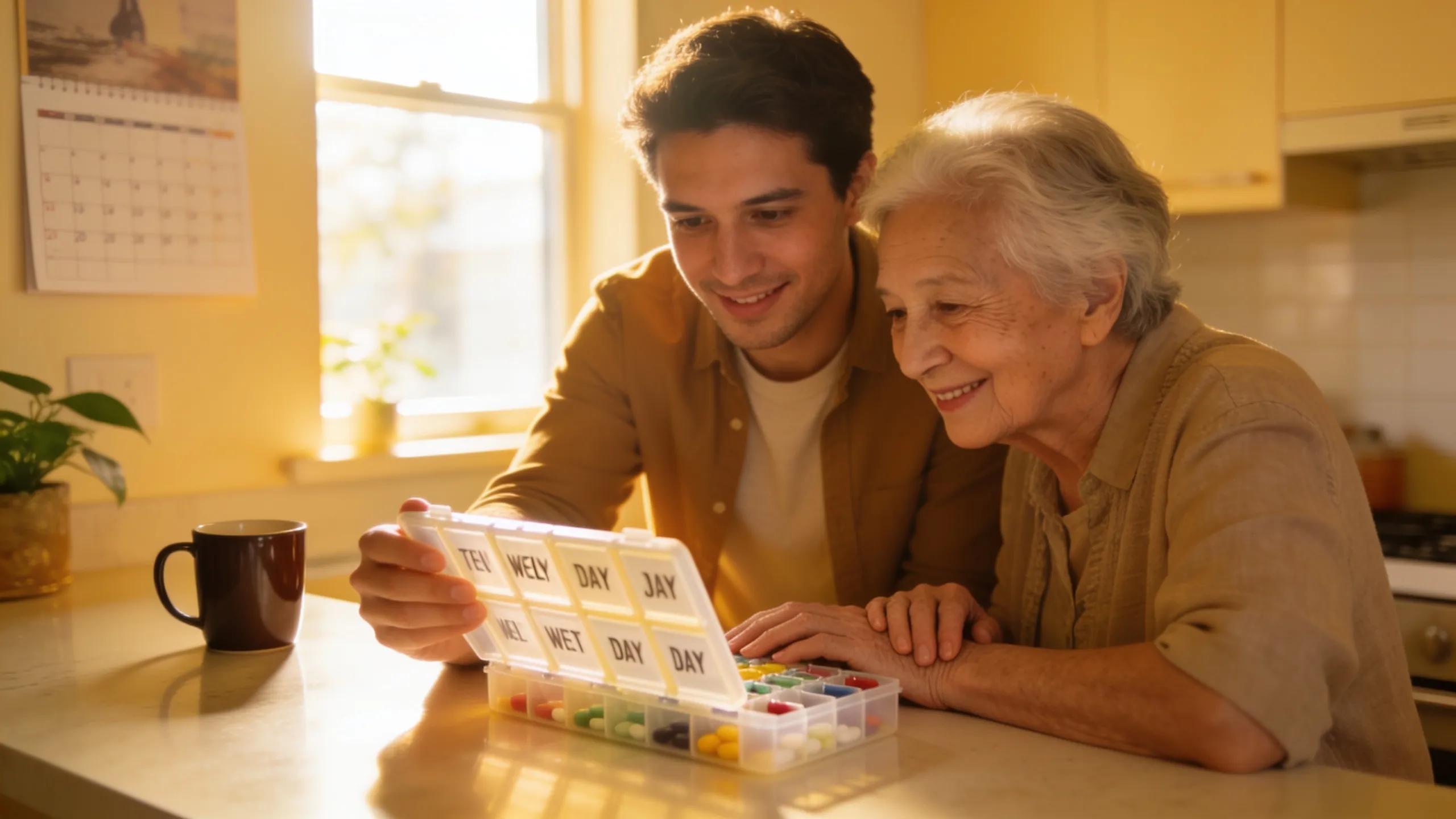
Family members provide practical support and act as a communication link between seniors and healthcare teams.
-
Support in Organizing Medications: Family members can assist in setting up pill organizers or preparing medications weekly to minimize confusion.
-
Monitoring for Adherence: Regular check-ins from family can encourage seniors to adhere to their medication schedules and report any issues.
-
Communication Bridge: Family members frequently serve as liaisons between seniors and healthcare providers, ensuring that important information is relayed effectively.
Active family involvement improves adherence and reduces the risk of missed or incorrect doses.
How Can Families Support and Receive Updates on Prescriptions?
Families can use simple measures to help keep prescriptions current and make sure seniors stay on their regimens.
-
Monitoring Missed Doses: Encouraging the use of tools for tracking medication can help families quickly identify missed doses.
-
Setting Up Reminders: Family members can help seniors set up automated reminders via phones or alarms to ensure medications are taken as prescribed.
-
Communication with Healthcare Providers: Maintaining an open line of communication with healthcare providers allows families to receive timely updates regarding medication changes or health status.
Hands-on support and timely updates help families keep loved ones safe and engaged in their care.
What Communication Advisories Help Families Stay Informed Safely?
Clear advisories guide families on observing changes, managing refills, and organising medications to keep seniors safe.
-
Observation Protocols: Establishing protocols for observing and reporting changes in condition or medication responses helps streamline communication.
-
Refill Reminders: Setting reminders to check on prescription refills prevents lapses in medication availability.
-
Medication Organization Support: Offering assistance in organizing and documenting medications can help families effectively manage their loved one’s health needs.
Following these advisories keeps communication efficient and reduces the chance of lapses.
What Are the Safety and Compliance Considerations in Medication Communication?
Safety and legal compliance must guide every step of medication communication to protect seniors and their health information.
-
Monitoring Compliance: Regular checks on adherence not only ensure that medications are taken but also identify areas needing improvements.
-
Ensuring Safety Protocols: Implementing safety protocols to manage and organize medications reduces risks of dangerous interactions or overdoses.
-
Legal Considerations on Privacy: Understanding individuals’ rights in terms of who can access their health information is critical.
Prioritising safety protocols and privacy keeps seniors protected and helps caregivers meet regulatory requirements.
How Do Privacy Laws Affect Sharing Seniors’ Prescription Information?
Privacy laws set clear rules for when and how prescription information can be shared, protecting seniors’ rights.
-
Understanding HIPAA Regulations: Compliance with HIPAA ensures that any discussions regarding a senior’s medication are confidential and secure.
-
Consent Requirements: A clear understanding of when consent is required can prevent unauthorized sharing of information.
-
Safe Communication Methods: Ensuring that communication about medications takes place through secure channels helps protect sensitive information.
Knowing these rules builds trust and ensures information is shared only with proper consent and security.
Which Practices Minimize Prescription Errors Through Effective Communication?
Adopting practical habits reduces prescription mistakes and improves care consistency.
-
Effective Organization of Medications: Using pill organizers and clear labeling systems prevents mix-ups or missed doses.
-
Clear Documentation of Changes: Keeping thorough records of any medication changes aids in accurate prescribing and dispensing.
-
Regular Communication with Healthcare Providers: Consistent dialogue among caregivers and healthcare providers ensures that everyone is on the same page regarding the medication plan.
Simple practices—organisation, documentation, and regular check-ins—help prevent errors and protect seniors’ health.
What Common Challenges Arise in Home Care Medication Communication and How Are They Solved?
Common issues like missed doses, poor handoffs, and behavioural changes are solvable with clear systems and regular contact.
-
Missed Doses and Confusion: To combat this, caregivers should encourage the use of reminder systems and regular schedules.
-
Communication Gaps: Establishing clear communication protocols and regular meetings between caregivers and healthcare providers can address this challenge.
-
Behavioral Changes: Frequent check-ins can provide valuable support for seniors who may struggle with adherence due to cognitive challenges.
Addressing these problems with straightforward tools and routines improves medication reliability.
How Do Home Care Nurses Communicate Medication Changes to Doctors?
Home care nurses ensure doctors receive timely, accurate updates through observation, documentation, and direct contact.
-
Using Observation and Documentation: Documentation of observations ensures accurate reporting of medication changes to doctors.
-
Direct Communication Methods: Establishing direct lines of communication allows nurses to convey urgent updates effectively.
-
Coordination with Other Healthcare Providers: Collaborating with various healthcare professionals ensures that all parties are informed after any medication adjustments.
Accurate notes and fast communication let nurses escalate issues and support safe medication adjustments.
Who Manages Medication Adjustments in In-Home Care Settings?
Medication changes are managed through teamwork: caregivers monitor daily use, providers prescribe changes, and families support follow-through.
-
Roles of Caregivers and Healthcare Providers: Caregivers often monitor daily medication intake, while healthcare providers make necessary adjustments based on observed effects.
-
Importance of Family Involvement: Family members play a vital role in providing support and reinforcing medication regimens.
-
Communication Strategies for Adjustments: Clear methods of communication are required to ensure everyone involved is aware of any changes to medication regimens.
Clear roles and consistent communication ensure adjustments are made safely and followed at home.
Frequently Asked Questions
1. What are some common medications that seniors might need help managing?
Seniors often need help with medications for chronic conditions like high blood pressure, diabetes, arthritis, and heart disease, plus drugs for pain, anxiety, or sleep. Taking multiple prescriptions raises the risk of interactions, so caregivers must know each medication to ensure correct dosing and timing.
2. How can automated reminders enhance medication adherence?
Automated alerts—phone calls, texts, or app notifications—prompt seniors to take doses on time and reduce missed medications. Many systems also send refill reminders so caregivers can plan ahead. These tools fit into daily routines and cut reliance on memory alone.
3. What are the signs that a senior may be struggling with medication management?
Warning signs include frequent missed doses, confusion about schedules, unreported side effects, sudden health decline, or repeated hospital visits. Finding unopened or unfilled bottles and changes in daily behaviour can signal the need for intervention.
4. How important is it for caregivers to understand side effects of medications?
Caregivers who know common side effects can spot problems early and report them clearly to clinicians. That helps prompt timely adjustments and keeps the senior safer while treatment stays effective.
5. What role can telehealth play in medication management for seniors?
Telehealth gives seniors easier access to clinicians for medication reviews and follow-ups without travel. Virtual visits speed up adjustments and monitoring, which is especially useful for those with mobility limits or who live far from care.
6. How can medication errors be minimized in home settings?
Reduce errors by organising medications with pillboxes, documenting all changes, training caregivers, and encouraging seniors to be involved. Clear communication and routine checks keep everyone aligned and lower the risk of mistakes.
7. What support resources are available for families managing senior medication?
Families can use educational programs from providers, pharmacy medication reviews, mobile apps for reminders and tracking, and caregiver support groups. These resources offer practical guidance and shared experience to ease management.
Conclusion
Clear, coordinated communication is central to safe in-home medication management. When caregivers, families, and healthcare providers work together and use appropriate tools, seniors benefit from better adherence, fewer mistakes, and improved wellbeing. Reach out to available resources and stay engaged to help optimise your loved one’s medication routine today.
