


Managing medications correctly is essential for seniors living alone because it directly affects their health and wellbeing. Adherence problems often come from cognitive decline, complex regimens and physical limits. Poor management raises the risk of hospital stays and worsening conditions. This article outlines the main risks, common adherence barriers and practical prevention steps, and explains how caregivers and medication management services can help.
Medication Adherence Challenges for Seniors:
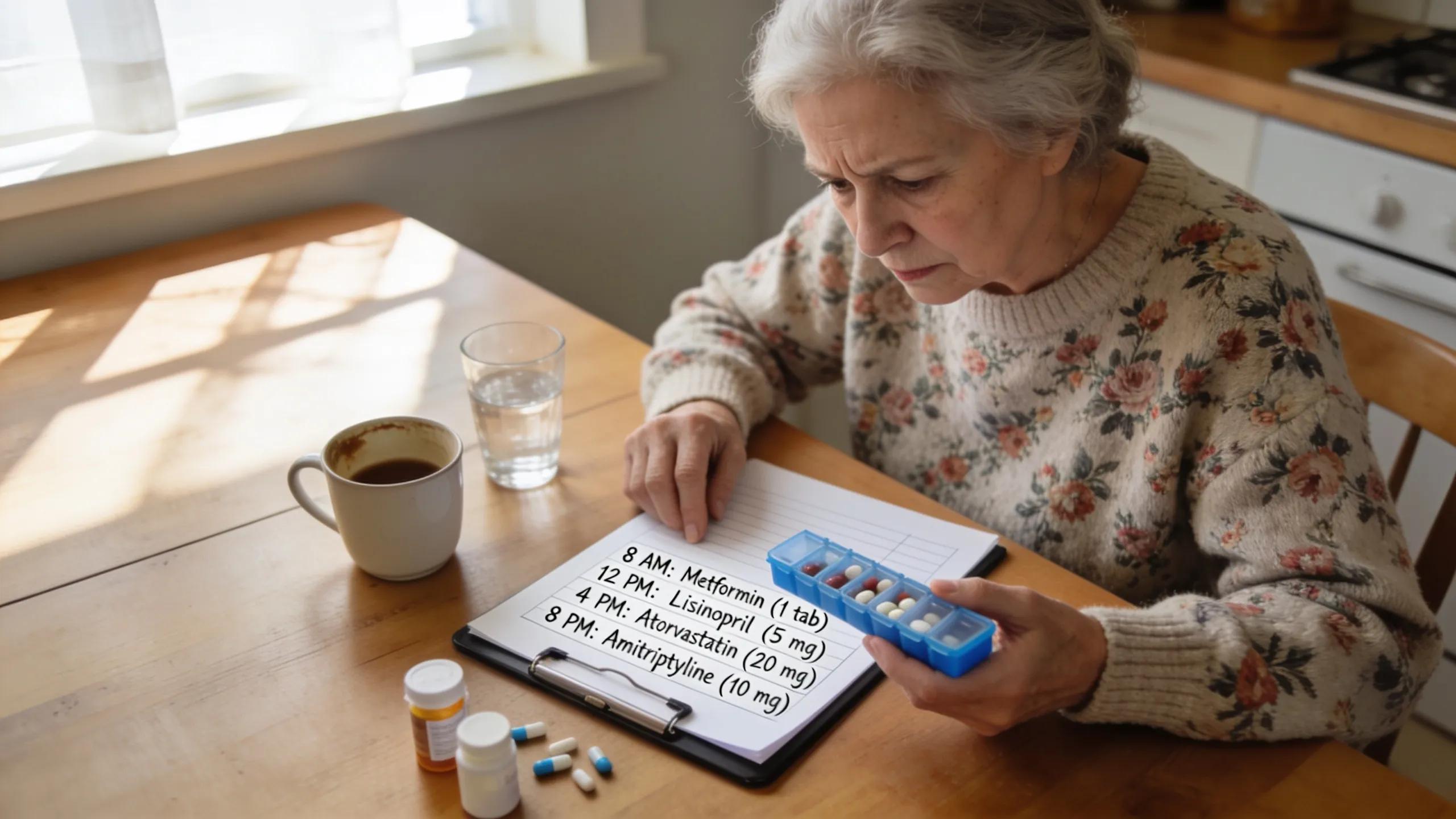
Seniors face adherence barriers that affect health outcomes. Memory lapses, complicated dosing schedules and physical limitations can cause missed or incorrect doses. Complex regimens create confusion about timing and purpose, and physical difficulties make handling pills harder. Addressing these issues is key to better medication management and maintaining independence.
Potential Risks of Poor Medication Management:
Poor medication management can cause both immediate and long-term harm. Early signs include worsening health and more medication errors—missed doses or overdoses—that may lead to severe adverse events. It also raises the likelihood of hospital admissions, added stress and further complications, which over time reduce quality of life.
Strategies for Prevention:
Prevention cuts risk. Use reminders, pill boxes and planners to simplify dosing and timing. Build a routine around medication intake to make adherence habitual. Proper nutrition supports medication effectiveness, and services like meal preparation and diet planning can help seniors maintain the nutrition that supports overall wellbeing.
What Are the Common Causes and Types of Medication Errors Among Seniors?
Medication errors often stem from a few common causes:
-
Missed doses: Forgetting to take medication or taking it at the wrong time can compromise treatment efficacy.
-
Overdosing: Taking more than the prescribed amount due to confusion or misunderstanding of dosages.
-
Drug interactions: Mixing medications without proper guidance can lead to dangerous health outcomes.
Preventing these errors requires recognising the complexity of regimens and putting clear systems in place—simple instructions, organised packaging and routine reviews—to support adherence.
How Does Polypharmacy Increase the Risk of Medication Errors?
Polypharmacy—taking multiple medications at once—raises the chance of errors. Managing many drugs increases confusion about each medication’s purpose, dose and timing, and boosts the risk of adverse reactions. Regular review and close monitoring help reduce these risks.
What Medication Adherence Challenges Do Seniors Face at Home?
Seniors living at home commonly face several adherence challenges:
-
Refusal to take medications: Some seniors may decline medications due to side effects or perceived lack of necessity.
-
Confusion over dosages: Difficulty understanding complex regimens can lead to mistakes in administration.
-
Lack of support: Many seniors may not have adequate assistance, resulting in challenges managing medications alone.
Spotting these issues lets caregivers provide focused support and improve medication routines.
What Are the Critical Effects and Dangers of Poor Medication Management in Elderly Independent Living?
Poor medication management can worsen health problems, trigger hospital stays and increase dependence on caregivers. It often raises medical costs and can lead to social withdrawal as health declines, all of which undermine independence and quality of life.
How Do Missed or Incorrect Doses Lead to Hospitalizations and Adverse Drug Events?
Missed or incorrect doses can cause a chain of problems: skipping doses may worsen the condition being treated, while overdosing can produce severe side effects. These events can impair cognition and overall health and frequently require emergency care.
What Signs Indicate Medication Mismanagement in Seniors?
Common indicators of medication mismanagement include:
-
Changes in routine: Difficulty maintaining a consistent medication schedule may suggest confusion or forgetfulness.
-
Behavioral signs: Increased irritability or withdrawal can indicate cognitive issues affecting adherence.
-
Missed doses: Regularly noticing filled pillboxes or leftover medications can signal mismanagement.
Noticing these signs early lets caregivers step in—adjust routines, check supplies and seek professional help when needed.
How Can Preventive Strategies and Medication Management Services Reduce Risks for Seniors at Home?
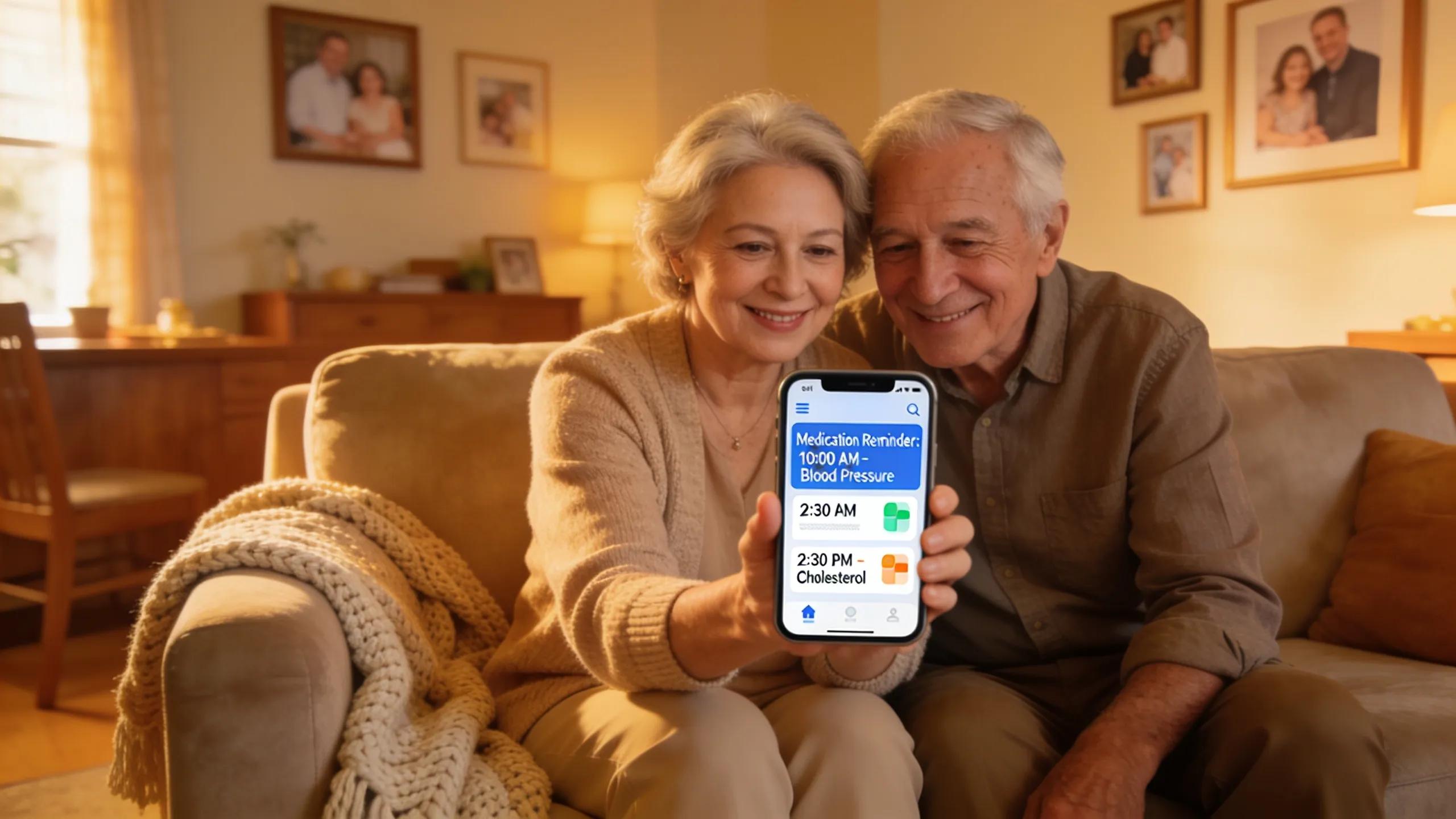
Preventive strategies and medication management services lower risk. Caregiver oversight improves accountability and enables quick intervention. Technology—apps and telehealth—supports communication with clinicians and makes tracking easier. Personalised medication plans ensure support matches each senior’s conditions and needs.
What Role Does the Medication Management Service Play in Supporting Independent Seniors?
Medication management services provide structure: reminders, help organising doses and monitoring medication-taking behaviour. They reduce the burden on seniors so they can concentrate on daily life while their medication needs are managed safely.
Which Technology and Tools Help Improve Medication Adherence and Safety?
Several technologies and tools can enhance medication adherence and safety for seniors. These include:
-
Smart pill dispensers: Devices that automatically dispense the correct dose at scheduled times.
-
Mobile apps: Applications that send reminders and track medication schedules.
-
Telehealth services: Platforms that provide remote consultations and medication reviews with healthcare professionals.
These tools simplify routines and support better health outcomes.
What Is the Role of Caregivers in Preventing Medication Errors and Supporting Seniors?
Caregivers prevent errors by listening, giving clear instructions and monitoring for side effects. Regular follow-up and attention to changes in behaviour or routine strengthen adherence and safety.
How Do Caregivers Assist with Medication Adherence and Drug Interaction Prevention?
Caregivers help by setting reminder systems, keeping structured schedules and educating seniors about potential drug interactions. Encouraging open communication about symptoms and concerns reduces risk. For seniors who need help with trips or errands, reliable transportation and errands services are valuable.
What Training and Support Services Are Available for Caregivers?
Caregivers can access several training and support options:
-
Specialized training: Programs focusing on medication management and adherence techniques.
-
Community resources: Access to networks of caregivers sharing best practices and strategies.
-
Continuous education: Regular workshops to stay updated on best practices and new medication protocols.
These resources help caregivers provide safer, more confident care for seniors.
This overview highlights why effective medication practices and proactive support matter for seniors living independently. Addressing adherence challenges and applying targeted strategies can improve health and quality of life. Practical help—from reminders to companionship—supports independence; for example, regular companionship and recreational activities boost mental health and overall wellbeing.
Frequently Asked Questions
How can technology help seniors with medication management?
Technology can automate dosing, send reminders and track schedules. Smart dispensers reduce dosing errors, apps keep schedules visible and telehealth enables remote medication reviews with clinicians. Together, these tools improve adherence and safety.
What can families do to support seniors in medication adherence?
Families can support adherence by talking regularly about medications, keeping a consistent routine, using pill organisers and offering gentle reminders. Encouraging seniors to share symptoms and concerns builds a safer, more supportive environment.
Are there financial assistance programs for medication management services?
Yes. Local health departments and non-profits may offer financial aid or sliding-scale fees, and Medicare or Medicaid can cover some services when medically necessary. Seniors and families should explore community resources and discuss options with healthcare providers.
What lifestyle changes can improve medication adherence for seniors?
Simple lifestyle changes help: a consistent daily routine, balanced nutrition, appropriate physical activity and regular social engagement all support medication adherence and overall health.
How can caregivers identify medication mismanagement in seniors?
Caregivers can spot mismanagement through shifts in routine, behavioural changes like increased agitation or withdrawal, and by checking pillboxes for unused medication. These signs indicate the need for timely intervention.
What resources are available to educate seniors about their medications?
Community healthcare organisations run workshops, pharmacies provide informational materials, online platforms offer videos and articles, and healthcare appointments let seniors ask questions directly. These resources help seniors learn about their medications at their own pace.
Conclusion
Proper medication management is vital for seniors living independently because it directly affects health and quality of life. Understanding risks and using effective strategies lets caregivers reduce harm and support adherence. Explore available resources and start improving your loved one’s medication routine to protect their health and independence.
