

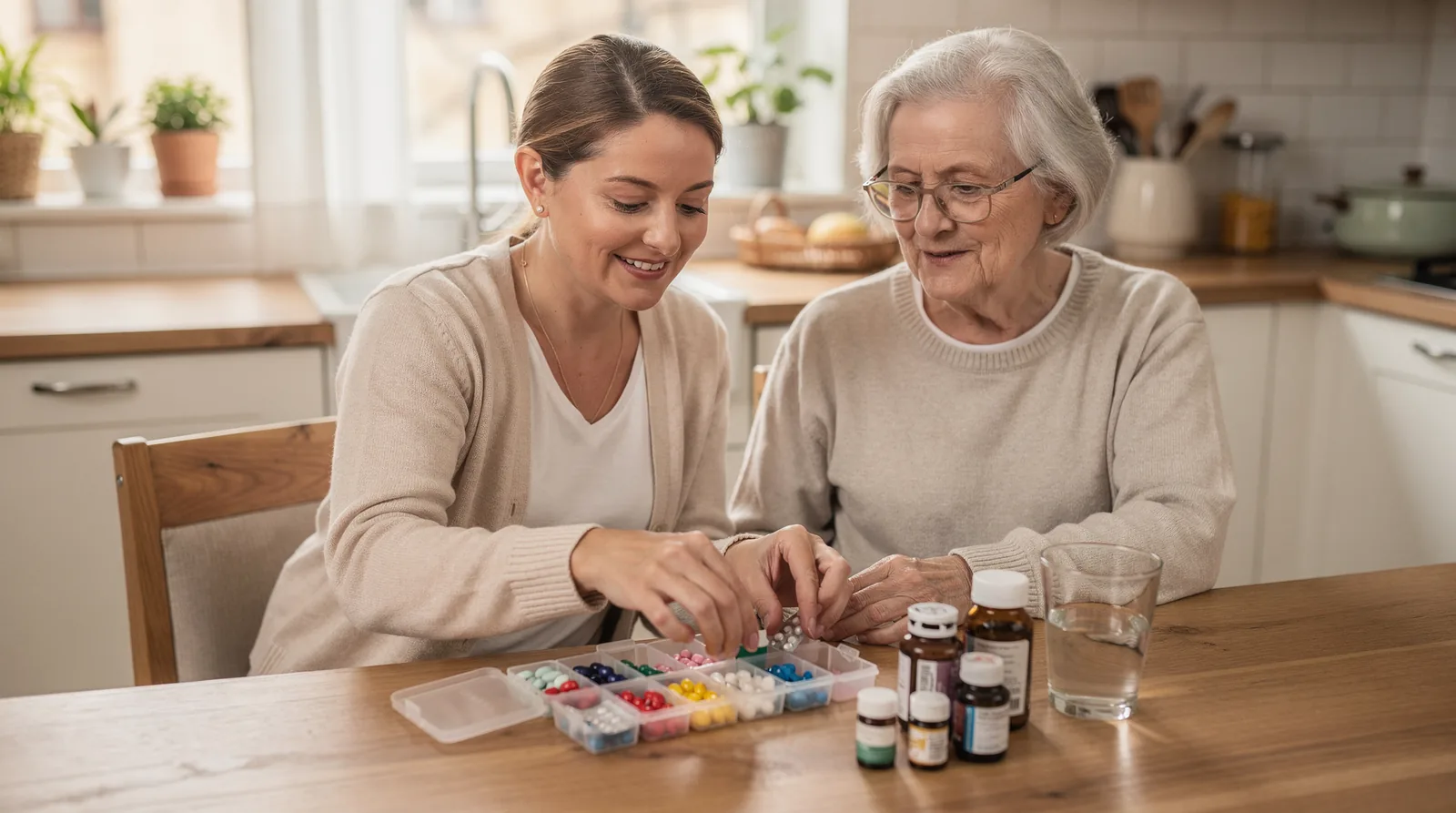
When it comes to Advantages of Senior Companion Care Services, companion care services deliver non-medical support that eases isolation and preserves independence for seniors across the Greater Philadelphia Metro Area. Gentle Hearts Home Care provides companionship and recreation, meal preparation, light housekeeping, and transportation, giving families reassurance while helping aging loved ones maintain dignity, routine, and meaningful social connection at home.
What Exactly Is Companion Care?
Companion care means non-medical home support for older adults and people with disabilities. Loneliness and isolation cause real harm, quietly eroding health and confidence long before any physical decline appears. Families who overlook this risk often watch a parent withdraw, skip meals, or stop leaving the house altogether.
At its core, companion care exists for one purpose: emotional connection. The primary goal centers on socialization and emotional support, not clinical treatment. A caregiver’s visit might include conversation, a shared hobby, or simply a familiar face at the door. Small moments that carry outsized weight for someone spending most days alone.
Is Companion Care the Same as Medical Home Care?
No. Companion care stays entirely non-medical, focused on presence and daily engagement rather than clinical tasks. Families seeking medication oversight or skilled nursing need a different service tier, though companions often work alongside those providers.
What Does a Typical Companion Visit Look Like?
Visits vary by family, but the emphasis stays consistent: connection first, tasks second. Common activities include:
-
Friendly conversation and shared meals
-
Light recreational activities, such as games or walks
-
Accompaniment to appointments or errands
-
Simple household support that keeps daily routines running smoothly
Gentle Hearts Home Care builds its services around this same philosophy. The advantages of senior companion care services extend across every level of need, from a few hours a week to overnight and full 24-hour live-in support. Based in Clifton Heights, Pennsylvania, Gentle Hearts connects families throughout the surrounding region with caregivers trained to bring warmth, consistency, and genuine companionship into the home. Exactly when a loved one needs it most.
How Does Companionship Fight Senior Isolation?

Regular human connection breaks the cycle of loneliness that quietly threatens older adults living alone. Roughly one-fourth of seniors nationwide experience social isolation, according to research from the National Academies of Sciences, Engineering, and Medicine. That statistic carries real weight. Loneliness and isolation raise a senior’s risk for premature death, dementia, heart disease, and stroke. Left unaddressed, isolation does not stay emotional — it becomes a physical health threat.
Consistent companionship changes that trajectory. Companion care reduces feelings of isolation and loneliness while supporting a senior’s overall sense of well-being, offering conversation, shared activities, and a familiar face who checks in regularly. Among the many advantages of senior companion care services is this steady social rhythm, which gives aging adults something reliable to look forward to each week.
What does a companion actually do to keep seniors engaged?
Gentle Hearts Home Care builds companionship. Recreation into its core in-home services, pairing seniors with caregivers who prioritize connection alongside daily support. Visits might include:
-
Shared meals and conversation
-
Games, hobbies, or light recreational activities
-
Accompaniment on walks or outings
-
Simple check-ins that ease feelings of loneliness
Why does isolation matter more for seniors than younger adults?
Aging often narrows a person’s social circle through retirement, mobility limits, or the loss of close friends and family. Without intervention, that shrinking circle compounds the health risks tied to loneliness. A dependable companion helps rebuild that circle, one visit at a time, restoring a sense of connection families can trust.
What Daily Tasks Do Companions Support?
Daily support from a companion extends far beyond a friendly visit. Meal preparation, light housekeeping, errands, and conversation all fall within a companion’s role, giving families a dependable partner in everyday life. Advantages of senior companion care services become clear once families see how much of the daily routine a trained companion can lighten.
Companion care centers on non-medical assistance with the ordinary tasks of daily living. A companion’s schedule typically includes:
-
Meal preparation and diet planning, tailored to a client’s preferences and nutritional needs
-
Light housekeeping and laundry, keeping the home safe and comfortable
-
Transportation and errands, from grocery runs to appointment drop-offs
-
Companionship and recreation, including conversation, hobbies, and shared activities
-
Medication reminders and daily routine support, depending on the client’s needs
Gentle Hearts Home Care builds its caregiving approach around these everyday tasks, with particular attention to meal preparation and diet planning as a core service. Nutrition matters as much as safety. A caregiver who understands a client’s tastes. Dietary restrictions turns mealtime into a moment of connection rather than a chore.
Does Companion Care Replace a Senior’s Independence?
No, companion care supports independence rather than replacing it. Gentle Hearts frames its role as honoring each client’s abilities, stepping back when a task can be done alone and stepping in only when guidance or hands-on help is genuinely needed.
What Makes Companion Care Different From Medical Home Care?
Companion care focuses on non-medical support, not clinical treatment. Assistance centers on daily living tasks. Emotional connection, leaving skilled medical services to licensed home health providers when those needs arise.
Why Does Personalized Matching Matter?

Matching determines whether care feels like a genuine partnership or a generic service. Families who receive a caregiver mismatched to their loved one’s personality or routine often see resistance, frustration, and withdrawal instead of comfort. This is one of the core advantages of senior companion care services built on thoughtful pairing rather than convenience or scheduling alone.
At Gentle Hearts Home Care, caregivers work with sensitivity and respect toward each client’s distinct strengths, preferences, and daily rhythms. A senior who values morning walks or a particular breakfast ritual deserves a caregiver who honors that pattern, not one who imposes a new routine. Respectful attention like this builds trust quickly and keeps daily life familiar.
What Makes a Good Companion Care Match?
A good match balances independence with support. Strong pairings share three qualities:
-
Autonomy-first approach — caregivers step back when a client can complete a task independently, letting seniors maintain control over daily choices.
-
Responsive support — when hands-on help becomes necessary, caregivers step in with warmth and dignity, never rushing or diminishing the client’s confidence.
-
Values alignment — every match reflects the agency’s founding commitment to compassion, respect, and family-centered care.
Why Does Independence-Focused Care Reduce Family Worry?
Family caregivers often carry guilt over relinquishing daily tasks to someone new. Personalized matching eases that concern because caregivers are trained to support, not override, a senior’s abilities.
Adult children gain confidence knowing their parent’s routines, preferences, and pace are respected rather than replaced. That reliability, rooted in Gentle Hearts’ family-centered values, transforms companion care from a transactional service into a genuine, trustworthy relationship.
How Do Families Get Started With Care?
Families begin the process with a conversation about daily routines, health concerns, and the level of support a loved one needs. Companion care stands apart from other forms of long-term care that focus mainly on medical needs, making it a natural starting point for families weighing their options. Gentle Hearts Home Care Agency serves families throughout the Greater Philadelphia Metro Area, positioning itself as a trusted partner delivering exceptional, compassionate in-home care.
Once a family identifies what their loved one needs most, the next step is matching that need to a care schedule. The advantages of senior companion care services become clear here, since flexibility sits at the center of the approach.
What Types of Care Schedules Are Available?
Families can choose hourly support, overnight assistance, or live-in care based on their loved one’s needs. Each option addresses a different situation:
-
Hourly support — suited to occasional errands, appointments, or short visits
-
Overnight assistance — helpful for households needing supervision after dark
-
Live-in care — appropriate for loved ones requiring consistent, round-the-clock presence
How Does a Family Know Which Option Fits Best?
No single schedule works for every household. A short discussion with a care coordinator usually clarifies whether occasional visits or full-time support makes the most sense.
Getting started rarely feels complicated once families understand the choices in front of them. Gentle Hearts guides each conversation with patience. Respect, helping loved ones maintain independence while family caregivers gain peace of mind. Reaching out marks the first step toward dependable, compassionate support tailored to the household’s daily life.
FAQ
What is companion care?
Companion care is non-medical home support for older adults and people with disabilities, focused on emotional connection, socialization, and daily engagement rather than clinical treatment.
How does companion care help fight senior isolation?
Regular visits offer conversation, shared activities, and a familiar face, reducing feelings of loneliness and isolation while supporting a senior’s overall well-being and giving them something to look forward to each week.
What services does Gentle Hearts Home Care provide?
Gentle Hearts Home Care offers companionship and recreation, meal preparation, light housekeeping, and transportation, with support ranging from a few hours a week to overnight and full 24-hour live-in care.
Conclusion
In closing, companion care services represent a meaningful investment in your loved one’s quality of life, fostering meaningful connections while supporting their independence and dignity at home. By addressing both practical needs and emotional well-being, these services provide families with the peace of mind that comes from knowing their senior receives compassionate, attentive support. Gentle Hearts Home Care remains committed to delivering this personalized care with the gentle touch your family deserves.
