


Medication management helps seniors handle prescriptions safely and effectively. As more older adults take multiple medications, sticking to the right regimen has a major impact on health and quality of life. This article outlines the main benefits of medication management services for seniors and explains how well-designed programs can cut down medication-related problems. We cover common challenges seniors face, the caregiver’s role, the need for coordinated care, and practical routines that support adherence. Understanding these elements helps families and caregivers improve adherence and boost overall wellbeing.
Why is medication management crucial for seniors’ health and safety?
Medication management protects seniors’ health by making sure treatments are given correctly. It uses organised strategies to track medication use, adherence, and side effects. This matters because older adults face higher risks from medication mistakes, such as adverse drug events and hospital admissions.
What are the common medication challenges faced by elderly patients?
Older patients often face several hurdles that make adherence harder. These include:
-
Polypharmacy Issues: Many seniors take multiple drugs, which can create complex schedules and confusion about doses.
-
Memory Challenges: Cognitive decline or memory loss can cause them to miss doses or take medications incorrectly.
-
Confusion about Medication Schedules: Complicated regimens increase the chance of missed or double doses, raising the risk of harm.
Spotting these issues is the first step toward practical solutions that improve adherence.
How does improved medication adherence reduce hospitalizations?
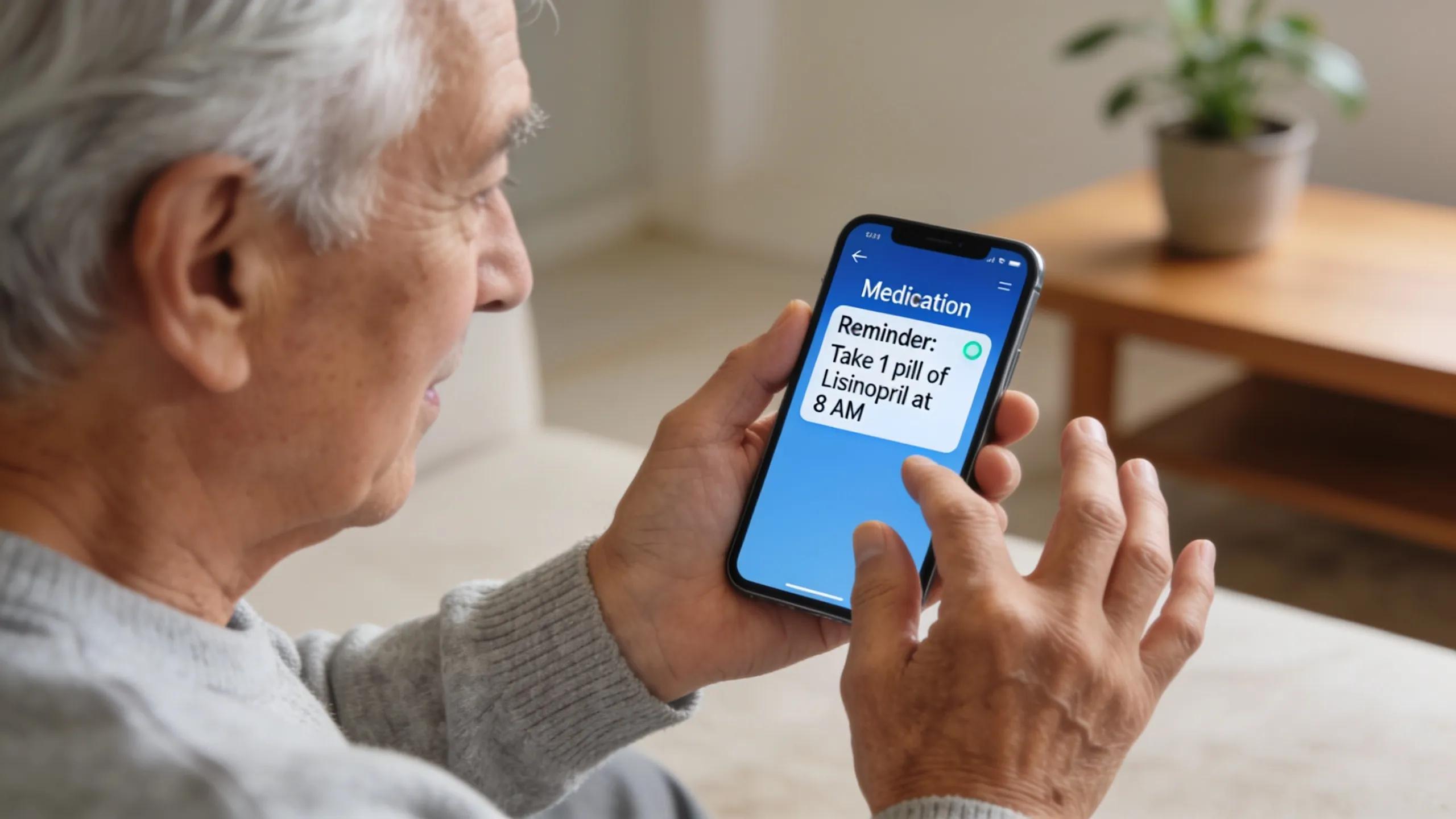
Research links better adherence with fewer hospital admissions. Nearly 30% of seniors experience adverse drug reactions, and many of these stem from non-adherence. Helping seniors follow their prescriptions lowers these risks and leads to better health outcomes—caregivers play a key role in that effort.
How do medication adherence tools and technologies support elderly prescription management?
A range of tools helps seniors manage prescriptions. These tools include:
-
Pill Organizers: Devices that sort doses by day or time to reduce confusion.
-
Medication Reminder Apps: Apps that send alerts so doses aren’t missed.
-
Telehealth Services: Remote monitoring and counselling from healthcare providers.
These solutions support safer, more reliable medication routines for seniors.
What roles do pill organizers and medication reminders play for seniors?
Pill organizers and reminders are central to good medication management for seniors. They help to:
-
Enhance Functionality: Organisers simplify complex schedules and reduce missed doses.
-
Impact Adherence Rates: Reminders improve compliance by reducing forgetfulness.
-
Promote Independence: These tools let seniors manage meds with less direct assistance.
Researchers are increasingly looking at how mobile apps can further support patients with polypharmacy.
Mobile Application Enhances Medication Adherence in Polypharmacy Patients
Adherence to complex drug regimens and polypharmacy presents significant challenges in the elderly population, potentially diminishing their motivation to sustain pharmacotherapy or leading to incorrect medication usage. This study aimed to assess the impact of a mobile medication management application on medication adherence and hospital readmission rates among older adults with polypharmacy. … using a mobile drug management application on medication adherence and hospital readmission among elderly patients with polypharmacy: a randomized controlled …, 2023
Using these resources lets caregivers raise adherence levels among seniors.
What role do caregivers and healthcare providers have in senior medication management?

Caregivers and healthcare providers are vital to safe medication use. Their coordinated efforts help families and patients manage regimens accurately and consistently.
How can caregivers support medication adherence and safety?
Caregivers can use practical strategies to improve adherence, such as:
-
Setting Up Reminders: Creating daily alarms or prompts to signal medication times.
-
Organizational Support: Sorting medications into pill organisers or charts for clarity.
-
Monitoring Effects on Health: Regularly checking for and discussing side effects or difficulties with prescriptions.
These proactive steps reinforce adherence and reduce the chance of complications.
Why is coordinated care important in chronic disease medication support?
Coordinated care is essential for seniors with chronic conditions that require medication. It ensures all providers communicate, share key information, and align treatment plans to avoid conflicting prescriptions and gaps in care.
The benefits of coordinated care include:
-
Reducing Medication Errors: Better communication lowers the risk of conflicting prescriptions.
-
Holistic Health Monitoring: Providers can assess overall needs and adjust medications based on comprehensive reviews.
-
Improved Patient Outcomes: Coordinated approaches often raise adherence rates and improve outcomes in chronic disease management.
What are the proven benefits of GHHCA’s Medication Management Services for seniors?
GHHCA’s Medication Management Services focus on the challenges seniors face with multiple medications. They offer careful oversight so prescriptions are followed correctly, which supports improved health outcomes. For full home care solutions, consider exploring GHHCA’s full range of services.
How does localized expertise enhance medication safety and compliance?
Local providers understand community health needs and cultural preferences, and that knowledge can boost adherence and patient satisfaction by:
-
Tailoring Services: Adapting medication strategies to fit each patient’s routines and needs.
-
Building Trust: Strong local relationships improve communication and adherence.
-
Community Engagement: Local teams know community resources that add extra support.
Paired with services like meal preparation and diet planning, these supports create a more complete approach to senior wellness.
What comprehensive home care supports complement medication management?
Combining medication management with services such as nutritional support, physical therapy, and regular health monitoring addresses the interconnected needs of seniors and improves outcomes.
Which common medication errors and dangers should seniors and caregivers know about?
Seniors and caregivers should watch for common medication errors, including:
-
Incorrect Dosages: Misreading strengths or instructions can lead to overdosing or undertreatment.
-
Drug Interactions: Mixing medications without guidance can cause harmful effects or reduce effectiveness.
-
Failure to Monitor Side Effects: Not reporting adverse reactions can delay needed medication changes.
Being aware of these errors reduces risk and supports safer medication practices.
What statistics highlight risks of medication non-adherence among elderly?
Current data shows medication non-adherence among seniors can lead to serious consequences, with:
-
Nearly 40% of older adults not taking their medications as prescribed.
-
Increased hospital admissions, with estimates suggesting that approximately 30% to 40% of these admissions may be related to medication non-adherence among seniors.
These figures highlight the severity of non-adherence as a public health concern for geriatric patients.
Determinants of Medication Adherence Among Geriatric Patients
Medication non-adherence poses a significant societal challenge, especially when compounded by multiple chronic conditions and polypharmacy. Rates of non-adherence compromise treatment effectiveness and escalate healthcare expenditures. This study aimed to pinpoint the factors influencing medication adherence in older adults by conducting a systematic review of qualitative studies focusing on patient experiences. Medication adherence in the older adults with chronic multimorbidity: a systematic review of qualitative studies on patient’s experience, 2020
With this information, seniors and families can better understand why adherence matters and look for the support needed to lower risks.
How can medication errors be prevented with proper management?
To prevent medication errors, try these approaches:
-
Regular Reviews: Schedule frequent consultations with providers to review prescriptions.
-
Patient Education: Make sure seniors and caregivers know each medication’s purpose and possible side effects.
-
Technology Use: Use digital reminders or tracking tools to keep schedules on track.
Well-designed, accessible technology can make a meaningful difference in reducing non-adherence among older adults.
Technology-Assisted Medication Management for Older Adults
Older adults stand to significantly benefit from integrating technology into their daily routines. The feasibility of this integration hinges critically on meticulous design and the development of accessible, user-friendly products, employing an older adult-centered methodology. This paper adopts such a design approach and evaluates its efficacy in creating ‘Medication Assistant,’ an application designed to mitigate the prevalent issue of medication non-adherence within the aging population.
Design and development of Medication Assistant: older adults centred design to go beyond simple medication reminders, A Teixeira, 2017
These preventive approaches help create safer medication routines that protect seniors’ health.
What practical steps and resources help seniors maintain effective medication routines?
Effective medication management relies on simple, practical strategies tailored to seniors: keeping a consistent schedule, using visual aids, and involving caregivers in monitoring.
How can seniors organize medications using schedules and visual aids?
Organizing medications can boost adherence and involves:
-
Creating a Pill Calendar: Recording when each medication should be taken helps track compliance.
-
Using Visual Aids: Colour-coded charts or organised pill organisers reinforce the schedule visually.
-
Engaging Family: Family involvement adds reminders and accountability for seniors.
Services like companionship and recreation also support overall senior wellbeing beyond medication management.
What caregiver education and support materials are available?
Caregiver education tools include:
-
Workshops and Training Programs: Practical sessions on medication best practices.
-
Brochures and Online Resources: Guides on managing polypharmacy and boosting adherence.
-
Support Groups: Peer networks that share tips and encouragement.
These resources give caregivers the knowledge and confidence to support seniors through complex medication regimens.
Frequently Asked Questions
What are some signs that a senior is struggling with medication adherence?
Signs a senior may be struggling include frequently missed doses, confusion about timing, noticeable changes in health, or finding medication bottles with unused pills. Caregivers may also spot increased forgetfulness or unreported side effects. Spotting these signs early allows you to act and improve adherence.
How can family members assist in medication management for seniors?
Family members can help by preparing daily pillboxes, setting reminders, and checking in about side effects or concerns. Regular communication with healthcare providers helps ensure medications are managed correctly and any new adherence issues are addressed.
What are the potential consequences of medication errors in seniors?
Medication errors can cause adverse drug reactions, hospital admissions, or deterioration of existing conditions, and they often increase healthcare costs. In severe cases, errors can be life-threatening. That’s why careful management and vigilance are so important.
How can technology facilitate better medication management for seniors?
Technology can help in several ways: smartphone apps provide reminders and track doses, telehealth lets providers monitor usage remotely, and electronic pill dispensers manage complex schedules. These tools improve adherence while supporting seniors’ independence.
What role does patient education play in medication adherence?
Education empowers seniors to take an active role in their care. Knowing why each medication is prescribed, its side effects, and how to use it correctly helps seniors manage adherence. Resources can include brochures, workshops, or direct conversations with clinicians—each helps seniors raise concerns sooner and follow regimens more reliably.
How often should medication management plans be reviewed?
Medication plans should be reviewed regularly—ideally at each healthcare visit or whenever medications, health status, or caregiving arrangements change. Regular reviews let providers adjust treatment for interactions or lifestyle changes and keep plans effective.
What community resources can assist in medication management for seniors?
Local health departments, nonprofits, and senior centres often offer medication counselling, workshops, or support groups. Some programmes connect seniors with volunteers who assist with medication monitoring. Exploring community resources adds practical support for adherence.
Conclusion
Effective medication management brings better adherence, improved health outcomes, and fewer hospitalisations. These programs rely on coordinated care so seniors can manage medicines safely and confidently. Families and caregivers who want to improve a loved one’s health should consider comprehensive medication management. Learn more about how GHHCA’s specialized services can support your journey toward better senior healthcare today.
