

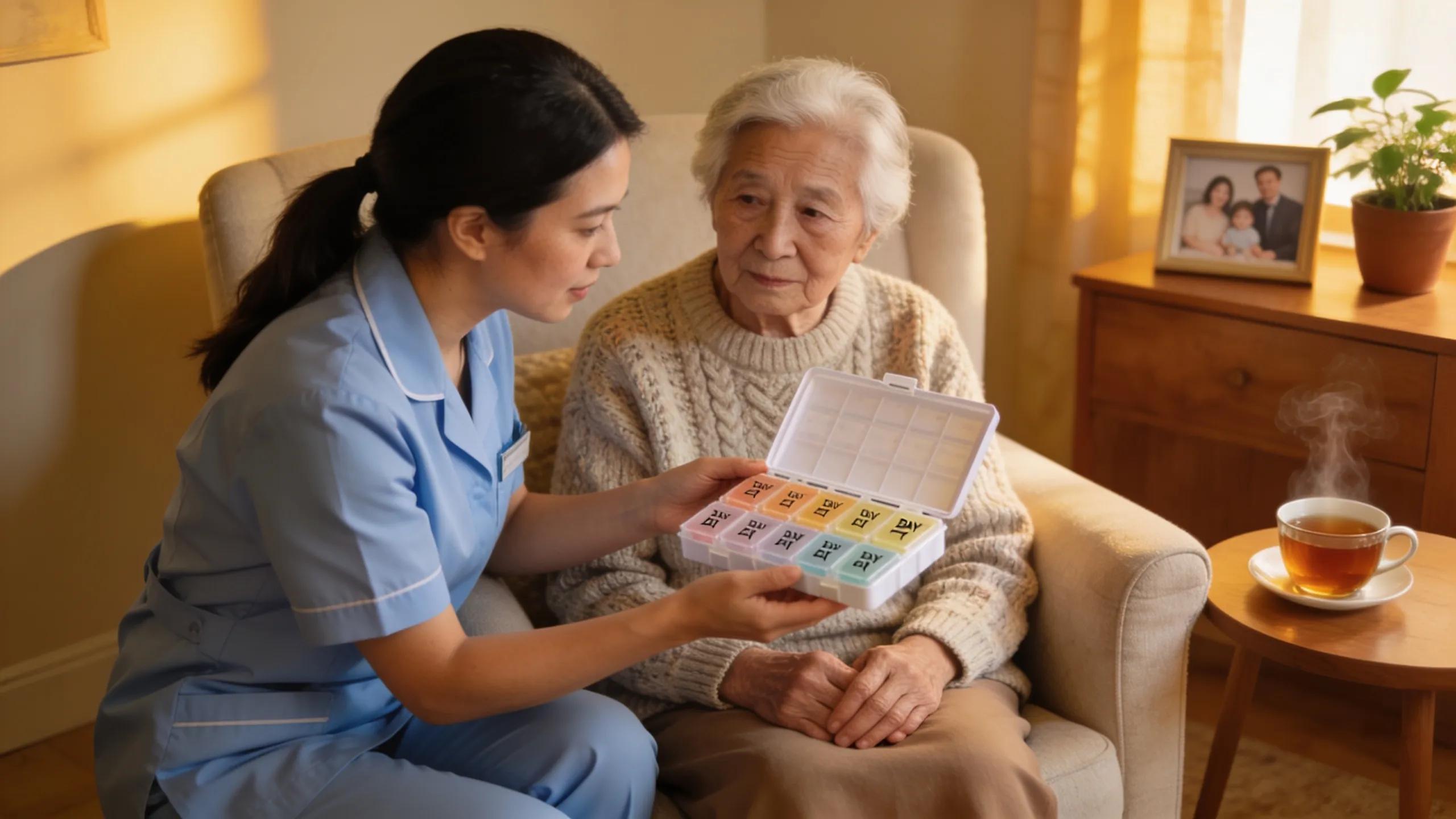
Medication safety assessments are a core part of quality home care. As more older adults receive care at home, medication regimens often become more complex — increasing the chance of mistakes, interactions, and missed doses. This guide explains why assessments matter, how they’re carried out in home-care settings, and how they improve outcomes for seniors. You’ll also find practical links to our medication management resources for families and caregivers. We cover the tools, caregiver responsibilities, regulatory expectations, and common challenges such as polypharmacy.
Each section breaks down the key goals and benefits of medication safety assessments, including steps to boost adherence, reduce medication-related harm, and help seniors stay safely independent at home.
What is a Medication Safety Assessment for Seniors in Home Care?
A medication safety assessment in home care is a structured review that aims to make a senior’s medication use safer and more effective. It typically includes a full inventory of medications, checks for potential drug interactions or side effects, and evaluation of how well the person is taking their medications. The assessment’s primary purpose is to spot and reduce risks that can lead to adverse events, hospital visits, or declines in quality of life. When done well, these reviews support better health, fewer preventable complications, and greater peace of mind for patients and families.
Why are medication safety assessments crucial for elderly patients?
Seniors often manage multiple conditions and complex drug regimens, which raises the risk of interactions and dosing mistakes. Medication safety assessments help identify those risks early, ensure treatments remain appropriate, and support independence by making medication routines clearer and easier to follow. Without regular assessments, problems can go unnoticed and lead to avoidable harm. Proper reviews reduce those risks and help seniors get the intended benefit from their medications.
Research highlights specific safety challenges for medication use in home healthcare, where care environments and informal caregivers differ from institutional settings.
Medication Safety in Senior Home Healthcare
Patient safety is a global priority, and medication safety is one of the highest-risk areas. Much past research focuses on institutional care; those findings don’t always translate to home care. The home setting presents unique challenges for older adults who often manage multiple chronic conditions and complex medication schedules.
Seniors managing multiple medications: using mixed methods to view the home care safety lens, M Macdonald, 2015
What are the core components of a medication safety assessment?
A thorough assessment typically includes a complete medication list (prescription, over‑the‑counter, supplements), a review for interactions and side effects, and an adherence check. Caregiver observations are essential because they often spot issues the patient may not report. Key steps include keeping an up-to-date list, identifying polypharmacy risks, and educating the senior and family about how and when to take each medication. Addressing these components helps prevent errors and supports safer, more effective medication use.
How Does Medication Management and Review Enhance Senior Medication Safety?
Regular medication reviews make sure treatments remain suitable as health needs change. A proactive approach lets caregivers and clinicians adjust doses, stop unnecessary drugs, and reinforce correct use.
-
Consistent Monitoring: Routine checks help detect interactions or adverse effects early so providers can act before problems escalate.
-
Individualized Care: Customizing medication plans to a senior’s health status and daily routine improves effectiveness and the chance they’ll follow the plan.
-
Education and Support: Clear, repeated teaching about what medicines do and what side effects to watch for empowers seniors and caregivers to manage care safely.
These practices strengthen communication and trust between caregivers, patients, and clinicians — and that improves medication safety over time.
What are the Risks of Polypharmacy in Seniors and How Are They Assessed?
Polypharmacy — using many medications at once — increases the likelihood of harmful interactions, confusing schedules, and cumulative side effects. Assessing polypharmacy requires a full medication review to identify duplications, unnecessary therapies, or drugs that could be tapered safely. Addressing these risks helps preserve function and reduces the chance of medication-related hospitalizations.
Studies across home care populations emphasize how common and complex polypharmacy can be, especially where multiple providers are involved.
Polypharmacy Among European Home Care Patients
Home care patients frequently present with multimorbidity and high medication use. This study looks at how widespread polypharmacy is among home care recipients in Europe and identifies factors linked to higher medication counts.
Polypharmacy in home care in Europe: cross-sectional data from the IBenC study, S Giovannini, 2018
What defines polypharmacy risk assessment for elderly patients?
A polypharmacy risk assessment reviews every medicine a patient takes to flag interactions, unnecessary prescriptions, and overlapping therapies. Common drivers include multiple chronic conditions, fragmented care across clinicians, and poor coordination or communication. Identifying these drivers lets teams simplify regimens and prioritize medications that deliver the most benefit with the least harm.
Global data on geriatric home care further illustrate how frailty and polypharmacy intersect and affect care planning.
Geriatric Home Care: Frailty and Polypharmacy Epidemiology
An ageing global population presents challenges for home-based geriatric care. This epidemiological analysis from Madinah examines frailty and polypharmacy among older home care patients and discusses implications for optimizing care.
Frailty and polypharmacy among geriatric home care patients: an epidemiological analysis and implications for optimised care, KA Aljohani, 2025
How can caregivers detect and manage medication interactions in polypharmacy?
Caregivers are often the first to notice problems and can take practical steps to manage interactions:
-
Regular Medication Reviews: Schedule routine reviews with the care team to reassess each drug’s need and safety.
-
Education on Signs of Interactions: Teach caregivers and patients which symptoms — dizziness, confusion, falls, or new nausea — should prompt contact with a clinician.
-
Leverage Technology: Use apps, electronic records, or reminder systems to track doses and alert caregivers to missed or duplicate medications.
These measures reduce risk and make it easier to detect problems early.
How Do Caregiver Roles Support Medication Adherence and Safety?
Caregivers help translate medical plans into daily routines: they organize doses, observe for side effects, communicate with prescribers, and coach seniors through changes. When caregivers are informed and supported, medication adherence improves and safety issues are addressed faster.
What responsibilities do caregivers have in medication safety assessments?
Caregivers should help compile and maintain an accurate medication list, monitor adherence, and report changes or concerns to the healthcare team. They also support patient education and coordinate with family members to ensure a consistent approach to medication management. Involving caregivers in reviews strengthens the safety net around the senior.
What training and tools help caregivers improve elderly medication adherence?

Training and practical tools make a big difference. Effective resources include:
-
Medication Management Courses: Workshops that cover common drug classes, side‑effect recognition, and safe administration practices.
-
Adherence Tools: Pill organizers, timed dispensers, and reminder apps that simplify daily routines.
-
Support Networks: Peer groups and professional forums where caregivers can share solutions and access expert advice.
These resources help caregivers feel confident and better able to support seniors’ medication routines.
Which Technology and Tools Enhance Medication Adherence for Seniors at Home?
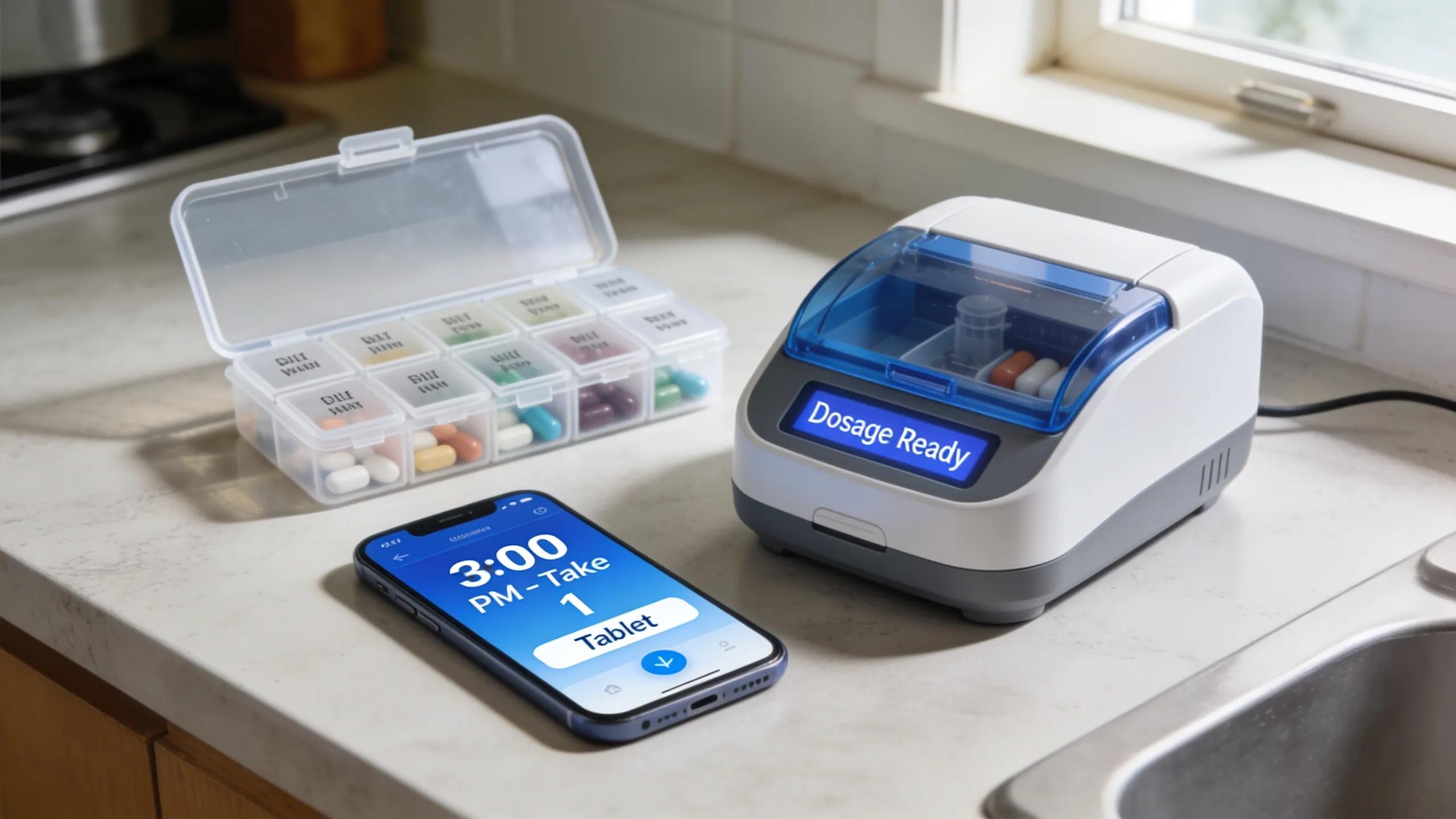
Technology can simplify complex regimens and provide timely reminders. Devices and platforms designed for older adults focus on clarity, reliability, and caregiver visibility.
What are the most effective medication adherence tools for home care seniors?
Useful tools include:
-
Pill Organizers: Low-tech, low-cost organizers that make daily dosing clearer.
-
Smartphone Apps: Apps that send reminders and track when medications are taken.
-
Automated Dispensers: Devices that release the correct dose at scheduled times and can alert caregivers if doses are missed.
Choosing the right combination of tools depends on the senior’s comfort with technology and the complexity of the regimen.
How do home care agencies integrate technology in medication safety protocols?
Agencies use technology to centralize medication records, monitor adherence remotely, and improve communication between caregivers and clinicians. Common strategies include:
-
Centralized Databases: Shared medication lists accessible to all caregivers to prevent errors and duplication.
-
Remote Monitoring: Systems that flag missed doses or unusual patterns so staff can follow up quickly.
-
Educational Tools: Online resources and telehealth visits that support ongoing coaching for patients and caregivers.
When technology complements strong clinical oversight, medication safety in home care improves measurably.
What Regulatory Standards and Guidelines Govern Senior Medication Safety in Home Care?
Federal and national agencies provide guidance and standards that shape medication safety practices in home care. Agencies such as the CDC, NIH, and CMS publish recommendations that encourage regular medication reviews, comprehensive documentation, and staff training to protect patients and maintain quality of care. Home care providers use these frameworks to design protocols and ensure consistent, safe practice.
Which recent CDC, NIH, and CMS guidelines apply to medication safety assessments?
Recent guidance stresses individualized medication management: regular reviews, patient and caregiver education, and coordinated care across providers. Following these recommendations helps agencies reduce risk and deliver person-centered care. Complementary services such as meal preparation and diet planning can support medication effectiveness and overall health.
How do regulations influence home care agency practices for medication management?
Regulations require agencies to maintain clear policies on medication administration, staff competencies, and monitoring. Compliance means having documented protocols for reviews, training staff on safe practices, and communicating effectively with patients and families. Services like transportation and errands and companionship and recreation often work alongside medication plans to promote a holistic, coordinated approach to care.
Frequently Asked Questions
1. What are some best practices for medication safety assessments in home care?
Best practices include performing comprehensive medication reviews, keeping an accurate and accessible medication list, training caregivers, and maintaining open communication with prescribing clinicians. Using technology such as management apps or shared electronic records can help track adherence and alert teams to changes in a patient’s condition.
2. How can family members contribute to medication safety for seniors?
Family members can support safety by staying informed, helping maintain up-to-date medication lists, assisting with organization, and advocating for regular medication reviews. Their involvement reinforces continuity of care and helps catch issues early.
3. What role does patient education play in medication adherence?
Education is central to adherence. When seniors understand what each medication does, how to take it, and what side effects to expect, they’re more likely to follow the regimen. Ongoing conversations with caregivers and clinicians help reinforce this understanding.
4. What challenges do caregivers face in ensuring medication adherence?
Caregivers often contend with complex schedules, cognitive decline in patients, communication gaps between providers, and resistance from seniors who may be wary of medications. Addressing these challenges requires patience, clear communication, and the right tools to simplify routines.
5. What technologies are emerging to assist in medication management for seniors?
Emerging solutions include smart dispensers that control access to doses, apps that track and remind users about medications, and telehealth systems that enable clinicians to monitor adherence and adjust therapy remotely. These tools aim to reduce errors and support timely interventions.
6. How are healthcare policies evolving to address medication safety in home care?
Policies are shifting toward personalized, coordinated care with a focus on regular medication reviews, improved caregiver training, and better information sharing between providers. These changes seek to reduce preventable adverse events and support safer care at home.
7. Why is it important to involve healthcare professionals in medication safety assessments?
Healthcare professionals bring pharmacological expertise needed to evaluate complex regimens, identify interactions, and recommend safe adjustments. Their involvement ensures assessments are clinical, evidence-based, and tailored to each senior’s health needs.
Conclusion
Comprehensive medication safety assessments are vital to protecting seniors who receive care at home. By combining thoughtful clinical review, caregiver engagement, and appropriate technology, agencies and families can reduce medication-related risks and improve daily functioning. If you care for a senior, consider regular medication reviews and use available resources to strengthen safety and independence. Explore our materials to learn practical steps for improving medication safety for seniors in home care today.
