


In-home medication management helps seniors stay healthy and independent. These services offer practical support for adherence, lower the risk of medication errors, and boost overall wellbeing. Many seniors juggle multiple prescriptions and complex schedules, which can cause problems. This guide explains clear strategies—from organising meds to talking with healthcare providers—so families can improve safety and quality of life for their loved ones.
Comprehensive Guide on Safe and Effective Medication Adherence for Seniors Utilizing In-Home Medication Management Services
Following prescribed medication regimens prevents complications. In-home services make adherence simpler through organisation, monitoring, and clearer communication with healthcare teams. Caregivers play a central role by helping keep schedules and answering medication questions.
The Pivotal Role of Family Caregivers in Older Adult Medication Adherence
Family caregivers are central to medication adherence for older adults, especially in Asian settings. Research identifies caregivers as a form of family support that influences adherence, though the strength of that link varies. Recognising the multiple ways caregivers affect adherence is important when designing strategies to improve medication use in Asian contexts.The role of family caregivers in medication adherence of elderly in Asian setting: a scoping review, 2023
Medication Organization

Good organisation matters: pill organisers, simple routines, and caregiver-prepared trays with set reminder times help seniors take medicines as prescribed.
Monitoring
Monitoring means observing and recording medication intake. Caregivers help ensure doses are taken on time and can use smartphone alerts, pill boxes, or calendars to support consistency.
Effective Communication with Healthcare Providers
Clear, regular communication with healthcare providers supports safe medication use. Caregivers should report side effects, share updates on health, and brief clinicians about new or changed prescriptions.
Promoting Independence
In-home medication management supports self-care while offering backup from caregivers. Services aim to help seniors take proactive steps and retain control over their daily care.
Peace of Mind for Families
Families gain reassurance knowing caregivers oversee medication tasks, reducing missed doses and side-effect worries so they can focus on time with their loved ones.
What Are In-Home Medication Management Services for Seniors?
These services give seniors practical help to manage prescriptions safely and consistently, with defined roles and tasks designed to support adherence and health outcomes.
Purpose
The main purpose is to help seniors follow prescribed regimens accurately to prevent complications from missed or incorrect doses. Tailored support helps sustain overall health and wellbeing.
Specific Services Offered
They include targeted services to meet seniors’ needs, such as:
-
Medication reminders concentric_0 to ensure timely administration.
-
Organization and scheduling support to manage multiple prescriptions effectively.
-
Health assessments to evaluate medication effects and integration into overall health plans.
Benefits for Seniors
In-home medication management improves health outcomes and quality of life by:
-
Promoting independence by giving seniors tools to manage their own health.
-
Reducing the risk of non-compliance through personalized support and reminders.
-
Increasing safety by ensuring that medications are taken as directed and minimizing errors.
For those interested in quality medication adherence services, the “medication adherence services” provides tailored support and resources to help seniors navigate their health care needs.
Enhancement of Medication Adherence
Structured programmes that combine oversight and encouragement help seniors stick to regimens. In-home services make sure seniors have the tools and support they need to manage their health.
How Do Home Health Care Medication Help Services Work?
These services coordinate caregivers to assist with medications, tailoring support to each senior’s health profile and schedule to promote compliance.
Who Provides Medication Management Support for Seniors at Home?
Roles of Service Providers
Caregivers’ roles vary and include:
-
Organizing medications.
-
Setting up reminders.
-
Communicating with healthcare providers regarding the senior’s well-being.
Examples of Service Delivery
Delivery methods include in-home visits, phone check-ins, and telehealth consultations to improve access and support.
What Are the Common Medication Adherence Challenges for Elderly Patients?
Seniors face challenges such as:
-
Memory issues that can lead to forgotten doses.
-
Complex medication regimens that create confusion over when and how to take medications.
How Do Medication Management Services Improve Safety and Health Outcomes?
By reducing medication errors, regular monitoring and caregiver support lower the risks from incorrect doses and missed medications, improving safety and outcomes.
What Technology Tools Enhance Medication Safety in Senior Home Care?
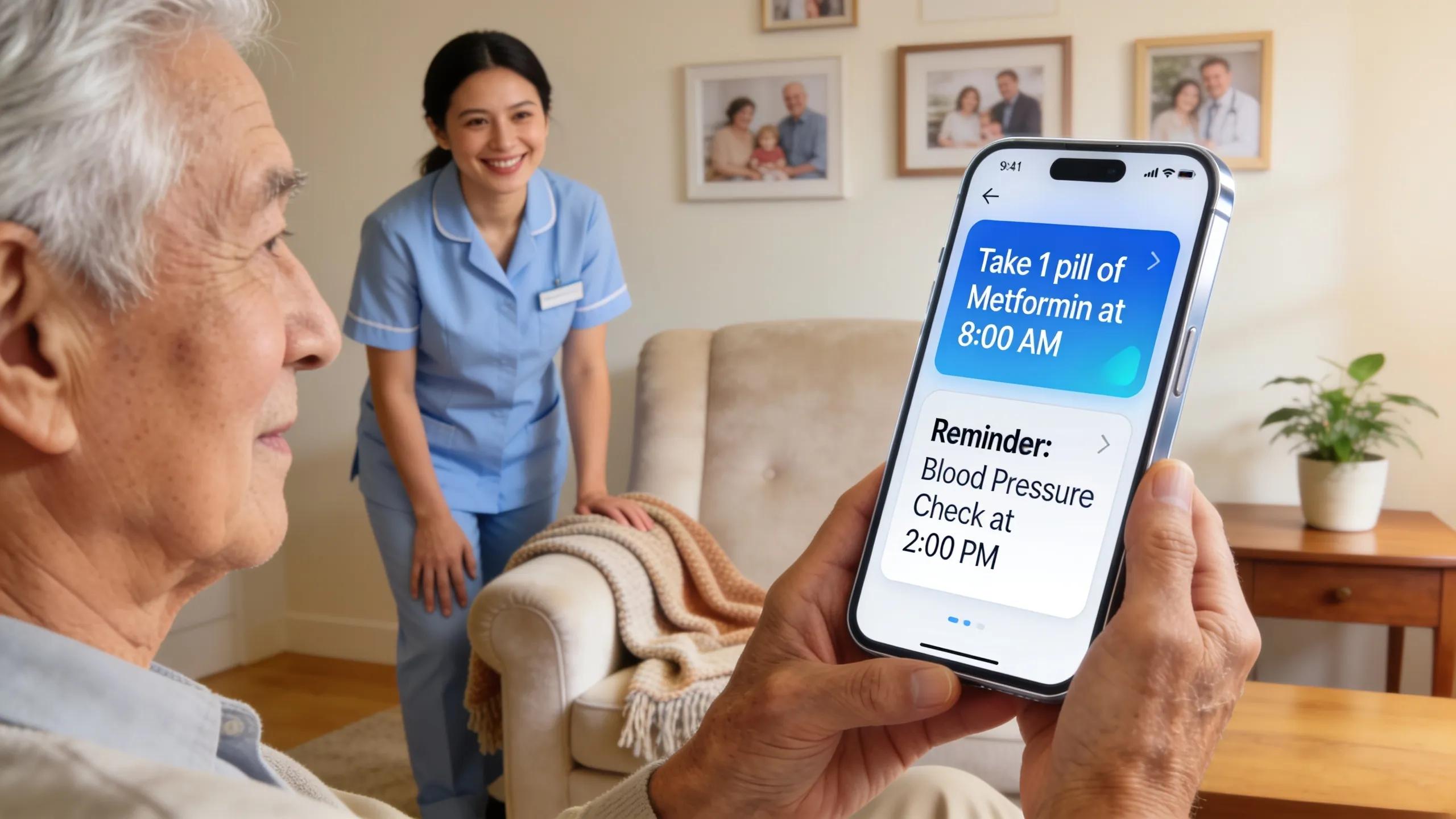
Tools that enhance safety include:
-
Medication reminders, which use alarms or notifications.
-
Monitoring devices that track adherence and notify caregivers of discrepancies.
How Are Medication Reminders and Monitoring Devices Used?
Automated reminders alert seniors at dose times, while monitoring devices notify caregivers if a dose is missed.
What Are the Benefits of Integrating Technology with Caregiver Support?
Combining technology with caregiver support boosts efficiency, improves communication, and enables quick interventions when problems occur.
How Does the Greater Houston Home Care Association Support In-Home Medication Management?
The Greater Houston Home Care Association (GHHCA) provides resources tailored to support seniors in medication management. Their commitment to enhancing senior health outcomes makes them a leader in the field.
What Unique Services Does GHHCA Offer for Senior Medication Help?
GHHCA provides comprehensive, tailored support that combines medication management with other home care services to promote holistic health and independence.
How Does GHHCA Integrate Medication Management with Other Home Care Services?
GHHCA combines medication management with various home care services so seniors receive complete support for their health needs, fostering a sense of security and care.
What Are the Costs and Coverage Options for Senior Medication Management Services?
Understanding costs helps families plan. Various options are available, and many insurances provide coverage for these services.
Are In-Home Medication Management Services Covered by Insurance or Medicare?
Medicare and other insurance plans may cover in-home medication management under certain conditions; consult a healthcare provider to determine specific coverage.
How Can Families Access Affordable Medication Scheduling Assistance?
Families can find affordable assistance through local agencies that specialise in senior care, sliding-scale fees, or community programs that reduce out-of-pocket costs.
Where Can Seniors Find Reliable In-Home Pharmacy and Medication Management Services?
What Should Seniors and Families Look for in a Medication Management Provider?
Seniors and families should consider factors such as:
-
Qualifications of caregivers, ensuring they are skilled and knowledgeable.
-
Services offered, verifying that they meet the specific needs of seniors.
-
Reviews and recommendations from other families.
How Does GHHCA Connect Seniors with Trusted Local Caregivers?
GHHCA connects seniors with local caregivers through an extensive network and vetting process, giving families confidence that care is compassionate and reliable.
Frequently Asked Questions
What are the signs that a senior may need medication management assistance?
Signs include confusion about medication regimens, frequent missed doses, trouble managing multiple prescriptions, unreported side effects, or needing reminders. Noticeable changes in health or behaviour can also indicate a need for extra support.
How can families support seniors in using medication management services?
Families can help by keeping communication open, organising medications, setting up pill organisers or alarms, encouraging regular check-ins with caregivers, and staying involved in healthcare conversations.
What impact can medication mismanagement have on seniors’ health?
Poor medication management can lead to hospital admissions, worsening health conditions, dangerous drug reactions or interactions, and a reduced quality of life due to increased anxiety and healthcare use. Effective medication management helps prevent these outcomes.
How often should seniors have their medication regimens reviewed?
Medication regimens should be reviewed at least annually and whenever a new medication is started or stopped; more frequent reviews may be needed based on individual health changes.
Are there any alternatives to in-home medication management services?
Alternatives include community workshops, pharmacy synchronisation or counselling, support groups, and online resources. These options may not match the personalised care of in-home services but can still support better medication management.
What role does technology play in supporting medication management?
Apps can send dose reminders, automated dispensers deliver correct doses, telemedicine simplifies consultations, and monitoring tools let caregivers track adherence so seniors stay on schedule.
Conclusion
In-home medication management improves seniors’ adherence and independence, reduces medication errors, and strengthens communication with healthcare providers. Families can feel reassured that tailored assistance supports their loved ones’ safety and wellbeing when managing medications.
