

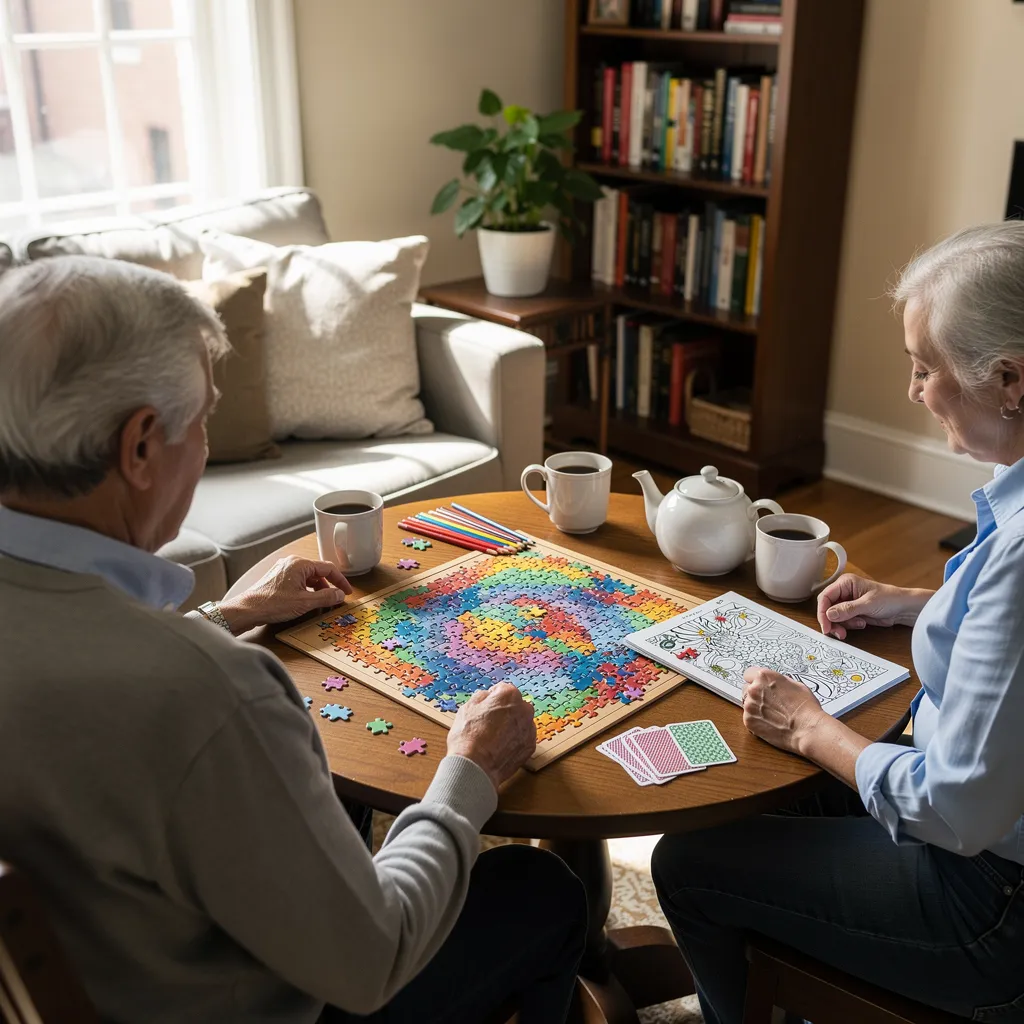
When it comes to How Can You Ensure My Senior Loved One Remains Engaged in Recreational Activities?, consistent engagement combines companionship, structured activities, and social connection. Gentle Hearts Home Care offers Companionship and Recreation services across the Greater Philadelphia Metro Area, pairing caregivers with seniors for
What Do You Need to Get Started?
Getting a senior loved one engaged in recreational activities starts with a simple conversation, not an elaborate plan. Families often think that meaningful engagement requires specialized equipment or a packed schedule, when in reality it can start with a simple conversation. The real groundwork is smaller: understanding what a parent enjoys, what a parent can still do, and how much support fits naturally into the day. Gentle Hearts Home Care lists companionship and recreation among its core home care services, built to weave purposeful activity into everyday routines rather than treat it as an afterthought.
Timing matters before any activity gets scheduled. Loneliness and social isolation damage overall health, so waiting until withdrawal has already set in makes reengagement much harder. Starting early protects wellbeing before isolation takes hold.
With that urgency in mind, families can prepare using these steps:
- Schedule an initial conversation with a Gentle Hearts caregiver to discuss hobbies, interests, and physical limitations.
- Share details about the loved one’s daily routine so activities fit naturally into existing habits.
- Point out tasks the older adult can still handle independently, so caregivers support rather than take over.
- Allow caregivers time to observe preferences during early visits and adjust activity choices accordingly.
What information should caregivers know before planning activities?
Caregivers need a clear picture of strengths, preferences, and daily routines before suggesting anything. This attention shapes every recommendation, from a favorite card game to a familiar walking route, and reflects a belief that care should honor independence, not just support it.
Does the plan need to stay fixed once activities begin?
No plan should stay rigid. Interests shift, energy levels change, and caregivers adjust recommendations as they get to know each client better over time.
How Do You Find the Right Activities?
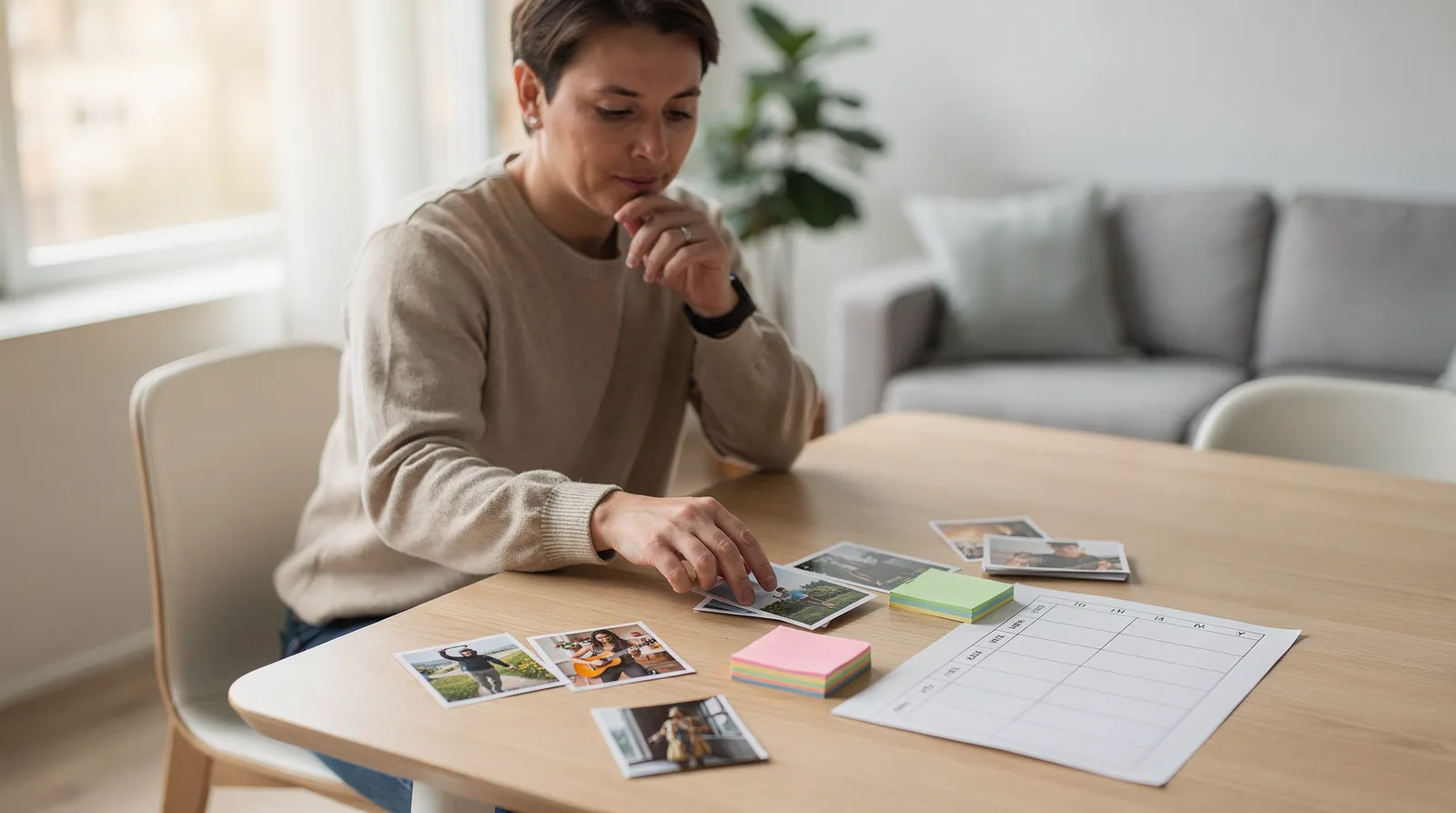
Families find the right recreational fit by matching activities to a senior’s current abilities, interests, and energy level, then adjusting as needs change. A mismatched activity leads to frustration, disengagement, or even injury, while the right one restores confidence and daily purpose. Gentle Hearts Home Care Agency guides this process alongside families across Greater Philadelphia so keeping a senior loved one engaged in recreational activities becomes a shared, manageable effort rather than a guessing game.
Follow these steps to identify activities that fit:
- Assess mobility, memory, and stamina honestly before selecting an activity.
- List past hobbies and interests the senior once enjoyed regularly.
- Introduce one new activity at a time to gauge interest and comfort.
- Schedule activities during the senior’s highest-energy hours of the day.
- Adjust or swap activities as health or mood shifts week to week.
Suitable options tend to feel both doable and enjoyable. Consider:
- Walking or light outdoor movement
- Gardening
- Yoga or gentle stretching
- Brain games and puzzles
- Crafts
- Volunteering
- Reading
- Social outings
What if a parent resists trying new activities?
Resistance often signals fear of failure rather than lack of interest. Caregivers support tasks a senior can already complete independently, preserving confidence instead of taking over unnecessarily. When an activity calls for more guidance or hands-on help, caregivers step in with warmth and dignity, easing the transition without stripping away control.
How much caregiver support does activity engagement require?
Support levels vary by household. Gentle Hearts connects families with professional, skilled caregivers through various support options, allowing for flexible activity involvement based on individual needs.
How Do You Build a Weekly Routine?

Building a weekly routine starts with mapping out activity types across seven days, not filling every hour with a single pastime. Families who skip this step often watch enthusiasm fade fast, leaving a senior loved one bored, isolated, or physically deconditioned within weeks. A structured plan keeps a senior loved one engaged in recreational activities consistently rather than sporadically.
Follow these steps to design a realistic weekly schedule:
- List the senior’s current interests and physical limits before choosing activities.
- Assign one aerobic activity (a short walk or dance session), one strength-building task, and one balance exercise across the week, matched to the individual’s health and abilities.
- Fill remaining days with lower-effort solo pursuits — reading, puzzles, gardening, photography, or a quiet walk — to balance busier social days.
- Schedule caregiver support around hourly, overnight, or 24-hour live-in coverage, so activities happen on days someone is actually present to assist.
- Review the plan monthly and adjust for energy shifts or new interests.
What Types of Activities Should Fill the Week?
A well-rounded schedule blends movement, mental stimulation, and quiet time rather than repeating the same task daily. Aerobic, muscle-strengthening, and balance activities protect physical function. Solo hobbies like puzzles or gardening give the mind a gentler outlet between busier days.
How Does Care Level Affect Scheduling?
Care level determines how much of the routine a family can realistically staff. Because caregivers can provide hourly, overnight, or 24-hour live-in support, families build recreation schedules around actual coverage instead of guesswork. Gentle Hearts Home Care, based in Clifton Heights, Pennsylvania, gives Greater Philadelphia families local support in coordinating these schedules week to week.
How Do You Keep Engagement Consistent Over Time?
Consistency grows from steady attention, not one-time effort. Caregivers who track a client’s shifting moods, energy levels, and interests can adjust activities before boredom sets in. For families wondering, “How Can You Ensure My Senior Loved One Remains Engaged in Recreational Activities?” the answer lies in ongoing observation paired with genuine respect for each person’s routines and preferences.
Gentle Hearts caregivers build this consistency through a deliberate process:
- Learn daily rhythms first. Caregivers note when a client feels most alert, social, or tired before suggesting activities.
- Honor independence, not just accommodate it. Care that only supports independence falls short; care that actively honors it keeps motivation strong for months and years.
- Rotate activity types. Mixing social visits, creative hobbies, and brain games prevents the fatigue that comes from repeating the same task daily.
- Reassess regularly. Interests change with health, season, and mood, so caregivers revisit preferences rather than assuming they stay fixed.
Why does variety matter more than frequency?
Frequent activity alone doesn’t guarantee engagement; variety does. Purposeful recreation delivers lasting physical, emotional, and cognitive benefits, but only when it stays enjoyable rather than repetitive. Seniors who alternate between puzzles, conversation, and hands-on crafts tend to stay curious longer than those given a single repeated task.
Small adjustments compound over time. A caregiver who notices a client tiring of jigsaw puzzles might introduce a card game or a walk around the garden instead. That flexibility, grounded in attentiveness to individual strengths and daily patterns, is what separates fleeting participation from real, sustained engagement.
What Mistakes Should You Avoid?
Common missteps undermine even the best intentions when ensuring a senior loved one remains engaged in recreational activities. Families juggling careers, children, and caregiving duties often try to manage everything alone, without professional, skilled, and compassionate caregiver support. That approach stretches everyone thin and leaves activity planning as the first task to slip.
Several other errors show up again and again in home caregiving:
- Skipping outside help. Relying solely on relatives to organize outings, hobbies, and social visits leaves gaps that professional caregivers are trained to fill.
- Rushing assistance. Pushing a senior through an activity without warmth and dignity discourages future participation and can make hands-on help feel like a burden rather than support.
- Ignoring isolation. Letting loneliness go unaddressed raises the risk of depression and anxiety, which drags down overall health.
- Assuming engagement doesn’t matter. Failing to encourage participation weakens physical and mental well-being and opens the door to preventable health challenges.
Why does isolation make caregiving mistakes worse?
Unaddressed loneliness compounds every other misstep on this list. A senior already withdrawing from social contact needs consistent, gentle encouragement, not sporadic attention squeezed between other responsibilities.
Can family caregivers handle recreation planning alone?
Some families manage short stretches successfully, but sustained engagement usually requires steady, dedicated support. Professional caregivers bring structure and warmth that occasional family visits can’t always provide, reducing the chance that a loved one drifts into isolation or loses interest in activities altogether.
FAQ
How do families get started with recreational engagement?
Families start with a simple conversation with a Gentle Hearts caregiver about hobbies, interests, and physical limitations, then share the loved one’s daily routine so activities fit naturally into existing habits.
Why does timing matter when addressing senior engagement?
Loneliness and social isolation damage overall health, so waiting until withdrawal sets in makes reengagement harder.
How do caregivers choose the right activities for a senior?
Caregivers assess mobility, memory, and stamina, list past hobbies, introduce one new activity at a time, and schedule activities during the senior’s highest-energy hours, adjusting as health or mood shifts.
Why does variety matter more than how often a senior does an activity?
Frequent activity alone doesn’t guarantee engagement — variety does. Rotating between puzzles, conversation, crafts, and outings keeps a senior loved one curious and prevents the fatigue that comes from repeating the same task day after day.
Can family caregivers manage recreation planning without outside help?
Some families manage short stretches on their own, but sustained engagement usually requires steady, dedicated support. Professional caregivers bring structure and warmth that occasional family visits can’t always provide.
How does the level of caregiver support affect activity scheduling?
Because Gentle Hearts caregivers can provide hourly, overnight, or 24-hour live-in support, families build recreation schedules around actual coverage instead of guesswork.
Conclusion
In closing, keeping seniors engaged in recreational activities strengthens their physical health, mental well-being, and sense of purpose. When older adults participate in meaningful pursuits—whether social, creative, or physical—they maintain independence and connection to their communities. At Gentle Hearts Home Care, we recognize that personalized recreation enriches daily life and supports overall wellness. By prioritizing activities that align with individual interests. Abilities, families empower their loved ones to thrive at home with dignity and joy.
