
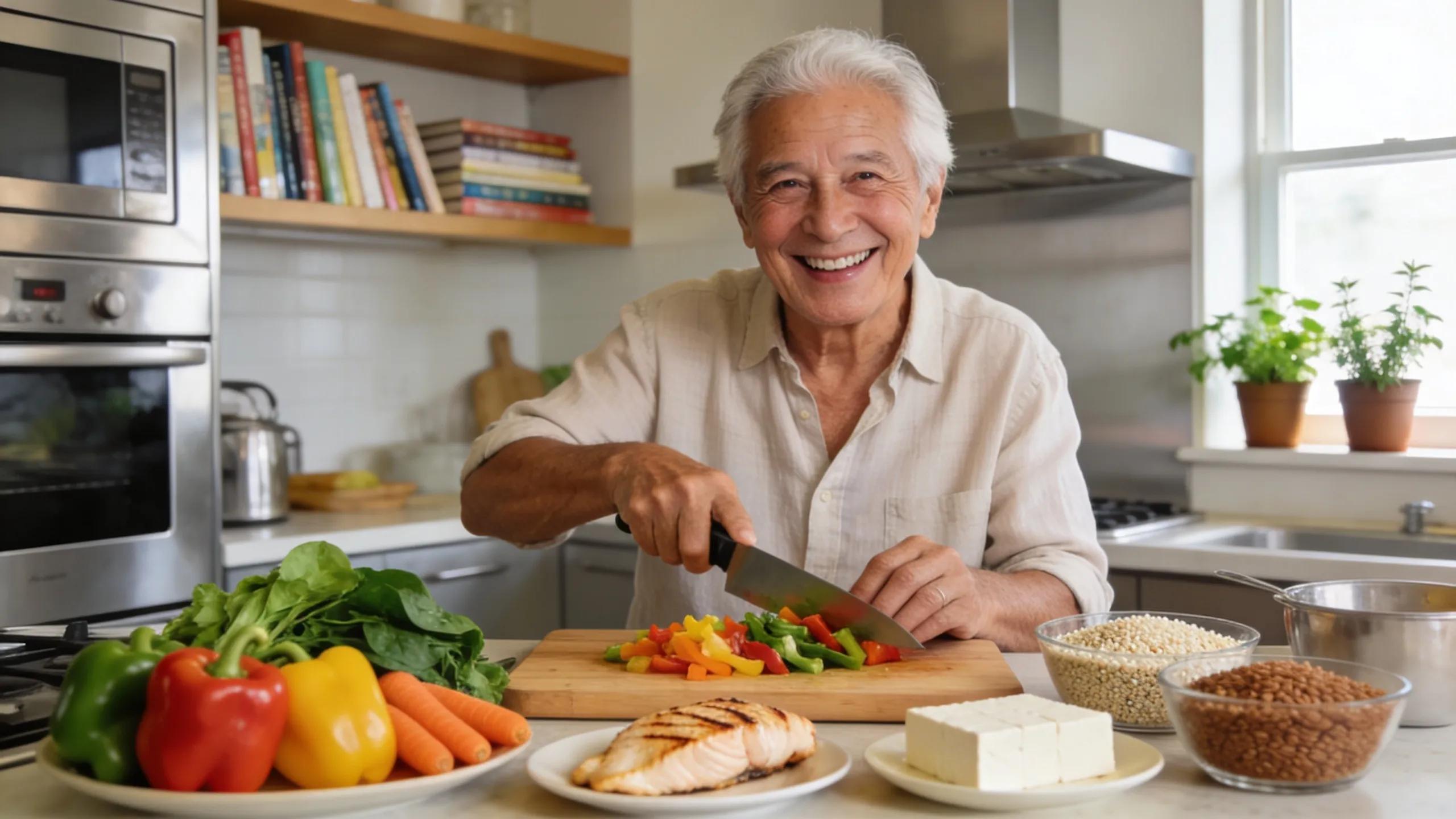
Eating well matters as we get older. Preparing meals for seniors improves nutrition and supports better dietary outcomes. This guide explains how structured meal planning can boost health and preserve independence. Many older adults face physical, cognitive, or dietary barriers that limit access to nutritious food. Practical meal-prep strategies can ease those issues and help ensure seniors receive the nutrients they need, including the support offered by organizations like the Greater Houston Healthconnect Authority (GHHCA).
Benefits of Meal Preparation for Seniors
Planning and preparing meals ahead helps seniors eat balanced diets that meet their nutritional needs.
- Improved Health Outcomes: Proper meal preparations allow for healthier food choices, aiding in weight management and reducing the risk of chronic diseases.
- Sustained Energy Levels: Regular meal preparation provides the energy needed for daily activities, as balanced meals help regulate energy throughout the day.
- Enhanced Independence in Meal Preparation: Encouraging seniors to participate in meal planning and cooking fosters a sense of autonomy and encourages them to make healthier decisions.
Groups such as the Greater Houston Healthconnect Authority (GHHCA) provide resources and assistance that make meal preparation more accessible for seniors and support healthier eating habits.
Nutritional Guidance Tailored to Seniors
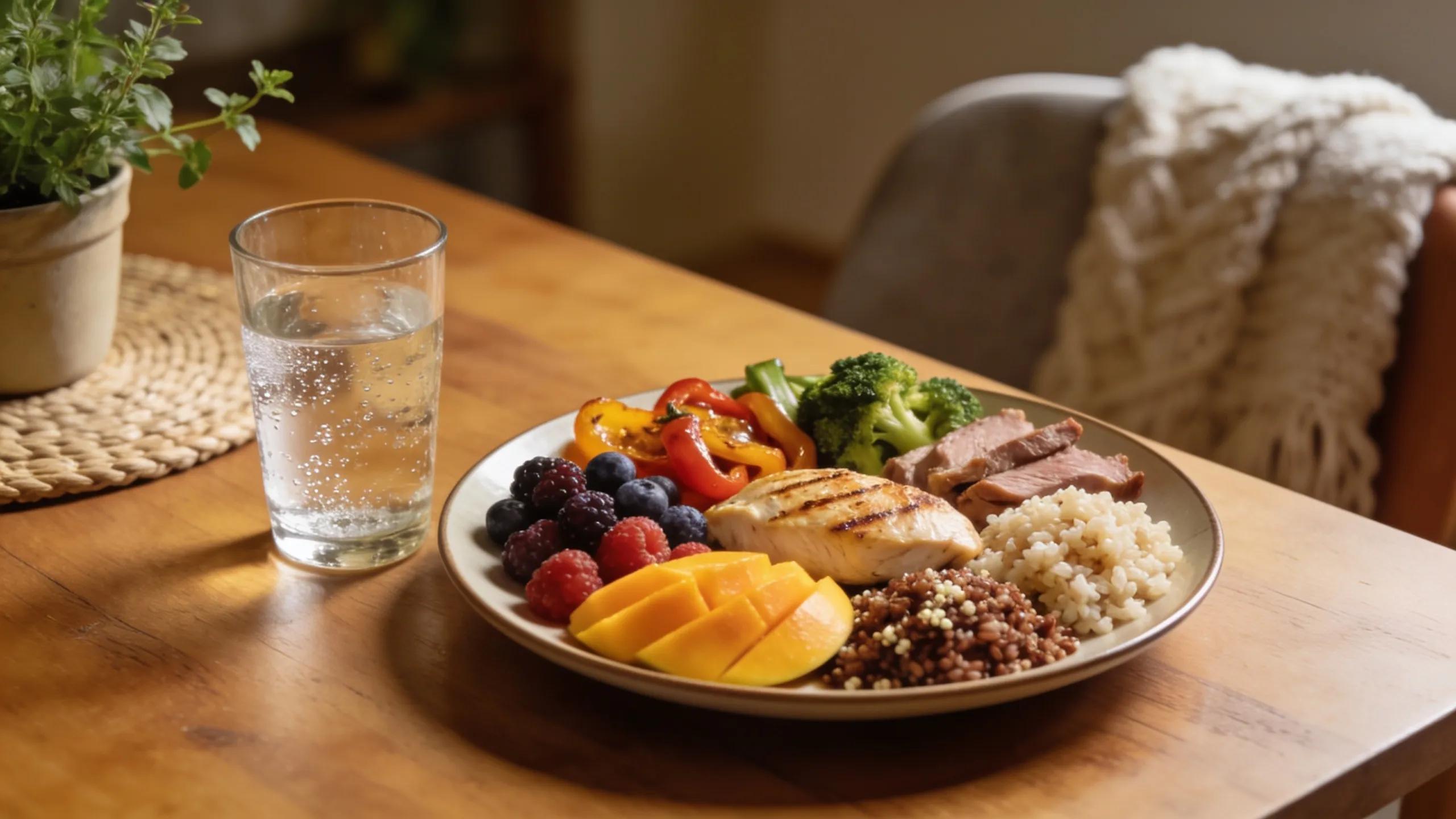
Seniors’ bodies change with age, so nutrition should focus on nutrient-dense foods that meet those shifts.
- Focus on Nutrient-Dense Foods: Seniors should prioritize foods rich in vitamins and minerals while avoiding empty calories from processed foods.
- Individualized Dietary Plans: Recommendations must consider specific health conditions, preferences, and dietary restrictions, ensuring personalized nutrition for optimal health.
- Importance of Hydration: Older adults often face dehydration risks; thus, maintaining proper fluid intake is as critical as other nutrients.
Local elderly nutrition programs play a key role in meeting these needs.
Practical Tips for Effective Meal Planning
Thoughtful meal planning helps seniors enjoy nutritious meals while cutting waste and time in the kitchen.
- Grocery Assistance: Utilizing delivery services or assistance from family can ease the burden of shopping, ensuring access to fresh ingredients.
- Batch Cooking Strategies: Preparing large quantities of meals at once allows for easy reheating and ensures meals are ready when needed.
- Encouraging Senior Involvement in Cooking: Seniors’ participation in meal preparation promotes physical activity and enhances their connection to their diet.
These strategies make meal prep easier and support a healthier lifestyle for seniors.
What Are the Nutritional Needs of Seniors for Healthy Eating?
Older adults need balanced, essential nutrients to stay healthy as their bodies change with age.
- Essential Nutrients for Elderly: Key nutrients include fiber, protein, vitamins D and B12, and minerals such as calcium and potassium.
- Specific Dietary Restrictions: Many seniors face limitations due to health conditions such as diabetes or hypertension, which require tailored meal planning.
- Monitoring Hydration: Ensuring consistent fluid intake is necessary to prevent dehydration, which can have serious health implications.
How Do Nutritional Guidelines for Older Adults Support Healthy Aging?
Guidelines outline a balanced diet—fruits, vegetables, whole grains, and lean proteins—to help seniors maintain health and reduce the risk of chronic disease.
What Common Dietary Challenges Affect Seniors’ Nutrition?
Many seniors face hurdles that make healthy eating difficult.
- Risk of Malnutrition: A lack of nutrient intake can lead to malnutrition, severely affecting elderly health.
- Challenges with Cooking: Physical limitations or cognitive decline can make it difficult for seniors to prepare meals for themselves.
- Accessibility of Healthy Foods: Seniors may struggle to access fresh produce or quality ingredients, impacting their ability to maintain a balanced diet.
Recognizing these barriers helps shape effective meal-prep solutions.
How Does Senior Meal Preparation Improve Dietary Outcomes?
Meal preparation improves seniors’ dietary outcomes by ensuring they receive the nutrients needed for health and wellbeing.
- Enhances Nutrient Intake: Structured meal planning allows for balanced meals that meet seniors’ caloric and nutritional needs.
- Supports Chronic Disease Management: Consistent meal preparation aids in the management of chronic conditions, as nutrient-rich meals can mitigate symptoms and promote health.
- Improves Overall Well-Being: Nutritionally balanced meals contribute positively to mood, energy levels, and overall quality of life for seniors.
In What Ways Do Home Meal Prep Practices Support Balanced Senior Diets?
Preparing meals at home gives seniors control over ingredients and portion sizes, helping them avoid processed foods high in sugar and sodium.
Keeping a well-stocked pantry with healthy staples makes it easier to assemble meals quickly and stick to better dietary habits.
What Are the Measurable Benefits of Prepared Meals for Elderly Health?
Prepared meals can lead to measurable improvements in health.
- Improvements in Health Markers: Regular access to nutritious meals is linked to better health markers, including lower blood pressure and improved glycemic control.
- Reduced Healthcare Costs: Investing in nutrition can lead to reduced healthcare costs by preventing diet-related illnesses.
- Overall Enhanced Life Quality: Prepared meals contribute to improved quality of life, promoting social interactions during meals and increasing overall satisfaction with food.
Which Senior Nutrition Programs Provide Meal Assistance?
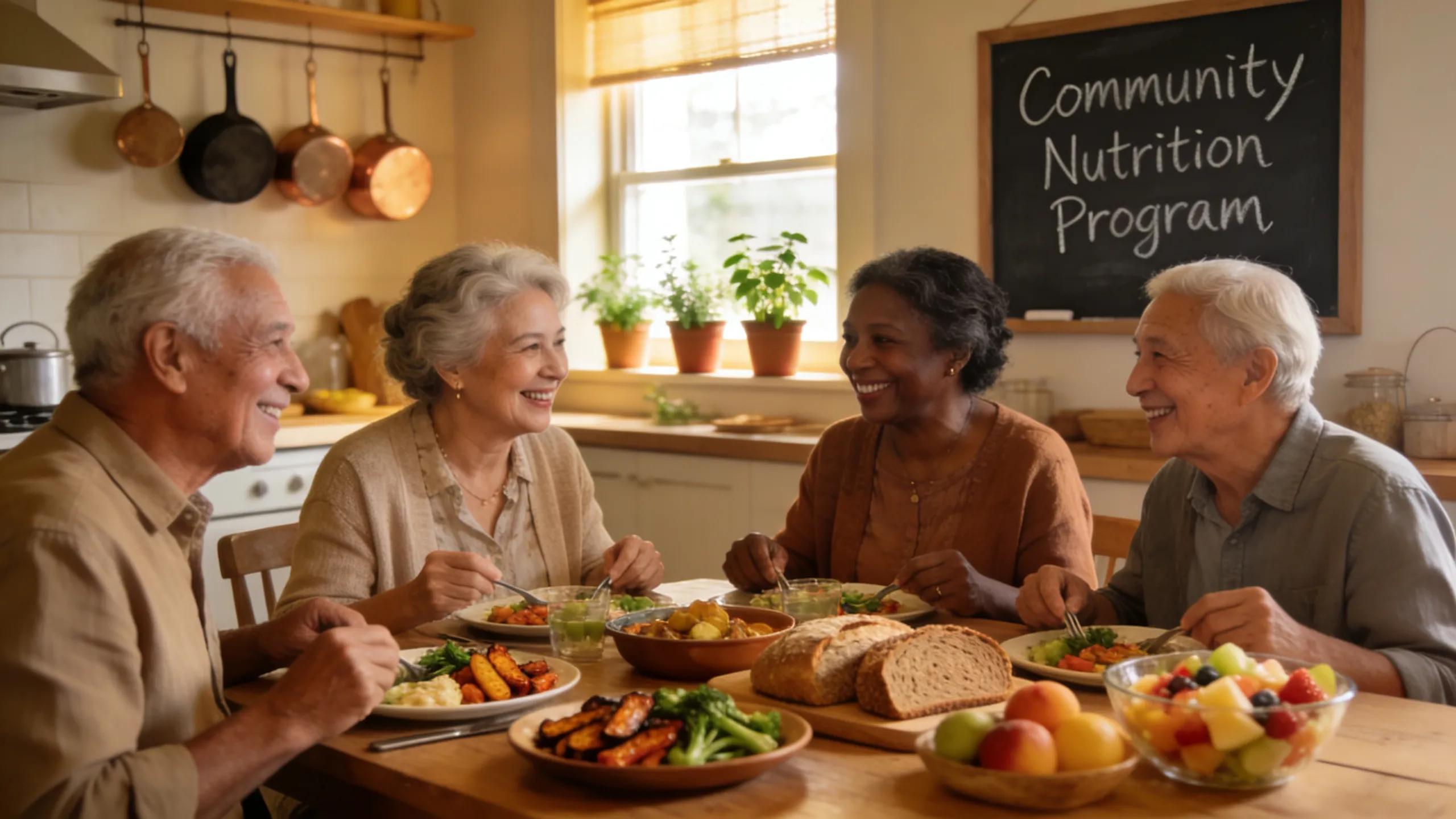
Several programs help seniors access nutritious meals:
- Meals on Wheels: Provides home-delivered meals to seniors who are unable to prepare their own.
- Congregate Meal Programs: Offer community meal sites where seniors can socialize while enjoying nutritious meals.
- Supplemental Nutrition Assistance Program (SNAP): Assists seniors in purchasing groceries to enhance their diet quality.
These programs help make sure older adults get the nutrition they need.
How Can Seniors Access Local Nutrition Assistance Through GHHCA?
Seniors can find nutrition assistance through the Greater Houston Healthconnect Authority (GHHCA) in a few simple steps.
- Steps to Sign Up for Assistance: Seniors can begin by contacting local services for assessments to determine eligibility for various nutrition programs.
- Overview of Available Services: GHHCA provides various resources, including meal delivery, nutrition education, and access to community food programs.
- Role of GHHCA in Local Outreach: GHHCA acts as a vital link between seniors and nutritional resources, enhancing access to healthy meals and education on food choices. The Greater Houston Healthconnect Authority (GHHCA) is a key entity in this outreach.
What Role Do Meal Delivery Services for Elderly Play in Nutrition Support?
Meal delivery services are vital for seniors with mobility or access challenges.
- Convenience Factors: They offer a flexible solution for seniors unable to cook or shop independently.
- Services Provided: Many services deliver fully prepared, healthy meals tailored to meet dietary restrictions and personal preferences, ensuring seniors receive balanced nutrition.
- Impact on Dietary Adherence: The convenience of meal deliveries helps seniors adhere to healthy eating patterns, vital for overall health management.
What Are Effective Healthy Eating Tips for Seniors Preparing Meals at Home?
Seniors cooking at home can use simple tips to boost nutrition and ease preparation.
- Time-Saving Tips: Utilizing tools such as slow cookers or pressure cookers can streamline meal preparation processes.
- Health-Focused Strategies: Incorporating whole grains, vegetables, and lean proteins can elevate the nutritional quality of meals.
- Enjoyment of Meals: Focusing on presentation and flavors can enhance meal experiences, making healthy eating enjoyable.
Which Meal Preparation Techniques Enhance Nutritional Quality for Seniors?
Seniors can use practical techniques to boost meal nutrition:
- Cooking Fresh Ingredients: Prioritize fresh ingredients over processed alternatives to maximize nutrient intake.
- Importance of Portion Control: Understanding portion sizes can prevent overeating and ensure balanced meals.
- Incorporating Hydrating Foods: Including fruits and vegetables with high water content not only contributes to hydration but also provides essential vitamins and minerals.
How to Plan Balanced Meals Tailored to Elderly Dietary Guidelines?
Planning balanced meals for older adults requires routine, attention to portion sizes, and a mix of food groups.
- Setting Meal Times: Establishing regular meal times aids in maintaining a consistent eating schedule.
- Balancing Food Groups: Incorporating a variety of food groups ensures that seniors receive all essential nutrients.
- Importance of Snacks: Healthy snacks can help meet daily nutritional needs and prevent excessive hunger.
How Do Support Services Facilitate Senior Meal Preparation and Healthy Eating?
Support services help seniors prepare meals and maintain healthy eating habits by providing practical help and guidance.
- Types of Support Services: Various services, such as meal prep assistance and nutrition counseling, provide critical support.
- Impact on Senior Health: These services significantly impact health outcomes, as they help seniors access nutritious options and develop better eating habits.
- Findings of Successful Meal Prep: Research indicates that seniors who engage with meal prep support tend to have improved health outcomes and increased dietary adherence.
What Home Health Care Services Assist With Elderly Meal Preparation?
Home health services can help with meal prep in several practical ways:
- Customized Meal Planning: Providers can help in creating meal plans that adhere to individual health needs and preferences.
- Grocery Assistance: Support in grocery shopping can help seniors maintain a well-stocked kitchen with fresh ingredients.
- Hydration Monitoring: These services often include monitoring hydration levels, ensuring that seniors remain adequately hydrated.
Why Is Community Coordination Through GHHCA Critical for Senior Nutrition?
Community coordination, like GHHCA’s work, is essential to improving senior nutrition.
- Impact of GHHCA’s Work: GHHCA provides comprehensive resources and outreach initiatives to ensure seniors have access to nutritious meals.
- Examples of Coordination: They coordinate with local food providers, health services, and community organizations to enhance nutritional access.
- Benefits of Community Meals: Community meal programs foster social interaction and provide a critical lifeline for isolated seniors, promoting both nutrition and social well-being.
Frequently Asked Questions
1. What role does social interaction play in senior meal preparation?
Cooking and eating with others boosts wellbeing and reduces isolation. Shared meals and group cooking make food preparation more enjoyable and encourage healthier choices through support and social connection.
2. How can technology aid seniors in meal preparation?
Apps can organise shopping lists, suggest recipes for specific diets, and set meal reminders. Online grocery delivery removes transport barriers, and smart devices or tablets can simplify cooking tasks so seniors stay engaged and safe in the kitchen.
3. What are some age-related dietary adjustments seniors might need to consider?
Metabolism slows with age, so seniors may need more fiber for digestion, less sodium for blood pressure control, extra protein to preserve muscle, and adequate calcium and vitamin D for bone health.
4. How can seniors manage nutritional information overload?
Stick to guidance from registered dietitians or trusted health organisations. Choose whole foods over processed options, create a simple meal plan with realistic goals, and check in with nutrition experts as needed.
5. Can meal prep help seniors with chronic illness management?
Yes. Structured meal prep lets seniors control ingredients and portions, which helps manage conditions like diabetes, heart disease, or hypertension and supports medical nutrition plans.
6. What impact does meal variety have on senior dietary adherence?
Variety helps meet nutrient needs and keeps meals interesting, which supports long-term adherence. Rotating seasonal ingredients and trying new recipes reduces meal fatigue and improves satisfaction.
7. What community resources are available to assist seniors with meal preparation?
Community resources include senior centres, food banks, nonprofit programmes, Meals on Wheels, communal cooking events, and nutrition workshops—all of which help seniors access healthy food and practical cooking skills.
Conclusion
Meal preparation improves nutrition, independence, and overall health for older adults. Organisations like the Greater Houston Healthconnect Authority can connect seniors to services and support. Visit our resources to learn how meal-prep strategies can make a positive difference.