

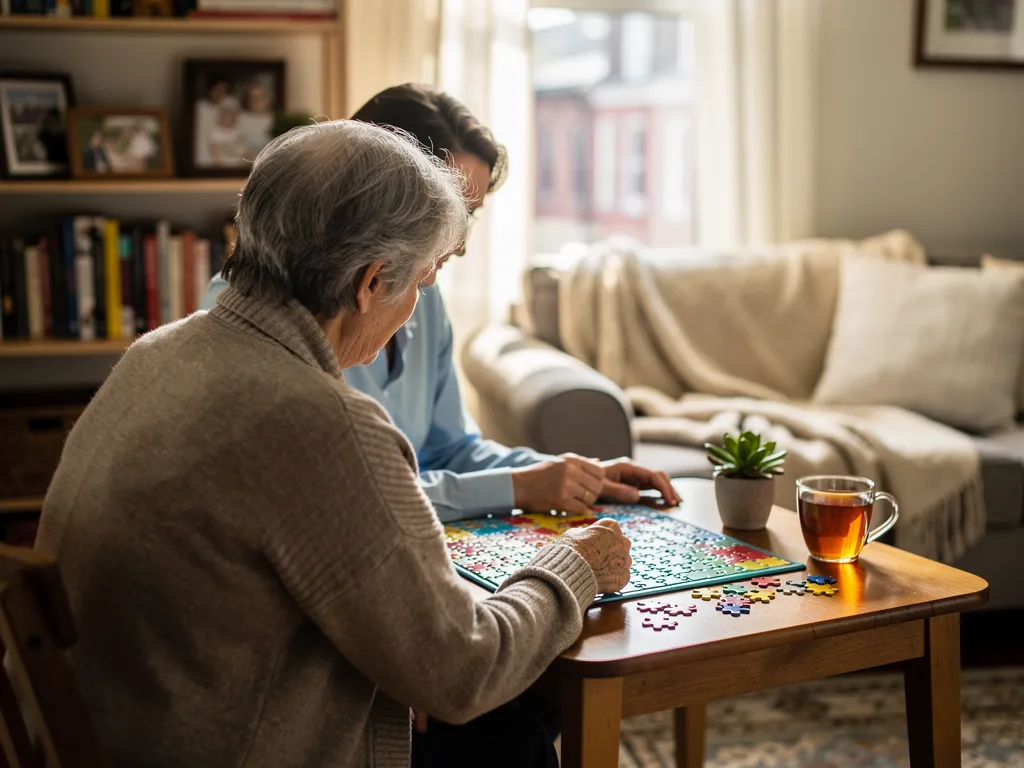
When it comes to Recreational Activities for Elderly Companion Care, companion care from Gentle Hearts Home Care Agency pairs Greater Philadelphia seniors with caregivers for meal preparation, light housekeeping, and recreation tailored to individual interests. Activities include conversation, hobbies, light exercise, and outings that fight isolation and support independence. Care spans hourly visits to 24-hour live-in support across Clifton Heights and the Philadelphia Metro Area.
Why Does Recreation Matter For Seniors?
Recreation shapes daily well-being for older adults far beyond simple entertainment. Isolation and inactivity erode both mood and physical health, while structured engagement reverses that decline. Families searching for meaningful home companion care in Greater Philadelphia often find that recreation is essential, serving as the link between routine caregiving tasks and a genuinely fulfilling life.
Gentle Hearts Home Care connects families with skilled, deeply compassionate caregivers whose mission extends beyond completing chores. Enriching daily life stands at the center of that mission. Recreational activities for elderly companion care appear among the agency’s core specialized services, alongside meal preparation, medication management, and personal care.
Social interaction carries measurable weight for aging adults. Companion care services provide camaraderie that lifts spirits, keeps seniors active, and breaks the cycle of chronic isolation. Recreational activities do more than fill an afternoon — they promote a healthier life, foster social connections, and improve mood.
What Kinds of Benefits Come From Regular Recreation?
Consistent recreational engagement touches several dimensions of a senior’s life at once. Families can expect improvements across these areas:
-
Emotional elevator from reduced loneliness and stronger caregiver bonds
-
Steadier mood tied to social connection and purposeful activity
-
Greater independence supported by caregivers who honor personal preferences and routines
-
A richer daily rhythm built around companionship, not just chores
Why Choose Companion Care Over Task-Only Home Help?
Task-only assistance covers the essentials but leaves emotional needs unmet. Companion care fills that gap by pairing practical support with genuine relationship-building. Seniors who receive this blended approach feel less isolated and stay more connected to daily life. Recreation and companionship work together rather than as an afterthought to chores.
What Types Of Activities Work Best?
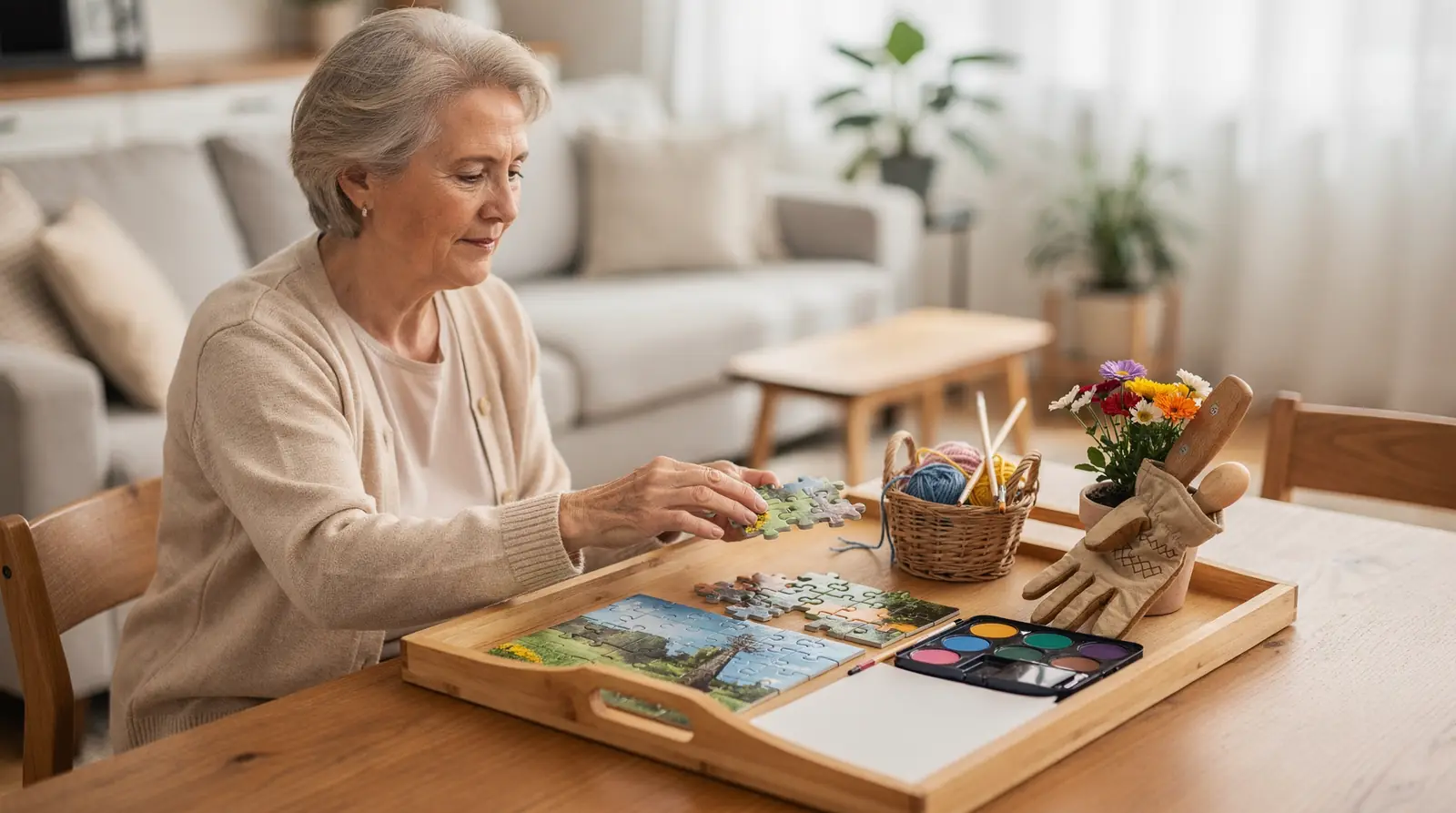
Successful recreational activities for elderly companion care match each senior’s abilities, interests, and daily rhythm rather than following a generic checklist. Gentle Hearts caregivers choose pastimes with careful attention to a client’s unique strengths, preferences, and established routines. A senior who loves gardening needs a different plan than one who prefers puzzles or quiet conversation, and that individual attention shapes every visit.
Movement matters as much as enjoyment. Physical activity functions as a protective factor against noncommunicable disease, lowering risk for cardiovascular disease, stroke, and cognitive decline. Caregivers who weave motion into everyday visits give families more than entertainment; they support long-term health.
What activities are considered fun and safe for older adults?
Low-impact options tend to work best because they build strength without strain. Yoga, swimming, dancing, and leisurely nature walks rank among the most enjoyable choices for seniors and their caregivers alike. Each option can be adjusted for mobility level, pain tolerance, and stamina, so no client feels pushed beyond comfort.
How do caregivers decide which activity fits a specific client?
Caregivers observe daily habits, ask about past hobbies, and note physical limitations before suggesting anything new. The goal stays consistent: honor independence while offering gentle encouragement.
Families in Clifton Heights and the Greater Philadelphia area can expect activity planning built around real preferences, not assumptions. A well-rounded plan typically blends:
-
Gentle movement (walking, stretching, seated yoga)
-
Social engagement (conversation, games, shared meals)
-
Mental stimulation (puzzles, reading, music)
-
Outdoor time when weather and mobility allow
This balanced approach protects both body and mood, giving loved ones consistent, personalized support they can rely on.
How Can Caregivers Personalize Activities?
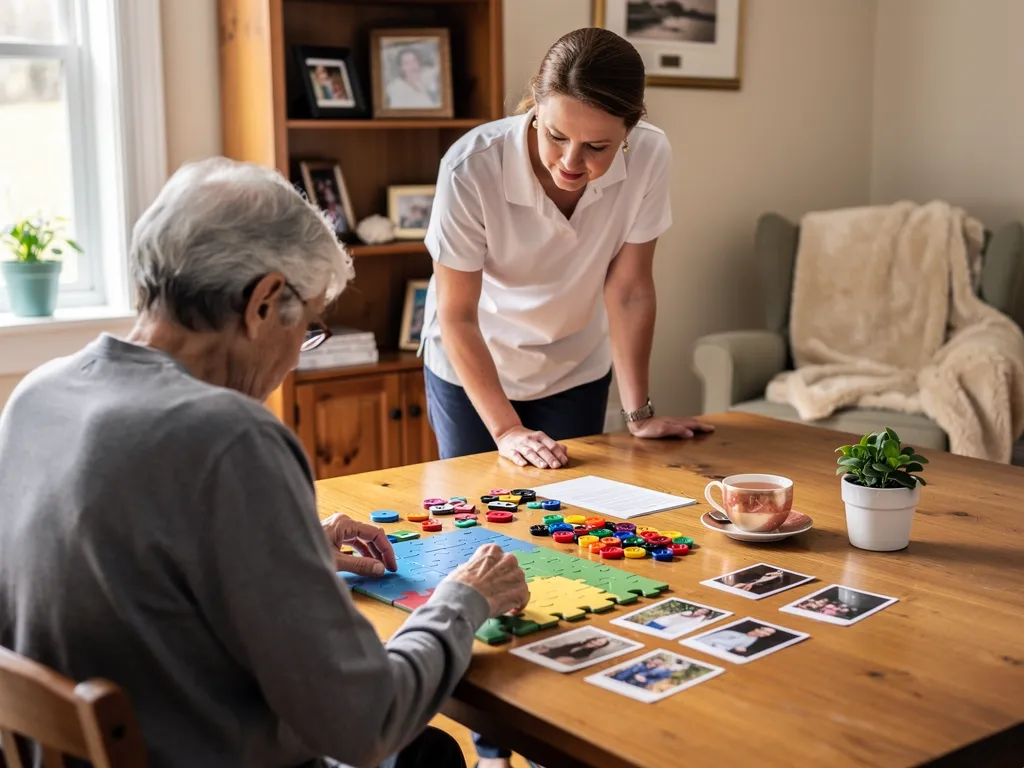
Personalization starts with observation. Caregivers assess what a senior can do independently. What requires extra support, then build recreational activities for elderly companion care around that reality. Matching an activity to current capability, rather than forcing a one-size-fits-all schedule, keeps engagement high and frustration low.
Gentle Hearts caregivers apply a simple principle: step back when a client can manage a task alone, and step in with warmth and dignity when more help is needed. A senior who still enjoys gardening independently gets the space to do so. One who needs assistance with a puzzle or a walk receives hands-on support delivered with patience, never a rigid routine.
This approach reflects a broader belief at Gentle Hearts that care should honor independence, not simply support it. Comfort level matters just as much as ability. Tailoring an activity to both factors is essential; a senior overwhelmed by noise or unfamiliar settings needs a quieter alternative, even if the underlying interest stays the same.
What if a senior can’t do the hobbies they used to enjoy?
Aging often changes how a hobby looks, not whether it can be enjoyed at all. A senior who once played competitive tennis, for instance, might now enjoy watching matches or tossing a ball from a seated position. Familiar interests can be adapted. New ones introduced, so the loss of one activity doesn’t mean the loss of engagement altogether.
Caregivers personalize activities by weighing a few key factors:
-
Physical ability and mobility level
-
Cognitive comfort and attention span
-
Past hobbies and personal interests
-
Preference for independence versus guided support
This ongoing assessment lets care evolve alongside the client, session by session.
What Social And Mental Benefits Follow?
Consistent social engagement sharpens memory, lifts mood, and lowers the risk of isolation-driven decline in older adults. Well-being for aging adults links directly to staying physically, mentally, and socially active, a connection that shapes how Gentle Hearts Home Care Agency designs every visit. Recreational activities for elderly companion care give seniors structured, low-pressure ways to stay connected without the fatigue of managing a full calendar alone.
Gentle Hearts was founded on core values of compassion, respect, and family-centered care, principles that guide caregivers during shared games, conversation, and hobbies. That foundation matters. Trust builds faster when a caregiver treats recreation as meaningful work rather than a filler task. Families across the Greater Philadelphia Metro Area rely on this approach. Companionship services extend well beyond a single neighborhood or ZIP code.
Why Does Social Interaction Matter So Much For Seniors?
Isolation quietly erodes cognitive function and emotional resilience in older adults. Regular conversation, shared activities, and companionship counteract that decline by keeping the mind active and the mood stable.
What Kinds Of Activities Support Mental Well-Being?
Caregivers can draw from thousands of activity ideas. Resources when planning stimulating recreation tailored to a loved one’s interests and abilities. Options families and caregivers might explore together include:
-
Card games, puzzles, or trivia sessions that exercise memory and focus
-
Storytelling and reminiscing about family history or past careers
-
Light crafts or music that spark creativity and conversation
-
Simple outdoor time that lifts mood and encourages movement
Each activity, paired with genuine companionship, helps seniors feel seen, valued, and less alone.
How Do You Begin With Gentle Hearts?
Families begin the process with a simple conversation at the Clifton Heights, Pennsylvania office, the local hub serving the Greater Philadelphia Metro Area. That local presence matters: adult children coordinating care from across town, or across the country, get a real point of contact rather than a distant call center. A first conversation typically covers the loved one’s daily routine, interests, and the kind of recreational activities for elderly companion care that would bring the most joy.
From there, families select the schedule that fits their situation. Support ranges widely:
-
Hourly visits for companionship, outings, or hobby time
-
Overnight assistance for added peace of mind
-
24-hour live-in care for continuous support and connection
What Happens if a Loved One Needs More Hands-On Help?
Sometimes an activity calls for more than encouragement from the sidelines. When a puzzle becomes tricky to finish alone or a walk requires steadier support, caregivers step in directly, always with warmth and dignity rather than taking over unnecessarily.
Does Gentle Hearts Respect a Senior’s Independence During Activities?
Independence sits at the center of every plan. The guiding belief driving Gentle Hearts holds that care should not merely support independence but actively honor it. That philosophy shapes the very first conversation: caregivers ask what a loved one already enjoys doing, then build companionship and recreational time around those existing strengths rather than replacing them. Starting care becomes less about handing off responsibility. More about welcoming a trusted partner into a loved one’s daily life, one thoughtful step at a time.
FAQ
Why does recreation matter for seniors in companion care?
Recreation combats isolation and inactivity, which erode mood and physical health. Gentle Hearts caregivers use structured engagement to link daily caregiving tasks with a genuinely fulfilling life for seniors.
What benefits come from regular recreational activities?
Seniors gain an emotional elevator, steadier mood, and greater independence. Caregivers honor personal preferences and routines, building a richer daily rhythm centered on companionship rather than chores alone.
How does companion care differ from task-only home help?
Companion care pairs practical support with genuine relationship-building, unlike task-only assistance that leaves emotional needs unmet. Gentle Hearts blends recreation and companionship so seniors feel less isolated and more connected.
Conclusion
In closing, recreational activities form the heart of meaningful companion care for seniors, transforming daily routines into opportunities for joy, connection, and purposeful engagement. When caregivers prioritize hobbies, social interaction, and gentle pursuits tailored to individual interests, they honor the dignity and independence of the seniors they support. At Gentle Hearts Home Care, we recognize that true companionship extends beyond assistance—it celebrates the whole person and enriches life at home.
