

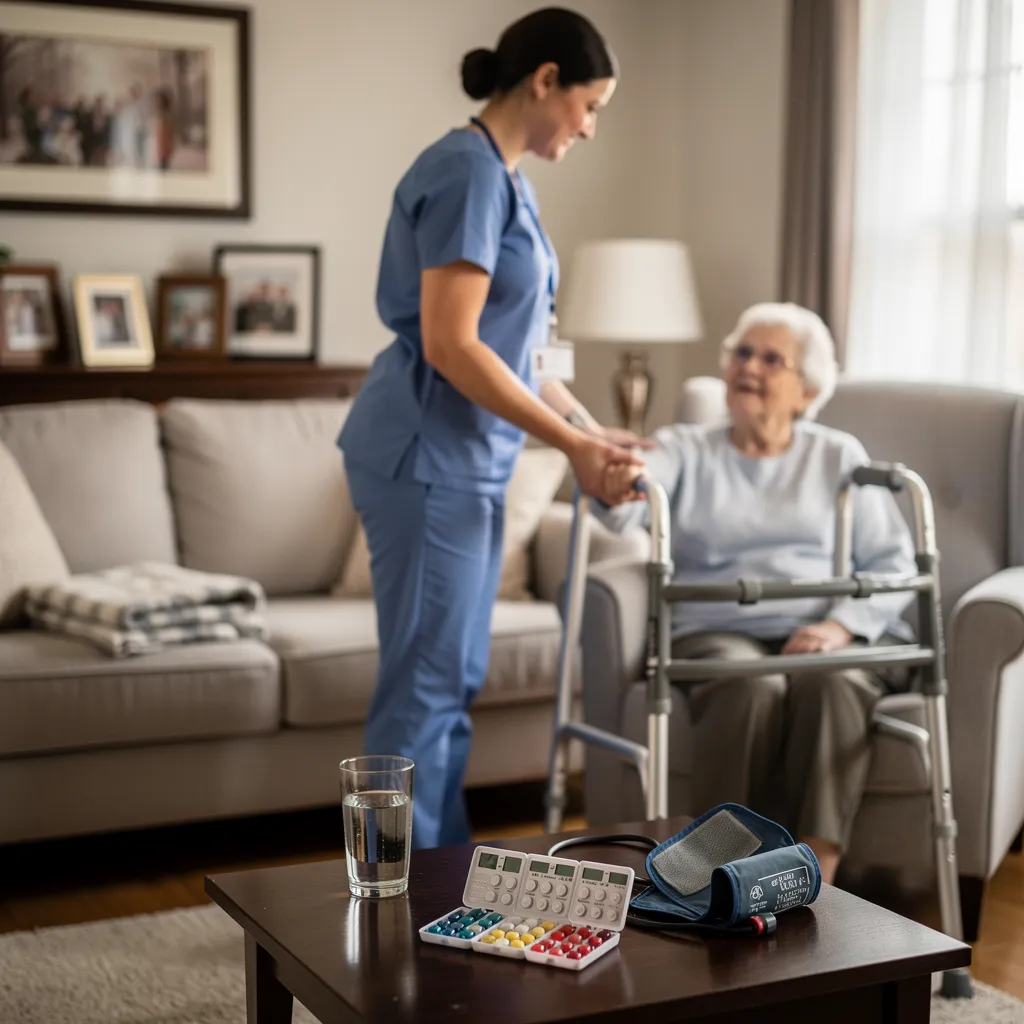
When it comes to What Qualifications and Experience Do Your Caregivers Have for Senior Home Care Services?, caregivers at Gentle Hearts Home Care in Clifton Heights, Pennsylvania, hold certifications such as Certified Nursing Assistant (CNA) or Home Health Aide (HHA) credentials, alongside training from organizations like the National Council of Certified Dementia Practitioners (NCCDP), ensuring compassionate, skilled assistance with daily tasks, mobility, and medication management for seniors.
Qualified caregivers combine hands-on training with genuine compassion, covering personal care, medication management, and coordination with healthcare professionals. Gentle Hearts Home Care selects skilled, experienced professionals serving the Greater Philadelphia Metro Area, matching each senior with a caregiver suited to their needs, whether hourly support, overnight assistance, or full-time live-in care.
What Makes a Caregiver Truly Qualified?
True qualification for a senior caregiver combines verified skill with genuine compassion, not one without the other. Families searching for answers to the question, “What Qualifications and Experience Do Your Caregivers Have for Senior Home Care Services?” often discover that credentials alone tell only part of the story. Gentle Hearts Home Care’s mission centers on connecting families with professional, skilled, and deeply compassionate caregivers who deliver unparalleled care with a gentle touch. Ghhca.Org That mission shapes every hiring decision made for families across Clifton Heights, Pennsylvania, and the wider region.
A caregiver earns trust through both demonstrated ability and genuine compassion. The senior caregiver role demands a compassionate individual ready to enhance well-being, coordinate with healthcare professionals, and manage daily tasks with consistency. Coordination matters especially when medications, appointments, and family updates all depend on clear communication.
What should families look for when evaluating a caregiver’s background?
Families deserve caregivers whose backgrounds reflect both competence and character. Strong candidates typically show:
-
A demonstrated commitment to direct, hands-on senior care
-
Comfort working alongside doctors, nurses, and healthcare teams
-
Reliability in handling daily tasks without constant oversight
-
Genuine empathy that builds trust over time
Why does compassion matter as much as training?
Skill without warmth leaves seniors feeling managed rather than cared for. Compassion transforms routine tasks into moments of dignity and connection, especially for aging parents adjusting to new support. Gentle Hearts Home Care pairs skilled assistance with heartfelt attentiveness, so families never have to choose between competence and kindness.
Rooted in Clifton Heights, Pennsylvania, Gentle Hearts Home Care serves families who want local caregivers they can trust. That local presence means caregivers understand the community and remain accessible when families need reassurance most. Qualified care, delivered with genuine warmth, gives adult children the confidence that their parent is truly in good hands.
Which Skills Matter Most For Senior Care?
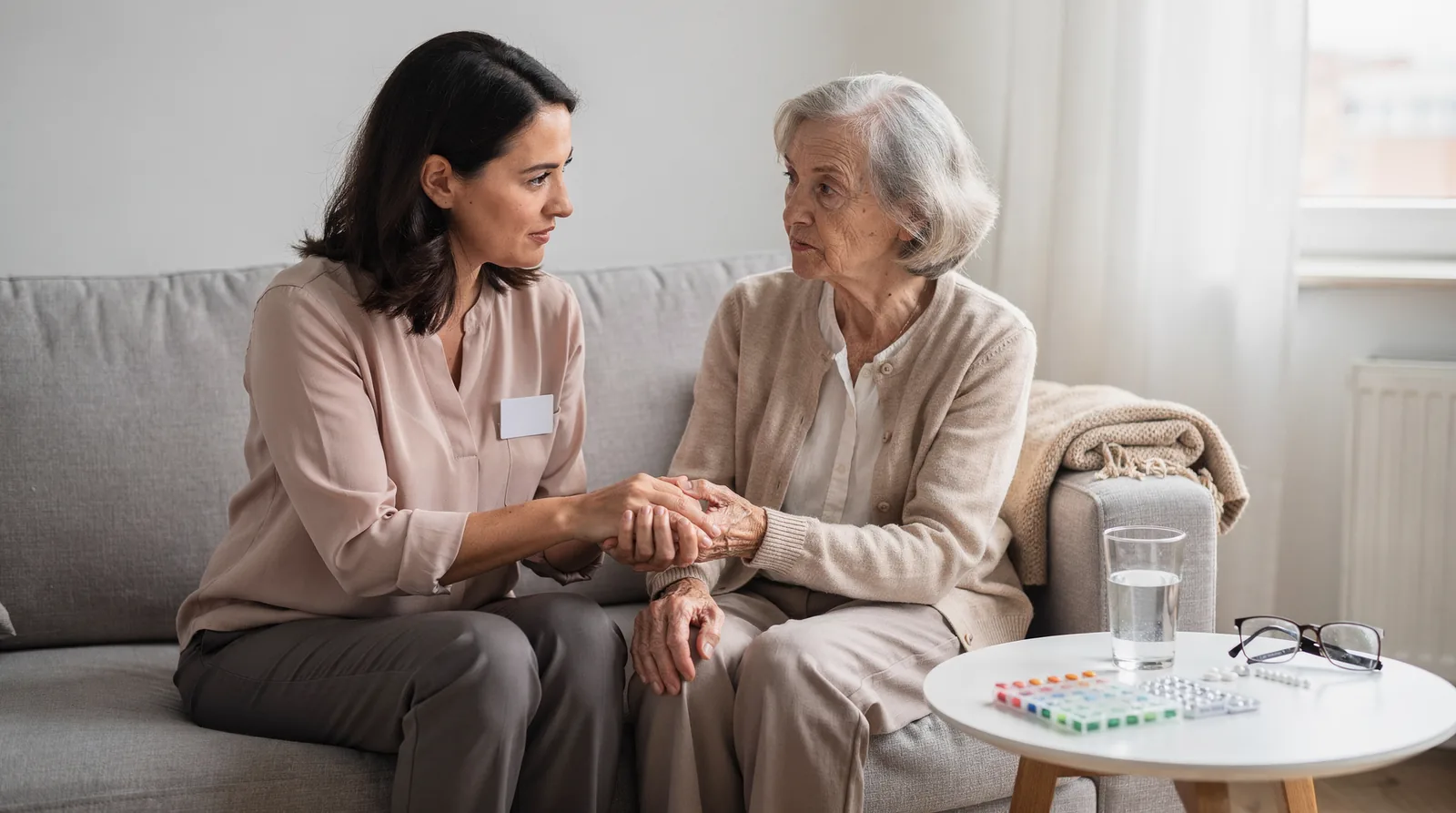
Empathy and interpersonal skill top the list for families evaluating in-home caregivers. Qualifications and experience for senior home care services rest on more than a job history. They depend on how a caregiver treats an aging parent day to day. Strong candidates build genuine rapport with older adults rather than simply completing a checklist of tasks. That distinction matters most when trust and dignity are on the line.
Gentle Hearts Home Care selects caregivers who bring exceptional interpersonal skills, deep empathy, and a natural ability to connect with seniors. Those qualities shape how care actually feels for a parent, not just how it looks on paper. Caregivers work with sensitivity and respect, paying close attention to each client’s unique strengths, preferences, and daily routines. Ghhca.Org The goal is honoring independence, not overriding it.
What Makes A Caregiver Trustworthy For An Aging Parent?
Trust grows from consistent, respectful communication with the family and with the client’s healthcare team. Caregivers who coordinate well with doctors, nurses, and relatives reduce confusion and prevent gaps in care. Families gain confidence knowing updates flow clearly between everyone involved.
Why Does Communication Matter As Much As Hands-On Care?
Communication skill often determines whether a caregiving relationship succeeds. A caregiver may handle daily tasks competently yet still fall short if updates to family members go unshared.
Key skills families should look for include:
-
Strong empathy and rapport-building with older adults
-
Clear communication with family members and healthcare professionals
-
Respect for each client’s routines and personal preferences
-
Reliability across the Greater Philadelphia Metro Area service area
Gentle Hearts stands as a trusted partner delivering exceptional, compassionate in-home care throughout that region, built on these exact skills. cite-3

What Certifications Should You Look For?
Families evaluating in-home care should look for caregivers who hold a recognized senior care certification, specialized dementia training, and a documented history with an agency that treats credentialing as a core value rather than a formality. Skipping this check exposes a parent to inconsistent care and unnecessary risk. A caregiver without proper training may miss warning signs that a certified professional would catch immediately.
Earning a senior care certification marks a turning point in a caregiver’s ability to deliver safe, informed support. Training programs sharpen skills around mobility assistance, medication reminders, and daily task supervision, giving families a clearer benchmark for competence than experience alone.
Does dementia training really matter for a caregiver?
Dementia-specific instruction matters enormously, especially for families managing memory loss at home. Organizations such as the National Council of Certified Dementia Practitioners offer structured caregiver education focused on dementia care, equipping caregivers with communication techniques and behavioral strategies suited to cognitive decline.
What should a home care agency’s training culture look like?
An agency’s training culture reveals as much as any single credential. Gentle Hearts Home Care Agency was founded on compassion, respect, and family-centered care, and that foundation shapes how its caregivers are trained and held accountable. Trust isn’t assumed; it’s built through consistent standards.
When comparing caregivers or agencies, families can ask about the following:
-
Proof of an active senior care certification
-
Documented dementia or memory-care training
-
Ongoing education tied to the agency’s core values
-
A clear process for verifying credentials before placement
Certification alone doesn’t guarantee gentleness, but paired with an agency’s family-centered mission, it offers real assurance that a loved one is in capable, caring hands.
How Do Caregivers Support Daily Independence?
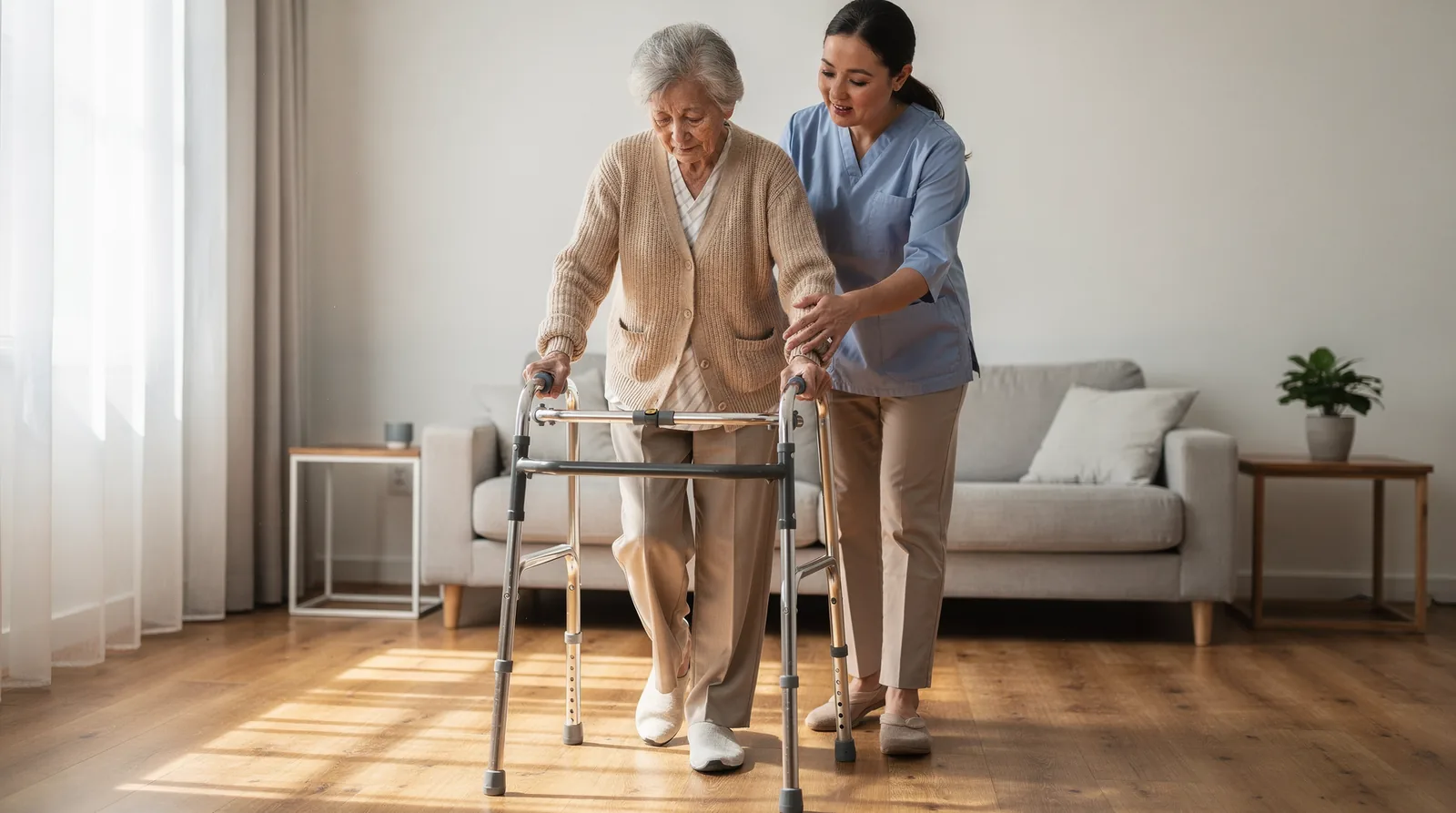
Daily independence stays intact when caregivers step back from tasks a senior can still manage alone. Gentle Hearts caregivers watch for what a client handles confidently and only add hands-on help where it’s genuinely needed. This approach protects dignity instead of replacing it with unnecessary hovering. Families lose peace of mind fast when a care provider takes over everything, even the small routines a parent still enjoys doing solo.
That balance requires real clinical awareness, not just good intentions. Caregivers assist with medication management, one of the specialized in-home care needs families worry about most, tracking doses and timing so nothing slips through the cracks. Ghhca.Org Missed or mistimed medication remains a leading cause of preventable hospital visits among older adults, which is why this task sits at the center of daily support rather than at the edges.
What does independent-focused care actually look like day to day?
It looks like a caregiver offering a steady hand at the stairs rather than doing the walking for the client. Meals still get prepared with input on preference and diet, mobility support arrives only where balance is a concern, and companionship fills the gaps that isolation would otherwise leave behind.
Why does emotional support matter as much as physical help?
Isolation erodes independence just as fast as physical decline does. Companionship and recreation keep clients engaged, motivated, and mentally sharp enough to keep doing things for themselves. Broader caregiving responsibilities echo this same range. Bathing, dressing, meal preparation, dispensing medicines, and communicating with medical staff all work together, not in isolation, to keep a senior living life on their own terms.
How Are Caregivers Matched And Vetted?
A personalized “Comfort Match” guarantee drives the vetting. Pairing process at Gentle Hearts Home Care, connecting families with caregivers chosen for genuine compatibility, not convenience. This matters because a mismatched caregiver relationship costs families more than time. It costs trust, and trust is what keeps an aging parent safe at home. The agency treats compatibility as a clinical priority, weighing personality, communication style, and daily rhythm alongside skill.
Location plays a quiet but real role in accountability. Based in Clifton Heights, Pennsylvania, Gentle Hearts serves families throughout the Greater Philadelphia area, which keeps oversight local rather than routed through a distant call center. Families dealing with an agency headquartered nearby tend to get faster answers and more direct accountability when questions arise.
What makes a caregiver trustworthy enough to hire?
Training and education separate a professional caregiver from a well-meaning volunteer. Paid caregivers typically carry formal training and education in care delivery, unlike unpaid family caregivers who often learn by necessity. Families evaluating any home care option should ask directly about a candidate’s education and background before care begins.
Gentle Hearts positions itself as a trusted partner for families seeking exceptional, compassionate in-home care, and that trust is meant to be verified, not assumed. cite-3 A responsible next step includes:
-
Asking about the specific matching criteria used for compatibility
-
Requesting details on caregiver training and background verification
-
Confirming local supervision and response times for concerns
Families deserve clarity before someone new enters their parent’s home.
At Gentle Hearts Home Care, we understand that entrusting your loved one’s care to another person represents one of life’s most significant decisions. Our caregivers bring the professional qualifications, hands-on experience, and genuine compassion necessary to provide dignified, skilled support within the comfort of home. When you choose our team, you invest in peace of mind, knowing that your family member receives care from individuals who are both thoroughly prepared and deeply committed to their well-being.
FAQ
What certifications do Gentle Hearts caregivers hold?
Caregivers hold CNA or HHA credentials, plus specialized training from organizations like the National Council of Certified Dementia Practitioners, ensuring skilled support with daily tasks, mobility, and medication management.
Do qualified caregivers only need technical skills?
No, true qualification combines verified skill with genuine compassion. Gentle Hearts Home Care pairs hands-on training with heartfelt attentiveness, so seniors receive dignity and connection alongside competent care.
What should families check before choosing a caregiver?
Families should look for hands-on senior care experience, comfort coordinating with healthcare teams, reliability without constant oversight, and genuine empathy that builds lasting trust.
Conclusion
Choosing a caregiver for an aging parent means weighing more than a résumé. It means finding someone whose training, certifications, and daily habits reflect genuine respect for a senior’s independence and dignity. Gentle Hearts Home Care brings together CNA and HHA credentials, specialized dementia training, and a careful “Comfort Match” process to pair each family with a caregiver suited to their needs, whether that’s a few hours of weekly support or full-time live-in care.
For families across Clifton Heights and the Greater Philadelphia Metro Area, that combination of verified skill and heartfelt attentiveness is what turns a caregiving arrangement into real peace of mind. Qualifications matter, but so does the person behind them, and Gentle Hearts Home Care is built to deliver both.
