

When it comes to How Does Personalized Care at Gentle Hearts Differ From Standard Companion Care Services?, personalized care plans deliver hands-on assistance with daily activities like meal preparation and medication management. Companion care from Gentle Hearts Home Care emphasizes social engagement and emotional connection. Families across Clifton Heights and the Greater Philadelphia Metro Area choose between the two based on physical needs versus emotional wellbeing, or combine both for comprehensive support.
What’s the Real Difference Between Companion and Personal Care?
Companion care and personal care represent two distinct categories of non-medical in-home support, each built around different daily needs. One centers on connection and supervision; the other centers on hands-on physical assistance. Confusing the two often leads families toward a service that doesn’t match what their aging parent actually requires.
Personal care assists older adults with activities of daily living (ADLs). The essential tasks a person cannot safely live without. These include eating, bathing, toileting, walking, and dressing. A parent who struggles to shower alone or needs help getting dressed each morning typically needs this level of hands-on support, not just companionship.
Companion care, by contrast, focuses on presence, conversation, and light oversight rather than physical assistance. Selecting the right fit matters: families who understand the difference between these two services can match a loved one with support that actually addresses the risk in front of them, whether that risk is isolation or unsafe mobility.
| Service Type | Primary Focus | Typical Support |
|---|---|---|
| Companion Care | Social and emotional connection | Conversation, supervision, engagement |
| Personal Care | Hands-on physical assistance | Bathing, dressing, toileting, mobility |
Does a Family Have to Choose Just One?
Not necessarily. Many aging parents need a blend of both as needs shift over time. Gentle Hearts connects families with caregivers offering hourly support, overnight assistance, or 24-hour live-in care, so the level of help can scale as circumstances change.
How Should Families Decide Which One Fits?
Start by observing daily routines closely. A parent managing ADLs independently but growing lonely likely needs companionship first. One struggling with basic self-care needs personal care without delay.
How Does Companion Care Support Everyday Connection?
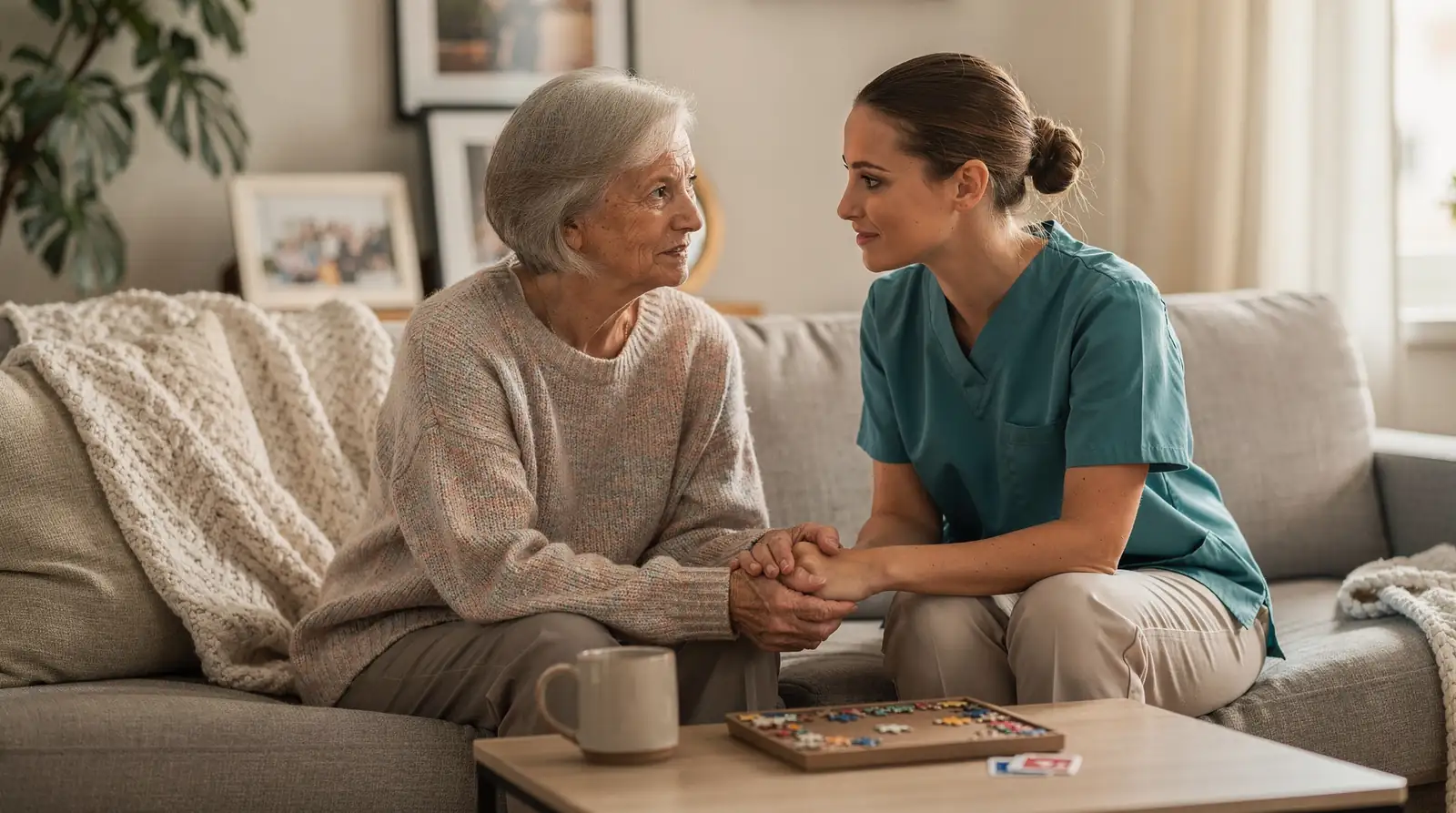
Companion care gives older adults a familiar, trusted presence to rely on when family members cannot be there. This steady relationship reduces isolation and builds emotional security into daily life. For families in Clifton Heights and across the Philadelphia area, that presence often matters as much as any task on a checklist.
Gentle Hearts Home Care structures this support around genuine connection rather than a rigid task list. So the question “How Does Personalized Care at Gentle Hearts Differ From Standard Companion Care Services?” starts with a simple answer: companionship comes first, and practical help follows naturally from that relationship. Companion care suits seniors who remain largely independent but benefit from social engagement, conversation, and a familiar face throughout the week.
Gentle Hearts weaves companionship into a broader circle of daily support, including:
- Companionship and recreation — shared activities, conversation, and hobbies that keep seniors engaged
- Light housekeeping and domestic duties — tidying, laundry, and small chores that keep the home comfortable
- Regular visits from a consistent caregiver, building familiarity over time
- Encouragement toward activities the senior already enjoys, rather than imposed routines
What does a companion caregiver actually do during a visit?
A companion caregiver spends time talking, sharing meals, playing games, or accompanying a senior on a short outing. Visits often include light tidying or help with small household tasks alongside the social interaction. The goal stays consistent: a familiar face, steady company, and a sense of routine.
Is companion care only for social needs?
Social support remains the core focus, but companion care often extends into the home environment through light housekeeping. This combination helps seniors maintain a comfortable, orderly living space without sacrificing the human connection that keeps daily life meaningful.
How Does Personalized Care Build on Companion Care?
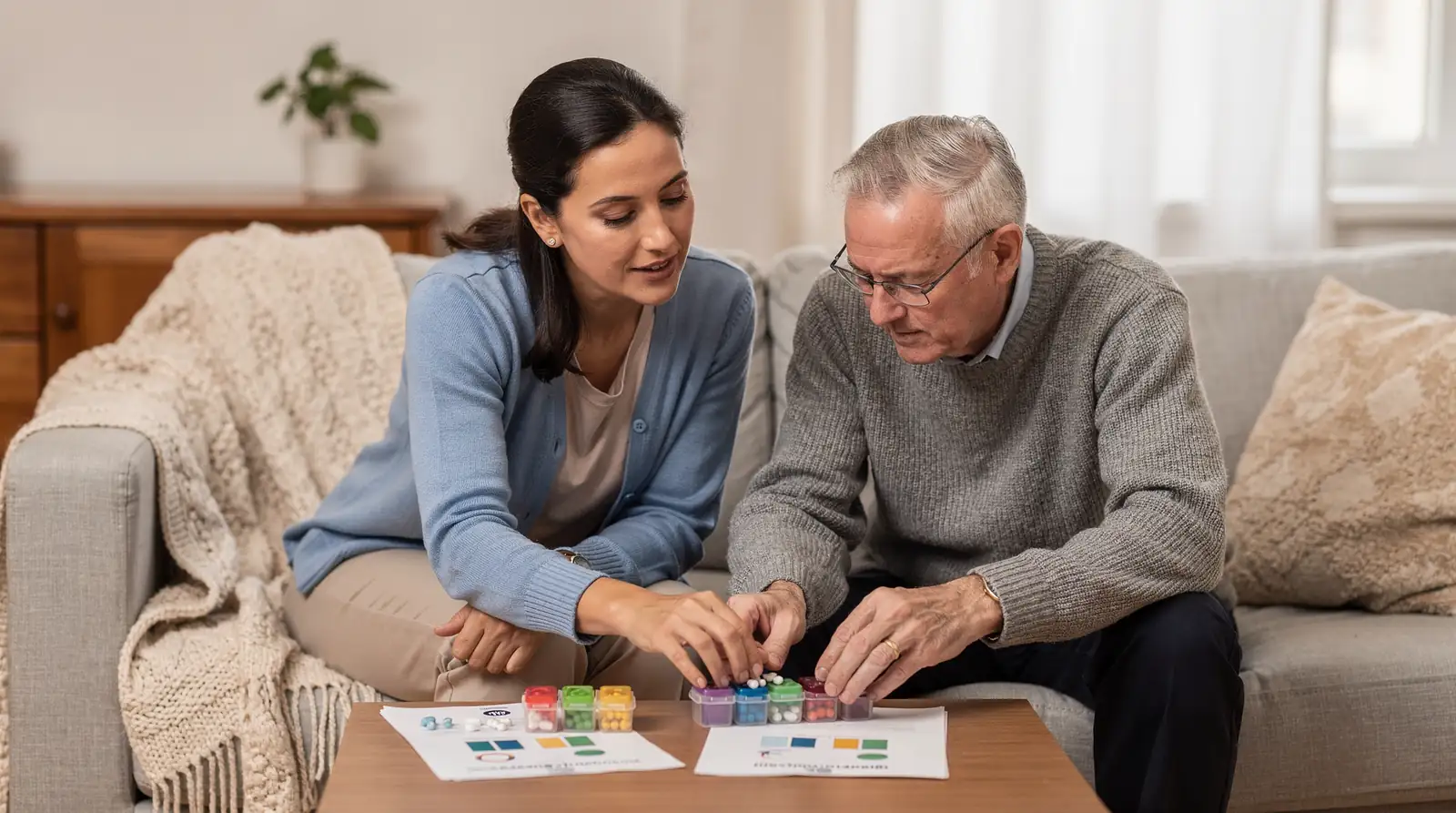
Personalized care at Gentle Hearts starts where companion visits leave off, adding depth without stripping away a client’s autonomy. Standard companionship offers conversation and a friendly presence; personalized care that differs from standard companion care services goes further by tailoring support to each person’s actual daily rhythm. The goal is never to take over a task an older adult can still manage alone.
Independence remains the foundation of this approach. Gentle Hearts designs care plans to honor a client’s abilities rather than replace them, stepping back whenever a task can still be handled solo. Support only expands when it’s genuinely needed.
Caregivers pay close attention to the small details that make a person who they are. Preferences, routines, and personal strengths shape how each visit unfolds, so care feels less like a service and more like a partnership built on respect.
What happens when a client needs more hands-on help?
Some days call for more than encouragement. When guidance or physical assistance becomes necessary, caregivers step in with warmth and dignity, never rushing or diminishing the client’s sense of control. The shift from companionship to hands-on support happens smoothly, without judgment or a loss of comfort.
Why does personalized care feel different from a typical companion visit?
A standard companion visit centers on social connection alone. Personalized care, by contrast, gives clients undivided attention and support shaped around their specific needs, not a general routine.
| Companion Care | Personalized Care |
|---|---|
| Social and emotional focus | Tailored to individual routines and strengths |
| Consistent, friendly presence | Undivided, individualized attention |
| Light support for daily activities | Hands-on help introduced only as needed |
For families in Clifton Heights weighing options for an aging parent, this distinction matters. Personalized care adapts as needs change, offering reassurance that support will always match the moment, not a fixed script.
Which Option Fits Your Loved One’s Needs?

The right choice depends on one core question: does a parent need help with daily physical tasks, or mainly companionship and social connection? Families in Clifton Heights and across Greater Philadelphia often start with this distinction before selecting a care plan. Gentle Hearts Home Care structures its services around this same divide. Families are not left guessing which level of support fits.
For a loved one managing daily living tasks like bathing, dressing, or mobility, personal care and assistance provides direct, hands-on help. This level of support suits parents whose safety or hygiene routines have become harder to manage alone. When daily oversight is a concern, medication management adds another layer of protection, helping ensure doses are tracked and taken correctly. Together, these services support clients whose needs go beyond simple companionship.
Does a Parent Just Need Someone Around for Company?
Sometimes the greater risk is isolation, not physical decline. Companion care addresses that gap through conversation, shared activities, and emotional support rather than hands-on assistance.
What if My Parent Needs a Bit of Both?
Many families find their loved one needs support in more than one area. Gentle Hearts offers services that bridge both worlds, including:
- Personal care and assistance for hands-on daily needs
- Medication management for closer daily oversight
- Transportation and errands to preserve mobility and independence outside the home
This flexibility means families rarely have to choose just one path.
How Does Gentle Hearts Match Caregivers to Families?
Gentle Hearts pairs each family with a caregiver through a personalized Comfort Match approach, built to align skills, personality, and daily routines. Families in Clifton Heights and across the Greater Philadelphia Metro Area work with the agency to find someone who fits, not just someone who’s available. That distinction matters when a stranger will spend hours inside a parent’s home.
Matching starts with listening. Caregivers aren’t assigned at random. The agency considers a client’s temperament, communication style, and specific support needs before making an introduction. This process reflects the company’s founding values of compassion, respect, and family-centered care, which shape every decision from intake through ongoing support.
What makes the Comfort Match approach different?
The Comfort Match model goes beyond scheduling logistics. It focuses on compatibility. A client and caregiver can build genuine trust over time rather than simply tolerating each other’s presence.
Families can expect the matching process to weigh factors such as:
- Personality and communication style, so conversations feel natural rather than forced
- Daily routines and preferences, respecting how a client already likes to live
- Skill level required, from companionship-focused visits to more hands-on assistance
Why does caregiver fit matter for aging parents?
Poor fit often leads to families cycling through multiple caregivers, which disrupts a senior’s sense of security. A consistent, well-matched caregiver builds familiarity and calm, easing anxiety for both the client and the adult children coordinating care from a distance. Gentle Hearts’ mission centers on connecting families with professional, skilled caregivers capable of delivering unparalleled care, and that mission depends on getting the match right from the start.
FAQ
What is the main difference between personalized care and companion care?
Personalized care provides hands-on assistance with daily activities like meal preparation and medication management. Companion care focuses on social engagement and emotional connection. Gentle Hearts Home Care in Clifton Heights offers both based on physical versus emotional needs.
Can families combine personal care and companion care?
Yes, many aging parents need a blend of both as their needs shift over time. Gentle Hearts offers hourly support, overnight assistance, or 24-hour live-in care, allowing help to scale with changing circumstances.
How do families know which type of care their loved one needs?
Families should observe daily routines: a parent managing daily activities independently but feeling lonely likely needs companionship. One struggling with basic self-care tasks like bathing or dressing needs personal care without delay.
Conclusion
In closing, both personalized care and companion care serve distinct yet equally valuable roles in supporting your loved one’s well-being at home. The choice between them reflects your family’s unique circumstances, care needs, and priorities for maintaining independence and quality of life. Gentle Hearts Home Care remains committed to helping you navigate these options with compassion. Clarity, ensuring your loved one receives the thoughtful, professional support they deserve.
