
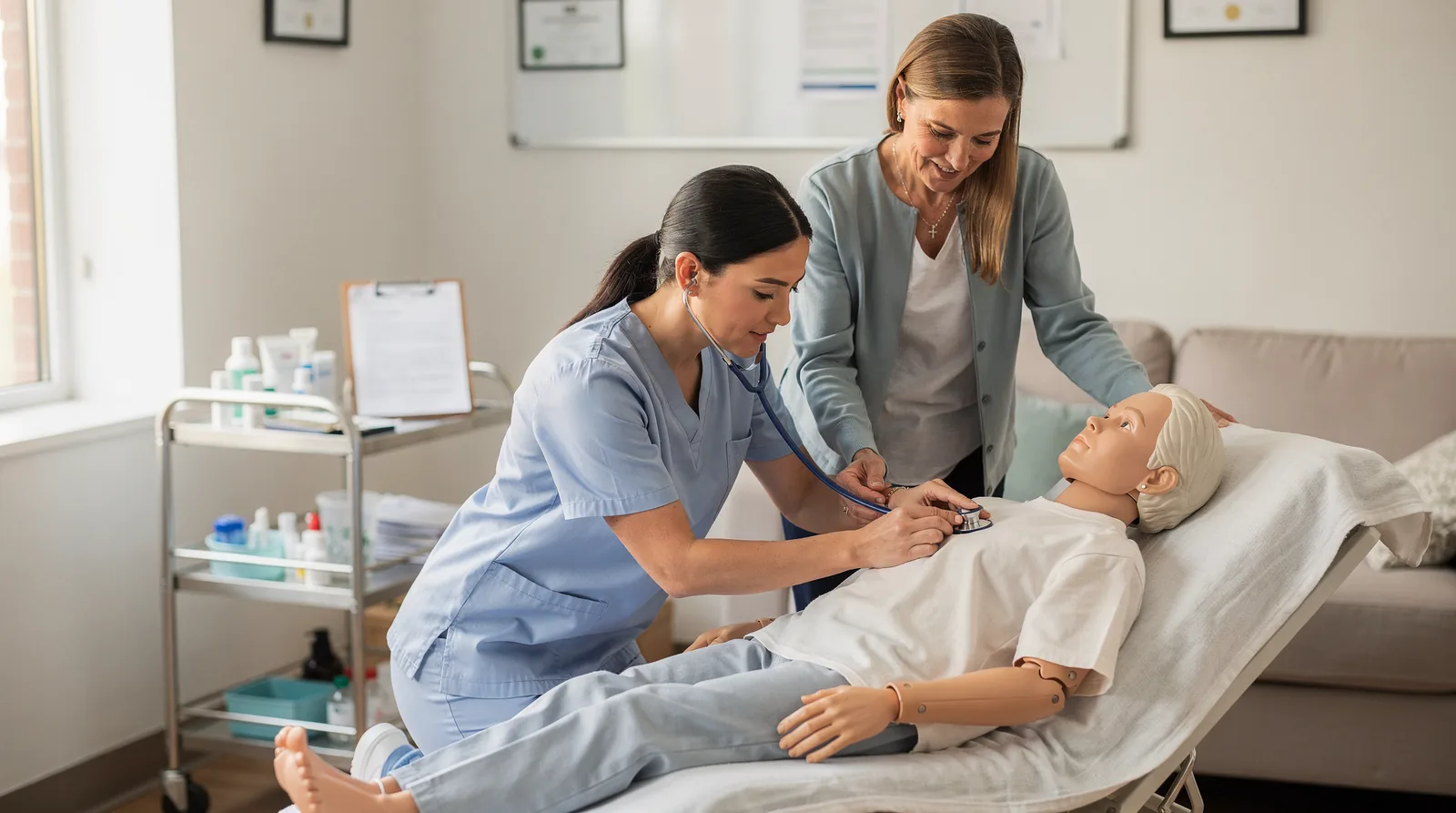
Gentle Hearts Home Care caregivers complete rigorous background checks and skills assessments before assignment. The agency requires professional training in medication management, personal care, and dementia support. Every caregiver demonstrates competency in meal preparation, light housekeeping, and companionship. This thorough vetting ensures families receive reliable, compassionate care that promotes independence and safety at home.
What qualifications do home caregivers need?

Professional caregivers must meet specific training and certification standards set by state regulations. Pennsylvania Department of Health regulations establish specific training and certification standards for home care professionals. Additional specialized training becomes necessary depending on the type of care provided.
Training requirements vary significantly by agency type and care level. A home health aide at a Medicare or Medicaid-certified agency needs at least 75 hours of training, plus a competency evaluation. Licensed-only agencies require 40 hours of training or successful passage of an agency-administered competency test. These distinctions matter for families evaluating caregiver credentials.
Gentle Hearts Home Care connects families with professional, skilled, and deeply compassionate caregivers. The company’s mission emphasizes delivering unparalleled care through thoroughly vetted professionals. Families seeking detailed information about these standards can review the caregiver qualifications and training requirements that govern home health services.
What training do home health aides need in Pennsylvania?
Pennsylvania maintains regulatory standards for home health aide qualifications. Medicare and Medicaid-certified agencies demand 75 hours of training. Licensed-only agencies accept 40 hours or a passing competency score. These standards ensure aides possess foundational skills before entering a client’s home.
How does caregiver training differ by agency type?
The distinction hinges on federal versus state oversight. Federally certified agencies follow the 75-hour standard. State-licensed agencies operate under the 40-hour or competency-test pathway. Families should verify which category applies when selecting a care provider.
What training do Gentle Hearts caregivers complete
What training do Gentle Hearts caregivers complete?
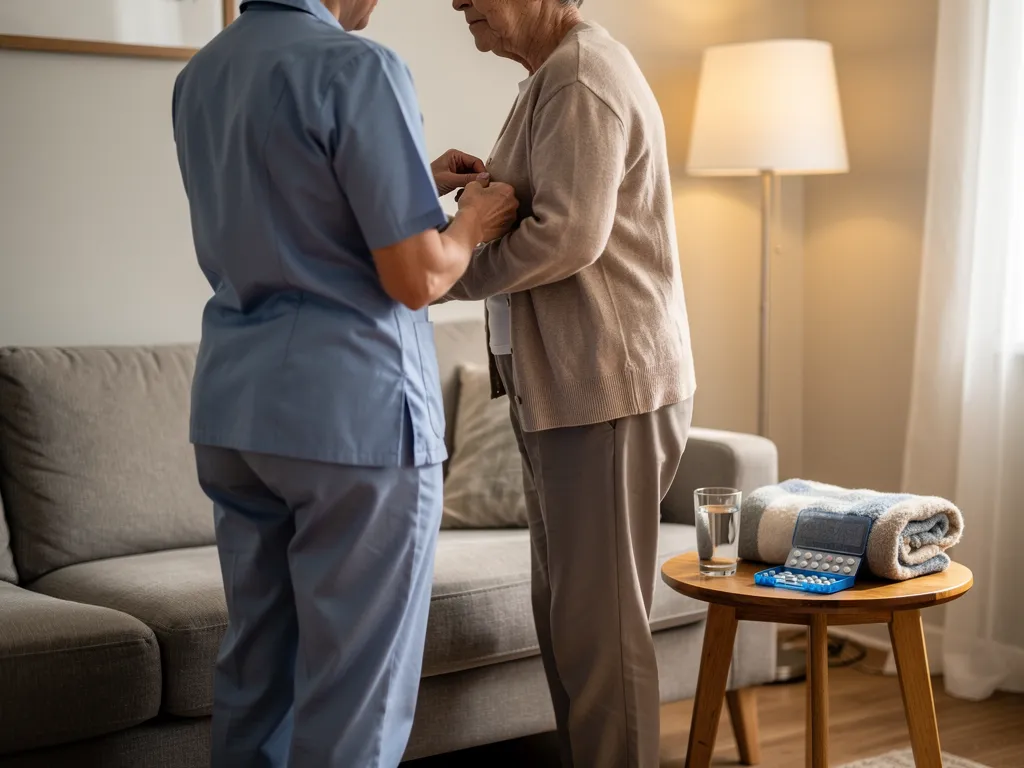
Gentle Hearts caregivers complete specialized training focused on preserving client independence and dignity. The agency’s approach centers on supporting each individual’s unique strengths rather than simply performing tasks for them.
Caregivers learn to work with sensitivity, respect, and attention to each client’s preferences and daily routines. When a client can complete a task independently, the caregiver provides quiet support. When hands-on help becomes necessary, the caregiver steps in with warmth and discretion. This philosophy shapes every training module the agency delivers.
What core skills do Gentle Hearts caregivers develop?
Training covers the full range of in-home support services. Caregivers develop competency in meal preparation and diet planning, medication management, transportation and errands, and personal care and assistance. The curriculum also includes companionship techniques, light housekeeping protocols, and recreational engagement strategies. Each skill area emphasizes safety while protecting the client’s sense of autonomy.
Does the training address memory-related conditions?
Yes. Gentle Hearts ensures caregivers understand the complexities of cognitive decline. Pennsylvania mandates that all covered providers complete statewide Alzheimer’s disease and related dementia training, with a compliance deadline set by state regulations. The agency’s program meets these requirements while going further. Caregivers learn to recognize behavioral triggers, communicate effectively during moments of confusion, and create calming environments that reduce agitation.
The agency’s commitment to rigorous preparation reflects its founding values. Built on core principles of compassion, respect, and family-centered care, Gentle Hearts built its reputation on trusted caregiver quality through thorough vetting and ongoing education. Families gain confidence knowing each caregiver has mastered both technical skills and the gentle, responsive approach that defines meaningful in-home support.
How does Gentle Hearts vet its caregivers?
Gentle Hearts Homecare Agency, LLC. screens every caregiver through a structured, multi-step process. The agency’s personalized Comfort Match guarantee ensures caregiver compatibility and peace of mind for families. Without thorough vetting, families risk mismatched personalities, inconsistent care routines, and the emotional toll of repeated caregiver transitions.
The vetting process evaluates three core dimensions: professional qualifications, practical care skills, and interpersonal compatibility. Each dimension receives equal weight during assessment.
What is the Comfort Match guarantee?
The Comfort Match guarantee pairs caregivers with clients based on shared temperament, communication style, and daily routine preferences. Gentle Hearts matches caregivers for compatibility while supporting independence around the clock in the Greater Philadelphia area, adhering to Pennsylvania home care agency standards and federal guidelines. This approach reduces friction during the critical first weeks of care. A poor match often leads to client resistance and caregiver burnout.
How does the agency verify caregiver qualifications?
Verification depends on the caregiver’s professional background. Professional caregivers follow distinct qualification paths. Family caregivers provide assistance based on personal relationships with the care recipient. Volunteer and independent caregivers bring different training histories that require individualized review. The agency confirms credentials appropriate to each caregiver’s classification before any placement begins.
What care options does Gentle Hearts support?
Gentle Hearts serves the Greater Philadelphia Metro Area with three service tiers. Hourly support covers scheduled visits for meal preparation, medication reminders, and companionship. Overnight assistance provides safety monitoring and personal care during nighttime hours. Twenty-four-hour live-in care delivers continuous support for clients with advanced needs. Each tier demands specific caregiver competencies verified during the vetting process.
The agency’s trusted caregiver experience combines skill verification with the Comfort Match system. Families receive a caregiver whose qualifications and personality align with their loved one’s needs. This dual focus on competence and compatibility distinguishes the agency’s approach to in-home care staffing.
What makes a caregiver qualified for home care?
A qualified home care professional demonstrates competence through verified training hours or a passing score on a competency evaluation. Pennsylvania sets distinct standards depending on the care setting and the services provided. A home health aide at a Medicare or Medicaid certified agency must complete at least 75 hours of training, according to the state’s regulatory requirements. For a licensed-only agency, the threshold drops to 40 hours of training or successful passage of an agency-administered competency test. These benchmarks confirm that a caregiver possesses the foundational skills to support a client safely.
What training standards apply to different types of caregivers?
Pennsylvania law creates a tiered system. Home health aides in federally certified programs face the highest bar. Those in licensed-only settings meet a lower hour requirement. Homemaker and companion services carry no state-mandated training hour minimum. However, all covered providers must satisfy the statewide Alzheimer’s disease and related dementia training requirements.
How does competency testing work for home care?
A competency evaluation measures practical ability. An agency administers the test to verify that a caregiver can perform essential tasks correctly. This process offers an alternative pathway to the 40-hour training requirement in licensed-only settings. It ensures skill verification without mandating a fixed classroom schedule.
Gentle Hearts Home Care builds on these regulatory foundations with a philosophy that prioritizes client dignity. The company’s caregivers support tasks a client can complete independently. They step in with warmth and discretion only when additional guidance or hands-on help becomes necessary. This approach honors personal strengths and preserves autonomy. The agency’s mission connects families with professional, skilled, and deeply compassionate caregivers. Each team member delivers care with the gentle touch that every client deserves. Complying with caregiver training standards builds trust, enhances care quality, and protects agencies from penalties, as noted by Pennsylvania’s caregiver qualification requirements. Families gain peace of mind knowing that qualifications and training are verified and that care is delivered with respect for the individual’s daily routines and preferences.
How can families verify caregiver qualifications?
Families can verify caregiver qualifications by requesting documentation of training hours, competency evaluations, and specialized certifications. Pennsylvania law sets clear standards that make verification straightforward. Per state caregiver training requirements, home health aides at Medicare/Medicaid-certified agencies must meet a federal 75-hour training and competency standard. Aides at licensed-only agencies need 40 hours of training or a passing competency test, or CNA licensure.
What qualifications and training do Gentle Hearts caregivers have to provide in-home care? Gentle Hearts Home Care, located in Clifton Heights, Pennsylvania, serves the Greater Philadelphia area with a Comfort Match guarantee. This guarantee ensures caregivers are vetted for compatibility and trust before placement. Families gain peace of mind knowing each match reflects both skill and personal fit.
What documents should families request?
Families should request three types of records:
-
Training hour logs showing completed coursework
-
Competency evaluation results
-
Specialized certifications, including Alzheimer’s and dementia training
Agencies can track these records systematically. CareSmartz360 documentation shows how agencies monitor training hours, certification renewals, and compliance records for audit readiness. Families benefit from asking whether the agency maintains such tracking systems.
How does the Comfort Match process work?
The Comfort Match guarantee pairs clients with caregivers based on compatibility and trust. Gentle Hearts evaluates caregiver skills alongside client preferences and daily routines. This dual focus on competence and personal connection reduces the risk of a poor fit. Families can ask to review the matching criteria before care begins.
FAQ
What qualifications do Gentle Hearts Home Care caregivers have?
Gentle Hearts caregivers complete rigorous background checks, skills assessments, and professional training in medication management, personal care, and dementia support.
What training do Gentle Hearts caregivers complete?
Caregivers complete specialized training focused on preserving client independence and dignity, covering meal preparation, medication management, personal care, and companionship techniques.
How does caregiver training differ by agency type?
Federally certified agencies require 75 hours of training, while licensed-only agencies accept 40 hours or a passing competency test.
Conclusion
Families who understand these training standards hold the power to choose a home care partner that meets every requirement with transparency. Verifying caregiver qualifications transforms a decision from guesswork into confidence, ensuring your loved one receives skilled support delivered with the gentle touch and dignity they deserve.